
Table of Contents
- Snowboard Diagram
- Top 2026 Snowboards: All Mountain, Freestyle, Freeride, Powder, & Park
- Snowboard Size Guide: Find the Right Length
- Choosing the Right Snowboard Width
- Men’s vs. Women’s Snowboards: What’s the Difference?
- How to Choose the Right Snowboard Size for Kids
- Types of Snowboard Shapes and How They Affect Riding
- Snowboard Profiles: Camber, Rocker, and More
- How Stiff Should My Snowboard Be?
- What Are the Different Snowboard Base Materials?
- How Does Snowboard Sidecut Affect Your Ride?
- What are Snowboard Edge Technologies?
- Snowboard Cores and Internal Construction
- Find Your New Favorite Snowboard at Sun & Ski Sports
There’s nothing like that first day back on the mountain when everything clicks and your brain-to-board connection feels electric. Every turn, slash, and weight shift flows without thinking, and suddenly you’re in perfect rhythm with the terrain and the snowboard under your feet. Maybe you’re floating through untouched powder, dialing in new tricks in the park, or laying down clean carves that lock edge to edge. However you ride, the right snowboard fuels your confidence, amps up your control, and takes your fun to the next level. With so many shapes, sizes, and technologies out there, finding the perfect snowboard can feel overwhelming – but we’re here to help!
Our Outdoor Experts created this ultimate buying guide to help you choose the best snowboard for your build, riding style, and personal preferences. Inside, you will find tips on sizing, get insights into different snowboard shapes and profiles, and a breakdown of construction methods. All of this info will help you make the right choice and maximize your time on the mountain!
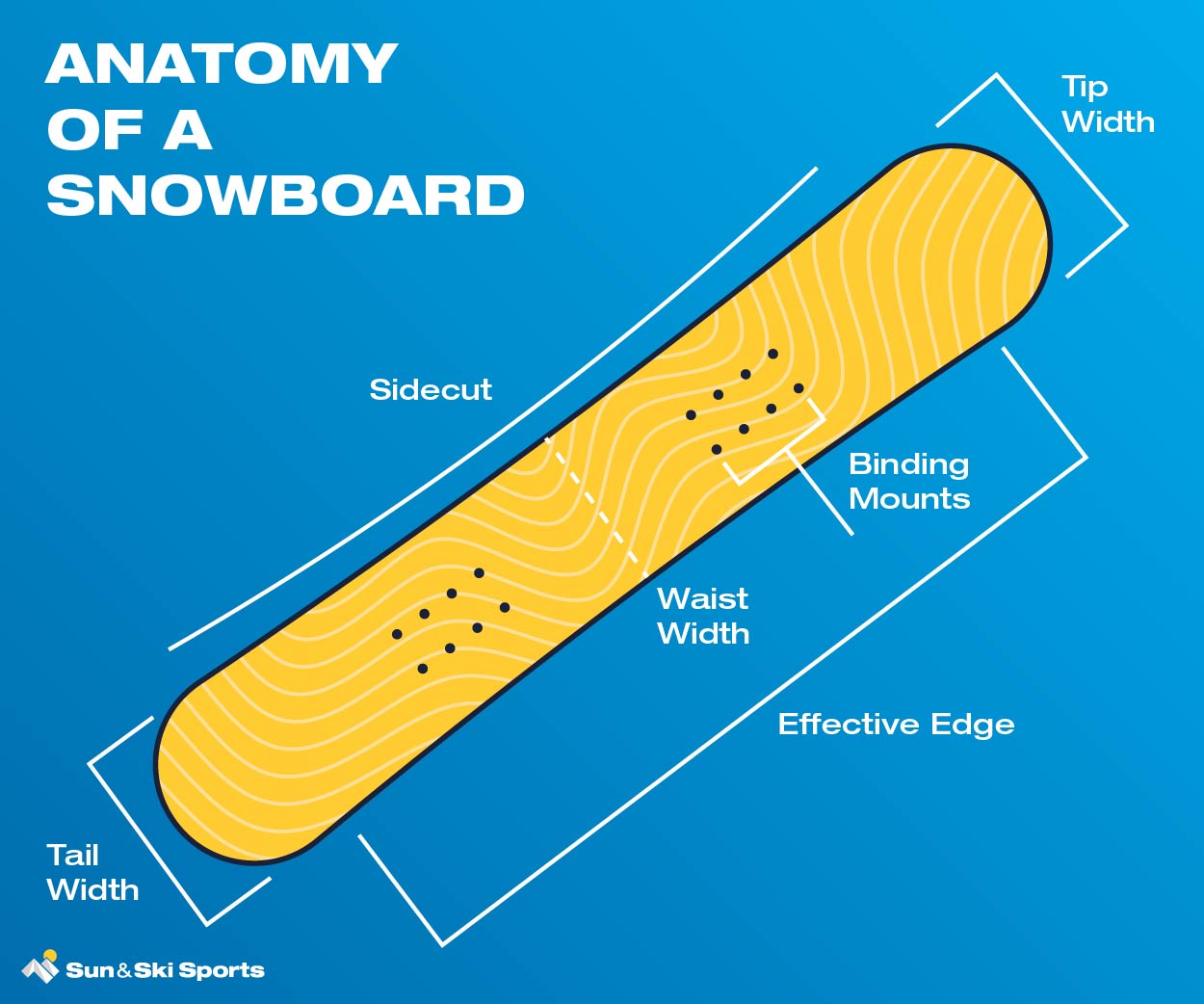
Snowboard Diagram
Top 2026 Snowboards: All Mountain, Freestyle, Freeride, Powder, & Park
All Mountain Snowboards
All-mountain snowboards are the most versatile type of snowboard, built to handle nearly every terrain and snow condition. If you like carving down groomed runs, floating through fresh powder, cruising park laps, or riding soft spring slush, these boards are designed to do it all.
If you’re the kind of rider who wants to explore the entire resort without switching gear, an all-mountain snowboard is the perfect choice. They’re also ideal for beginner and intermediate snowboarders who are still discovering their riding style, since all-mountain boards provide a balanced mix of stability, flexibility, and control.
Best for: Riders who want one snowboard that can tackle the whole mountain.
Tradeoffs: Jack-of-all-trades, master of none: great at everything, but not specialized for one specific style.
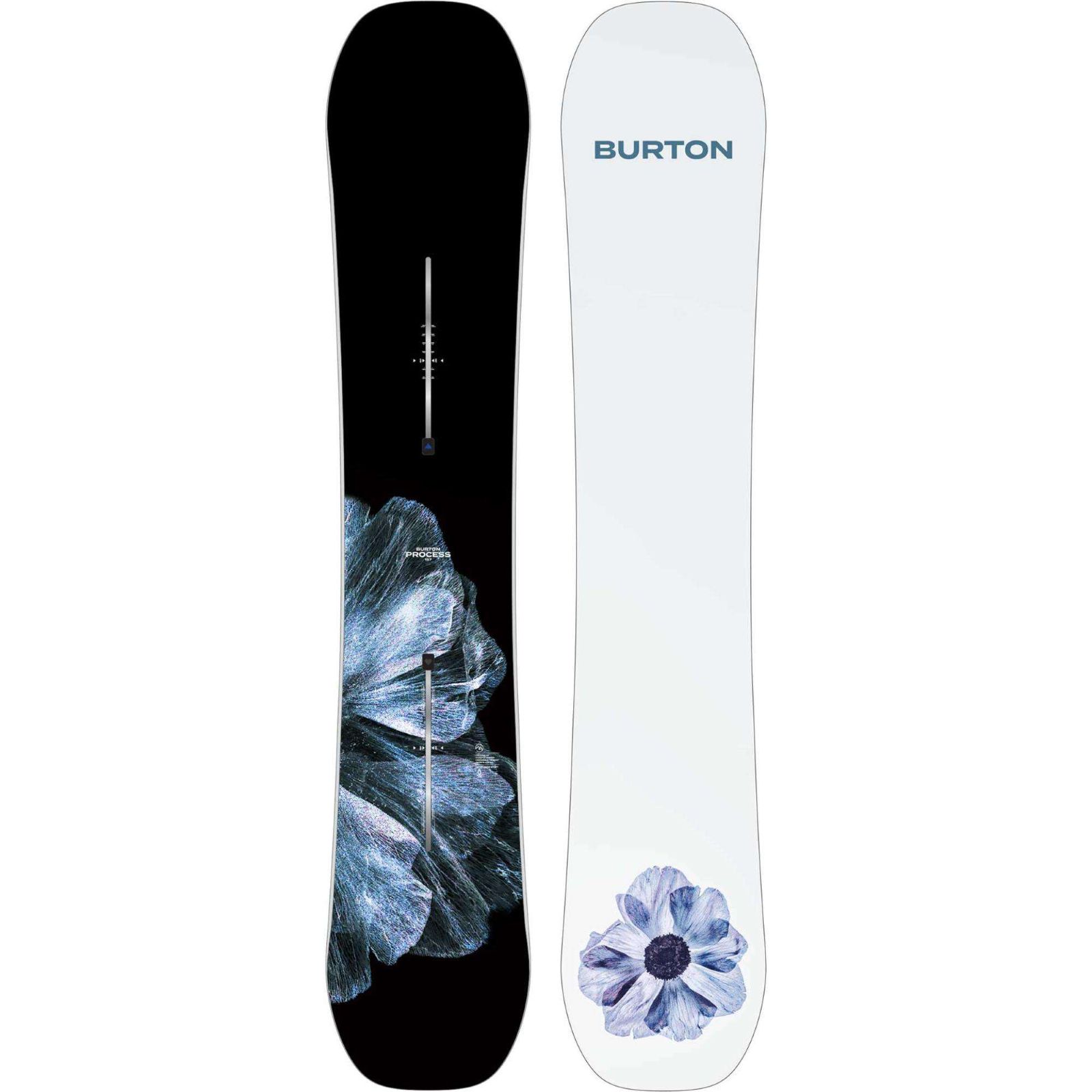 Men’s Best All Mountain Snowboard:
Burton Process Camber $549.95
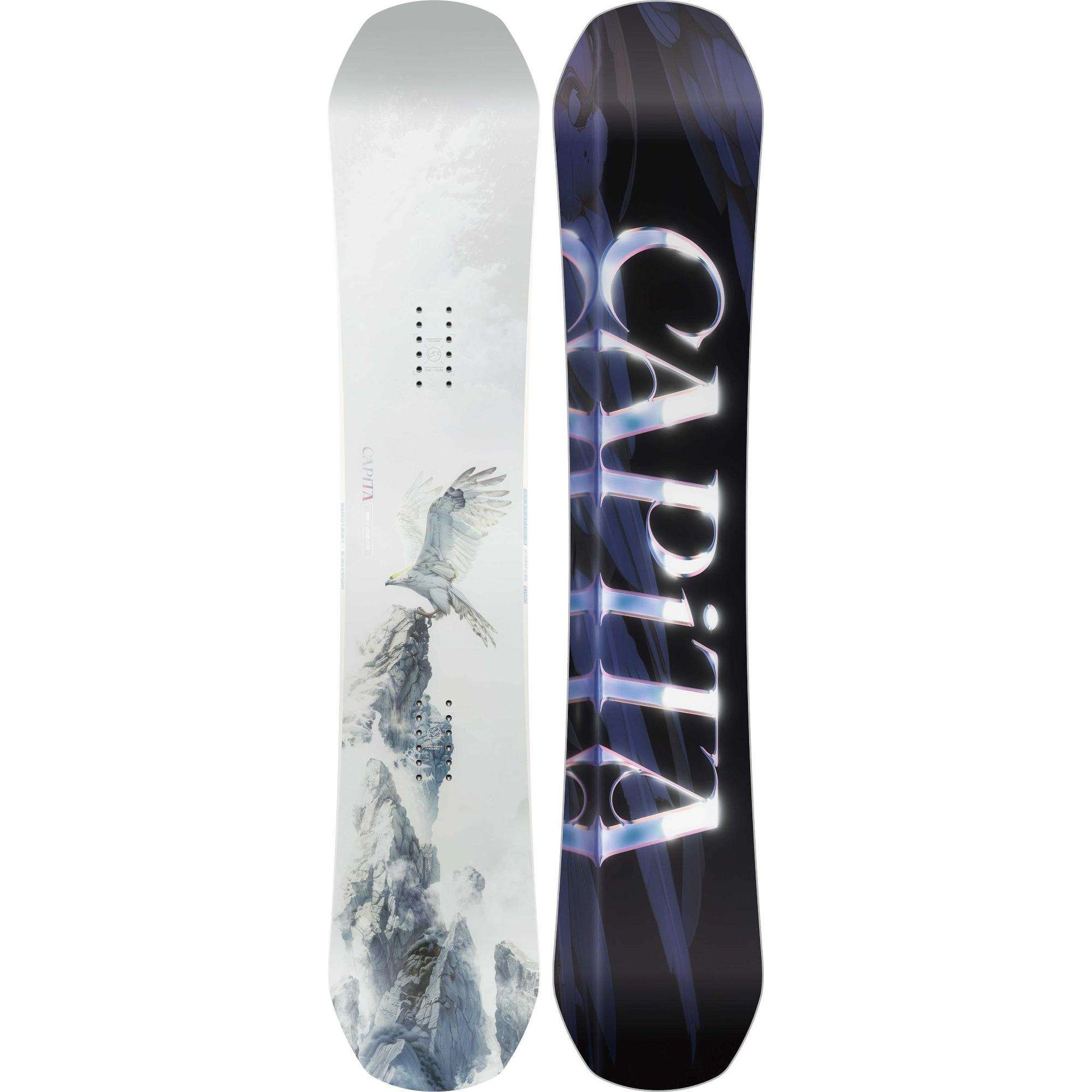 Women’s Top All Mountain Snowboard:
 CAPiTA Birds of a Feather $579.95
Shop All Mountain Snowboards
Freestyle Snowboards
Freestyle snowboards are designed for riders who love progression, creativity, and style on the mountain. Known for their playful and responsive feel, these boards are perfect for hitting jumps, rails, and boxes in the terrain park—but they’re also versatile enough for side hits and natural features all over the mountain.
With softer flex and twin-tip shapes, freestyle boards deliver consistent pop, predictable takeoffs and landings, and extra stability when riding switch (the opposite of your natural stance). If your goal is to expand your trick list and ride with flow, a freestyle snowboard is the way to go.
Best for: Riders focused on learning and perfecting tricks in the park and across the mountain.
Tradeoffs: Less stability at high speeds and not as reliable in deep powder.
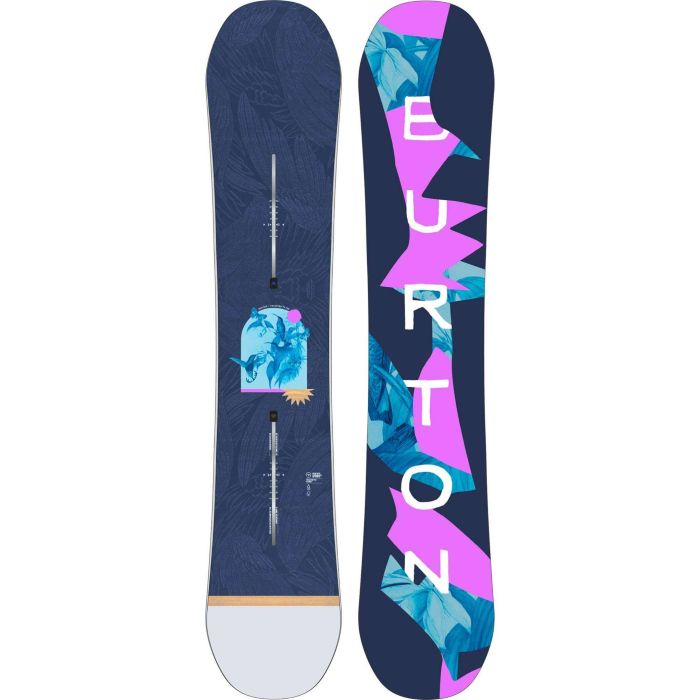 Women’s Best Freestyle Snowboard:
Burton Yeasayer Flying V $529.95
Shop Freestyle Snowboards
Freeride Snowboards
Freeride snowboards are built for riders who thrive on speed, power, and precision in challenging terrain. Designed to dominate steep lines, carve with confidence, and stay stable in variable snow conditions, these boards excel when the mountain gets technical.
Most freeride boards feature a stiffer flex and directional shape, giving them incredible edge hold and control when charging downhill. They’re meant to be ridden primarily in your natural stance, making them ideal for carving corduroy groomers, tackling chutes, and dropping into big-mountain terrain.
Best for: Riders who prioritize speed, stability, and control in steep or aggressive terrain.
Tradeoffs: Less forgiving and more demanding, making them better suited for experienced snowboarders.
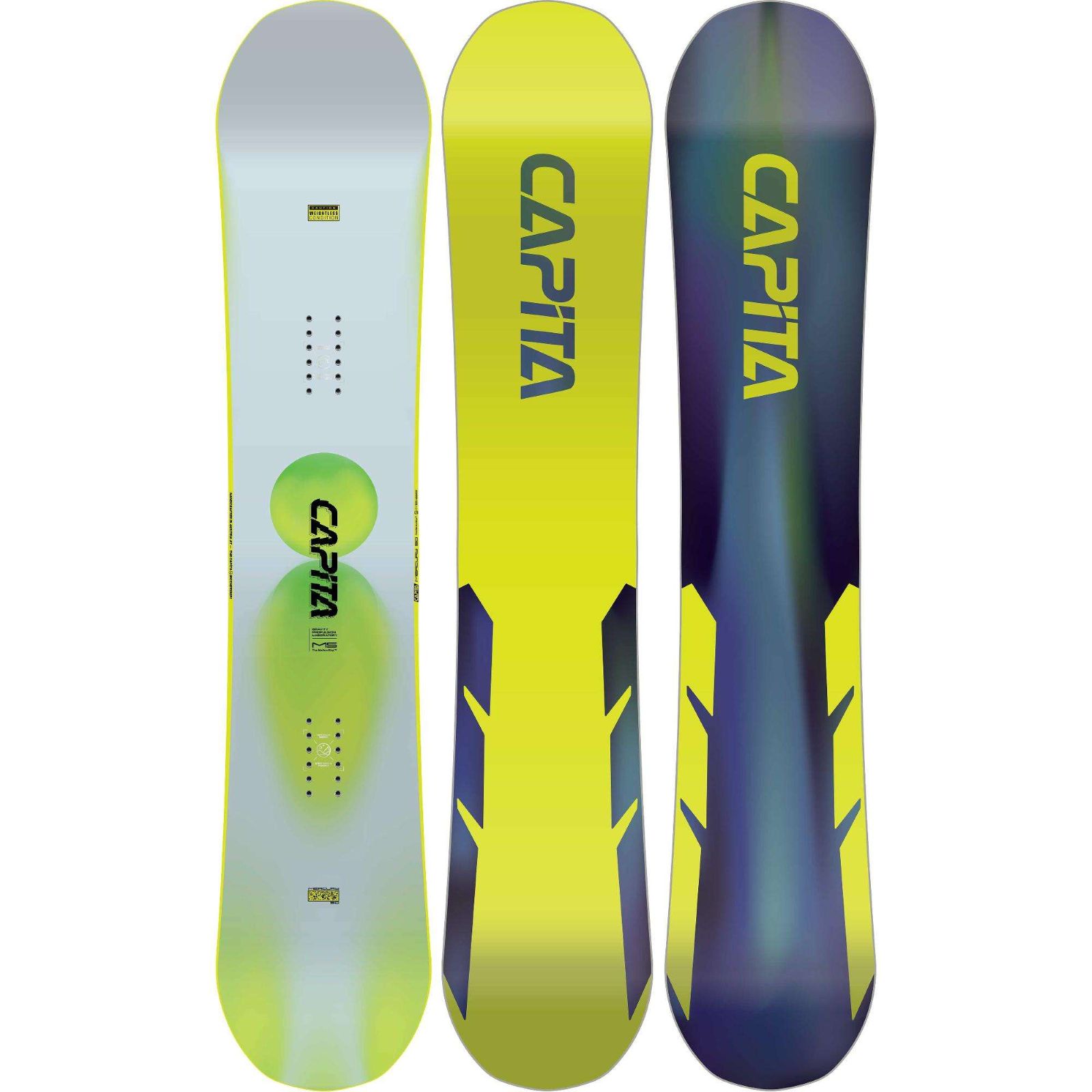 Men’s Freeride Snowboard Top Pick:
CAPiTA Mercury $679.95
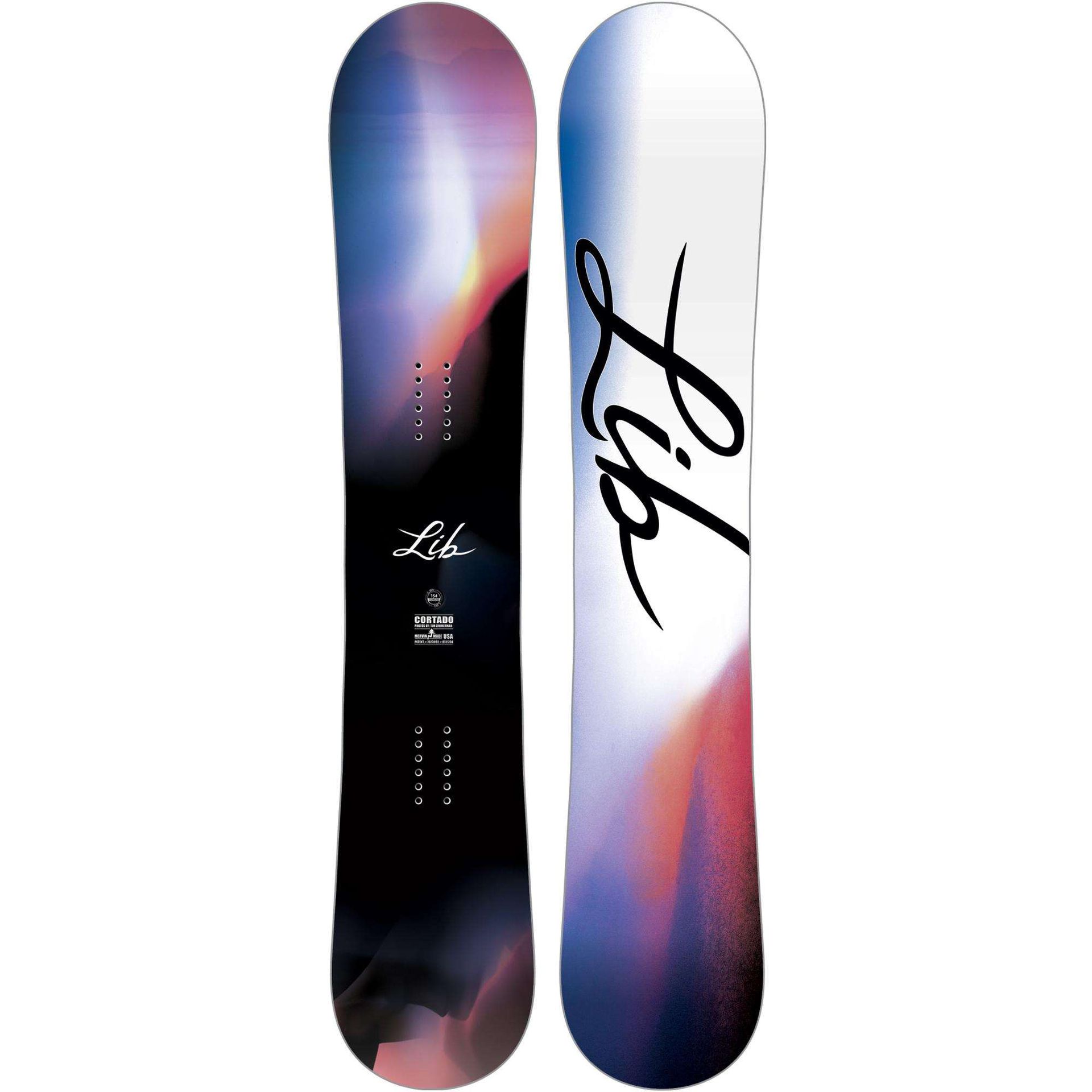 Women’s Freeride Favorite:
Lib Tech Cortado Snowboard $499.99
Shop Freeride Snowboards
Powder Snowboard
Powder snowboards are purpose-built for the days every rider dreams about—when the mountain is blanketed in fresh snow. These boards are designed for maximum float, smooth turns, and effortless maneuverability in deep powder, allowing you to glide across soft snow without sinking or straining.
With features like wider noses, tapered tails, and setback stances, powder boards reduce back-leg burn so you can ride longer and make more laps on storm days. If chasing first tracks is your top priority, adding a powder snowboard to your quiver will transform your best days on the mountain.
Best for: Riders who seek out deep snow and untouched lines
Tradeoffs: Less effective in choppy, crusty, or hardpack conditions.
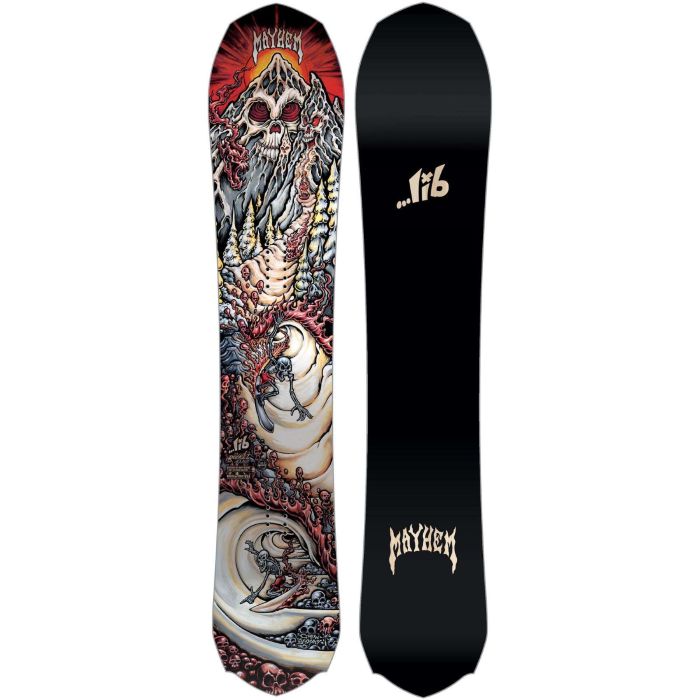 Best Men’s Powder Snowboard:
Lib Tech Mayhem Rocket ’26 $659.99
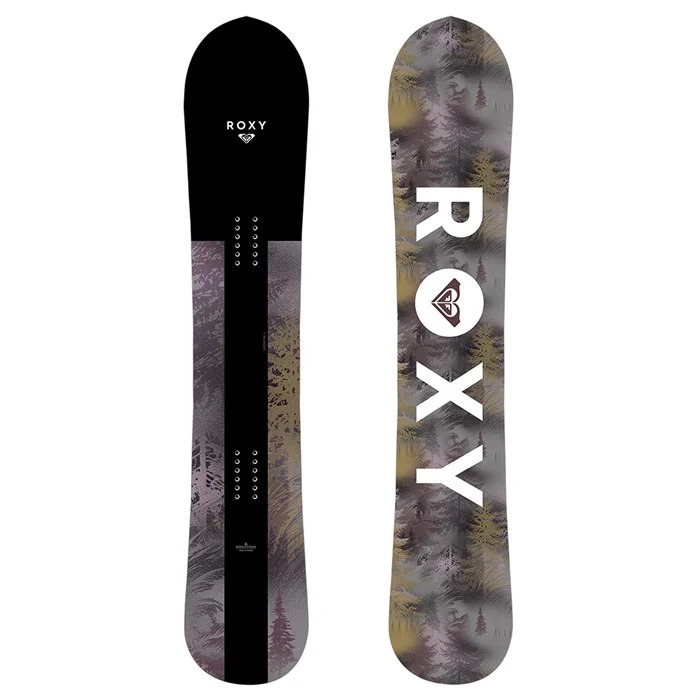 Top Women’s Powder Snowboard:
Roxy Smoothie C2 2026 $479.99
Shop Powder Snowboards
Park Snowboards
Park and pipe snowboards are a specialized type of freestyle board built to handle the demands of jumps, rails, boxes, and halfpipes. Designed for durability, they can take the repeated impacts of park features and street obstacles while still delivering a responsive, playful ride.
These boards are typically a bit shorter than other snowboard types, making spins easier and improving overall maneuverability. With true twin shapes and balanced flex, park boards provide smooth takeoffs and landings whether you’re riding regular or switch—perfect for lapping the terrain park from first chair to last.
Best for: Riders who spend most of their day in the terrain park or practicing tricks.
Tradeoffs: Less control in powder, steep terrain, or at high speeds.
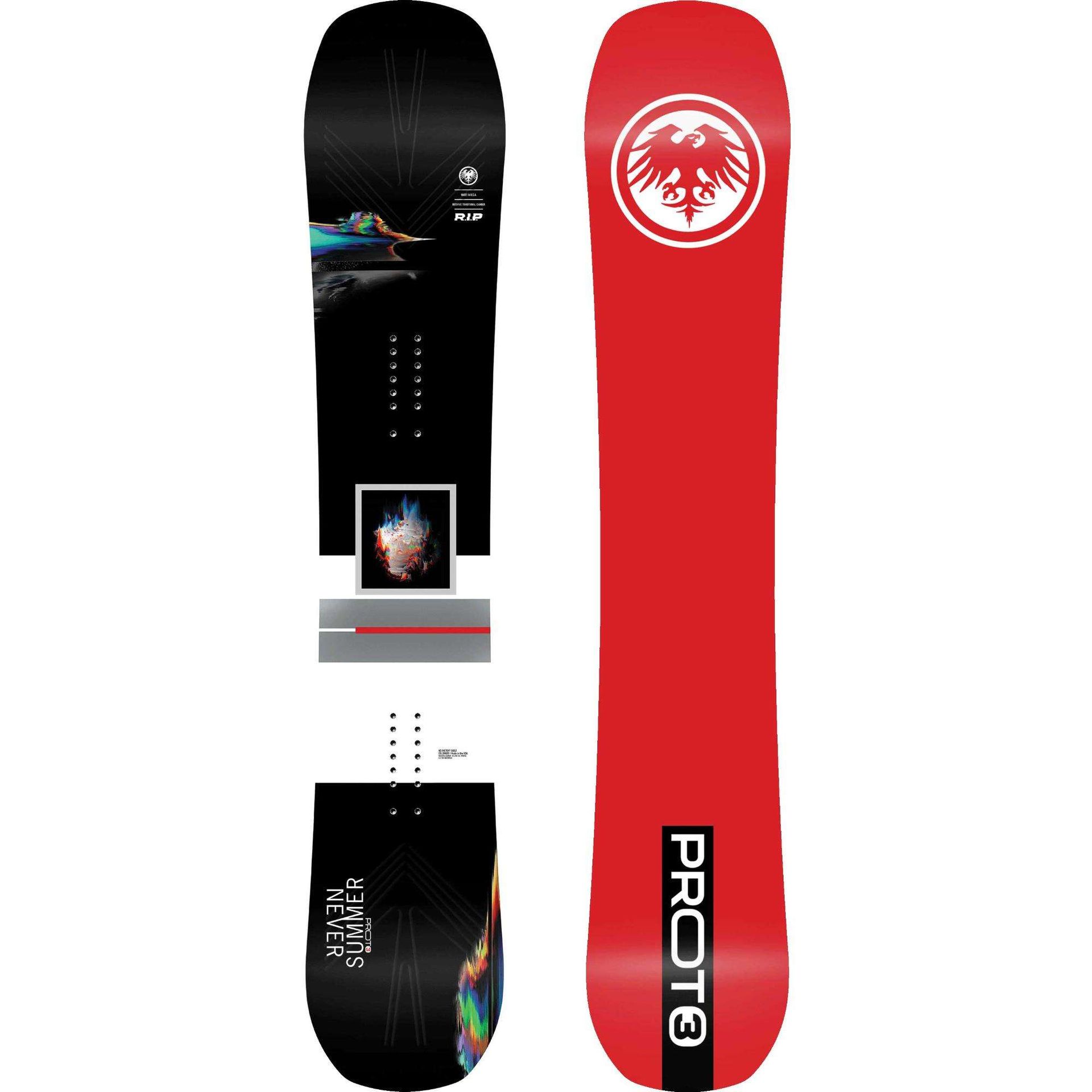 Best Men’s Park & Pipe Snowboard:
Never Summer Proto Type 3 $699.99
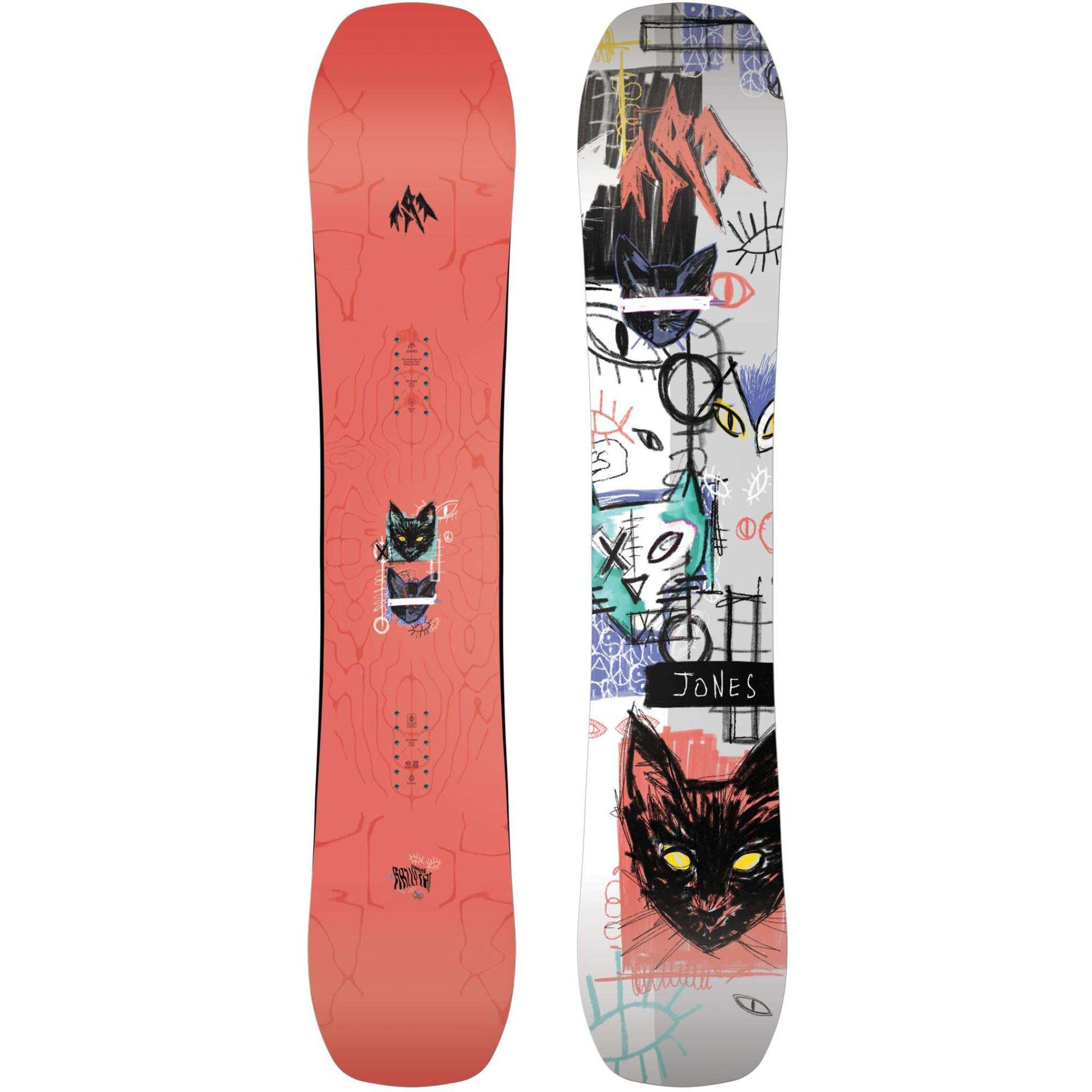 Best Women’s Park & Pipe Snowboard:
Jones Rally Cat $479.99
Shop Park & Pipe Snowboards
Snowboard Size Guide: Find the Right Length
Choosing the right snowboard size is essential for comfort, control, and progression on the mountain. Snowboards are measured by two main factors: length and width. The ideal snowboard length depends primarily on your body weight and boot size. Heavier riders generally need a longer snowboard for proper edge hold and stability, while lighter riders do better on shorter boards for easier turns, spins, and greater maneuverability.
Every snowboard brand provides its own sizing recommendations, but the snowboard size chart below offers a reliable starting point to match your weight and boot size to the right board. There is some overlap because personal preference plays a big role: shorter snowboards are easier to spin, press, and transition between edges, while longer boards provide better grip, more float in powder, and a more locked-in feel at higher speeds. You can use this snowboard length guide to find the perfect size for your riding style and skill level.
Snowboard Size Chart
Rider Weight (lbs)Board Size Range (cm)40-80 lbs110-125 cm70-100 lbs125-135 cm90-110 lbs136-142 cm100-150 lbs 140-147 cm120-170 lbs145-152 cm130-180 lbs150-158 cm150-200 lbs154-162 cm180-230 lbs156-164 cm220-260+ lbs160+ cmChoosing the Right Snowboard Width
Your snowboard boot size directly affects the width of snowboard you need. Boots that hang too far over the edges can drag in the snow, causing loss of control during aggressive turns, while a board that’s too wide can make edge-to-edge transitions more difficult.
Most snowboards are available in standard and wide versions, with waist width measurements listed at the board’s narrowest point. Generally, riders move from standard to wide boards around a US men’s size 11. While outsole lengths vary between boot brands, the chart below provides a helpful guideline for matching your snowboard width to your boot size.
These recommendations are flexible. Larger boots can work on narrower boards depending on stance width and angles, and riders on the edge of sizing ranges have options. Narrow boards are lighter and more responsive, ideal for quick turns and playful riding, while wider boards offer added stability and better float in powder due to increased surface area. Use this snowboard width guide to find the right fit for your boots and riding style.
Snowboard Width Chart
Recommended Snowboard WidthWomen’s/NarrowStandard widthMid-wide/WideBoot Size (US Men’s)Up to 7.57.0—9.59.5—11.512.0+Boot Size (US Women’s)5.5—9.08.0—10.510.0+–Snowboard Waist Width (mm)235—245245—252250—258260+Men’s vs. Women’s Snowboards: What’s the Difference?
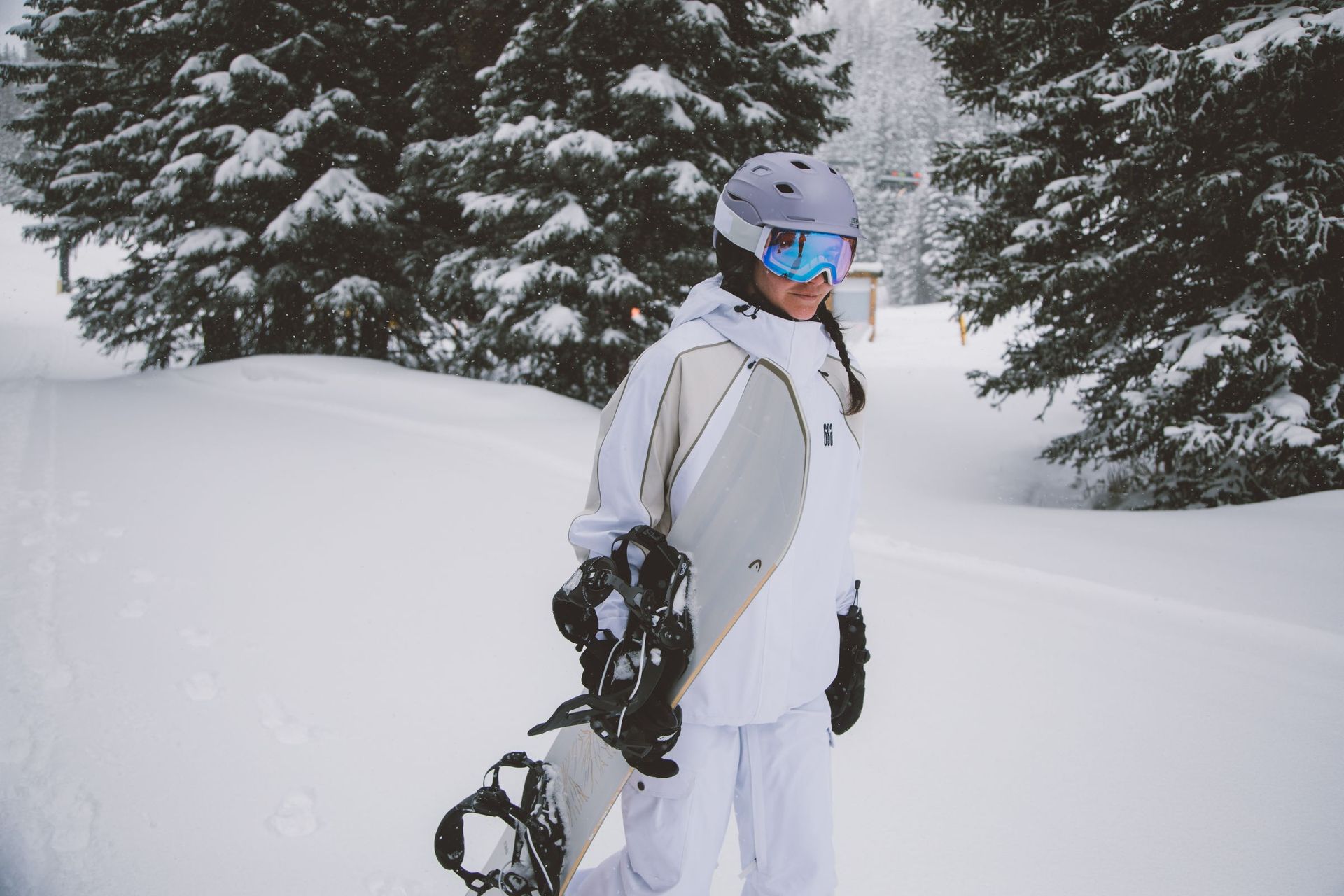 Sun & Ski Sports’ Annual Snow Camp: Embrace the Thrills on Women’s Snowboards – Where Flex Meets Fun!
For years, much of the outdoor industry simply produced smaller, color-coded versions of men’s gear and labeled them as women’s products. Thankfully, now most snowboard manufacturers design boards specifically for women, taking into account women’s proportions and body mechanics. One of the main differences is board width: since women typically have smaller feet, women’s snowboards are narrower to match their boot size. They also tend to have a softer flex, making it easier for lighter riders to control the board.
Women’s snowboards adjust in width and flex as lengths increase, so riders of all shapes and sizes can usually find a board that fits. To avoid boot overhang, women who wear boots larger than a US size 9.5 may want to consider a standard-width snowboard. This ensures better edge control and a more comfortable ride.
Shop Women’s SnowboardsHow to Choose the Right Snowboard Size for Kids
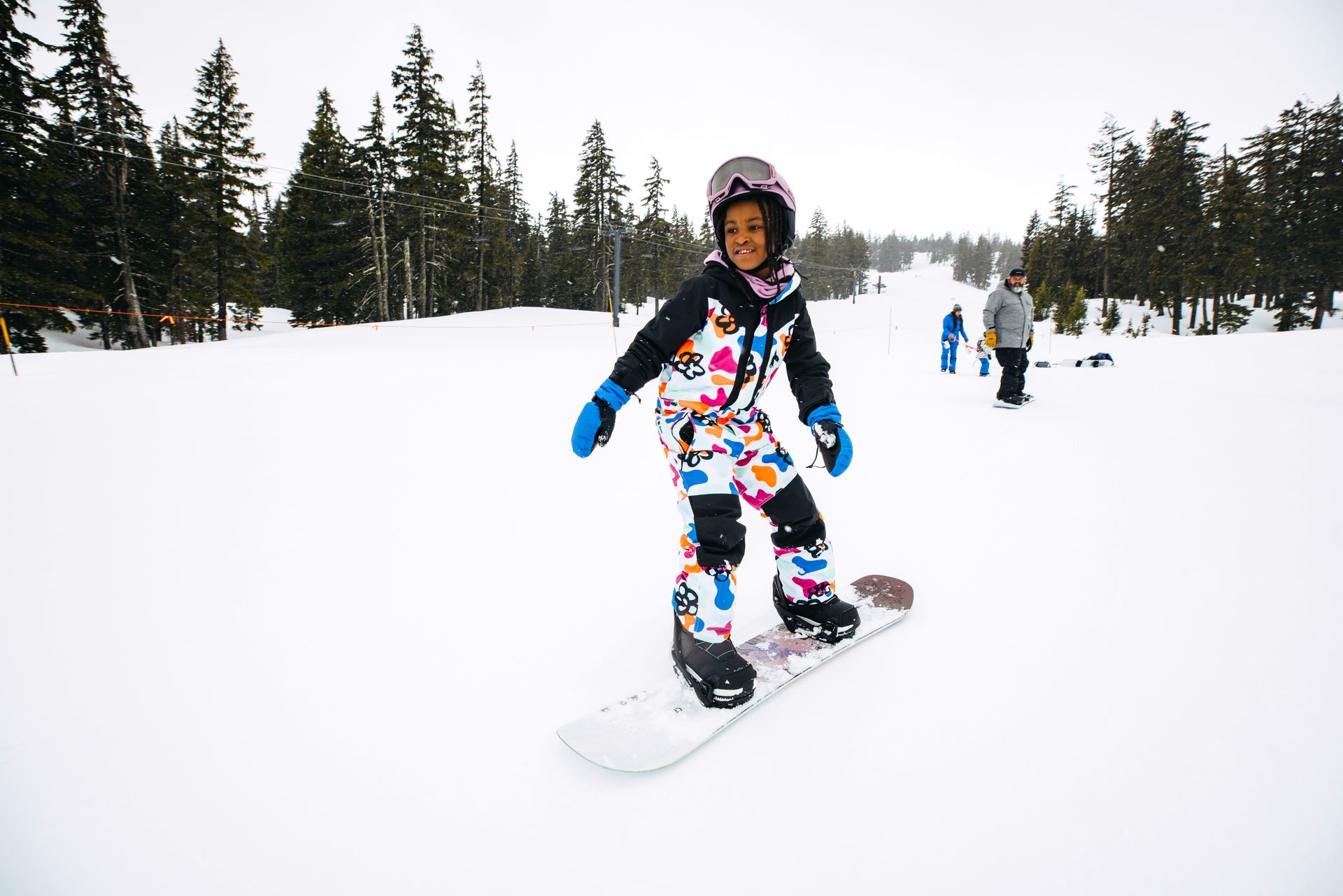
Kids’ snowboards are designed for young riders of all skill levels, from first-timers to aspiring Olympians. Boards range from forgiving, beginner-friendly models to high-performance, pint-sized machines, with lengths, widths, and flex patterns built specifically for children. While it may be tempting to buy a board they can grow into, kids learn and progress faster when their snowboard matches their current height and weight. A board that is too long or too wide can make learning difficult and lead to on-mountain frustration, so choosing the right size helps ensure safer, more enjoyable, and more successful days on the slopes. Avoid a mountain-meltdown with the right board!
Pro Tip: Simplify your winter with our Junior Seasonal Lease program! Snowboards that grow with your kids. Our Outdoor Experts will fit them with the perfect board for the season. No appointment needed, just visit a participating store near you and reserve your Junior Seasonal Lease today!
 Shop Kids’ Snowboards
Types of Snowboard Shapes and How They Affect Riding
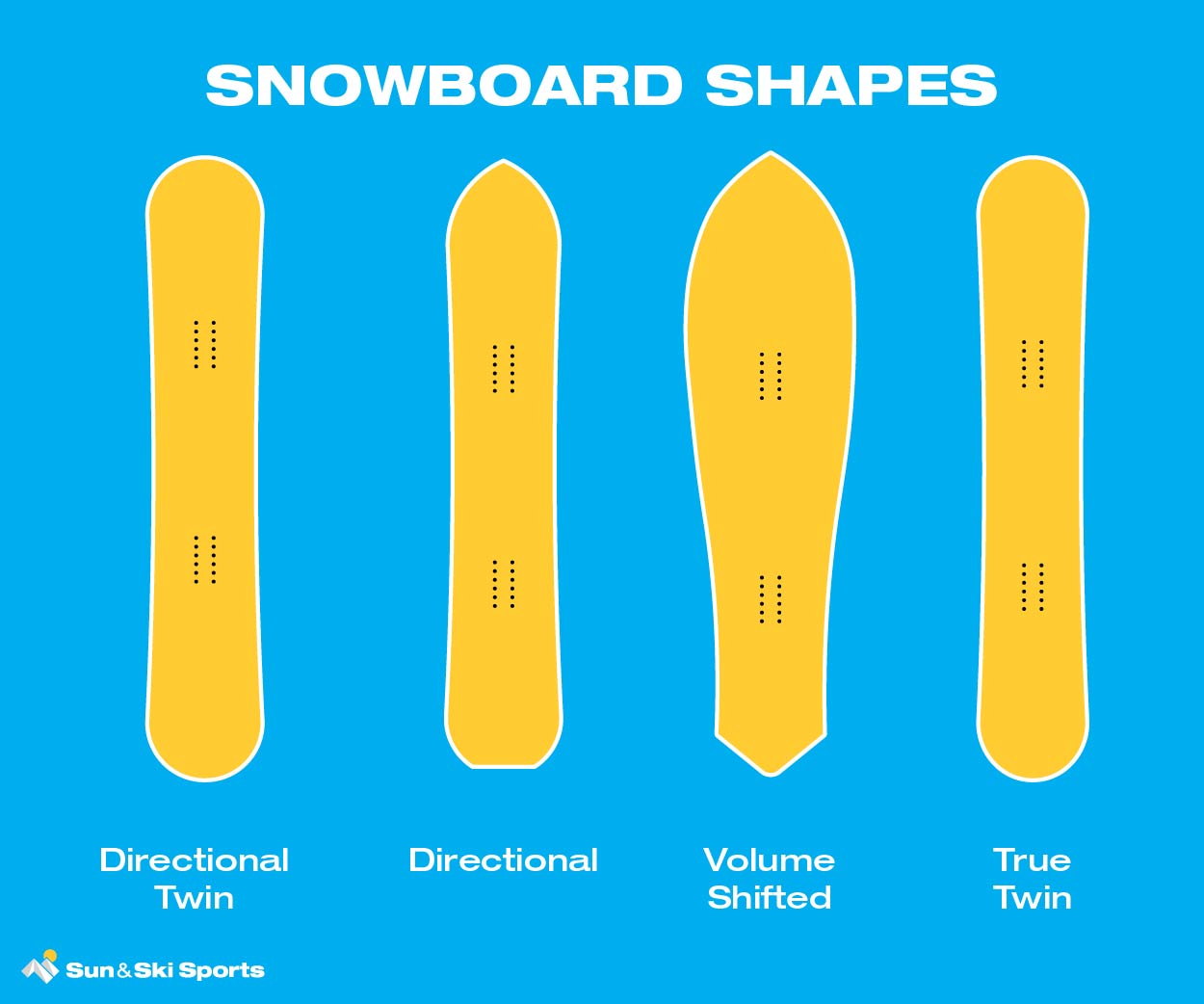 Snowboard Shapes explained. Choose Your Shape: Unveiling the Snowboard Shapes That Enhance Your Riding Experience!
Shape is a huge factor in how any snowboard rides and feels underfoot. Snowboard shapes are somewhat linked to different riding styles and types of boards, though there’s plenty of crossover between these categories.
Directional Twin: Directional twin snowboards combine freestyle capability with all-mountain versatility. Directional twins are the same width from tip to tail, though the tail is usually stiffer for better all-mountain performance in your default stance. They’re an excellent choice for riders who might take a few park laps but who ride everything else, too.
Shop Directional Twin SnowboardsTrue Twin: True twin snowboards are totally symmetrical from tip to tail in terms of their width, shape, and flex. True twins usually have centered stances, and they’re designed to ride equally well in either direction. They’re most popular among park and freestyle riders, though anyone who rides switch a ton may enjoy a true twin as their daily driver.
Shop True Twin SnowboardsDirectional: Directional snowboards are designed to be ridden mostly in one direction. Directional boards are tapered from tip to tail, which makes it easier to start a turn, stay on top of the powder, or hold an edge at high speeds. Most powder and freeride snowboards fall into this category, though so do plenty of all-mountain boards.
Shop Directional SnowboardsVolume Shifted: Volume shifted snowboards are one of the biggest recent breakthroughs in snowboard design. These specialized directional shapes are shorter and wider than traditional boards, which makes them a blast for tight trees, fresh powder, and quick carves. Because they have the same surface area as a larger board, volume shifted snowboards can be ridden shorter than usual without submarining in deep snow.
Volume Shifted SnowboardSnowboard Profiles: Camber, Rocker, and More
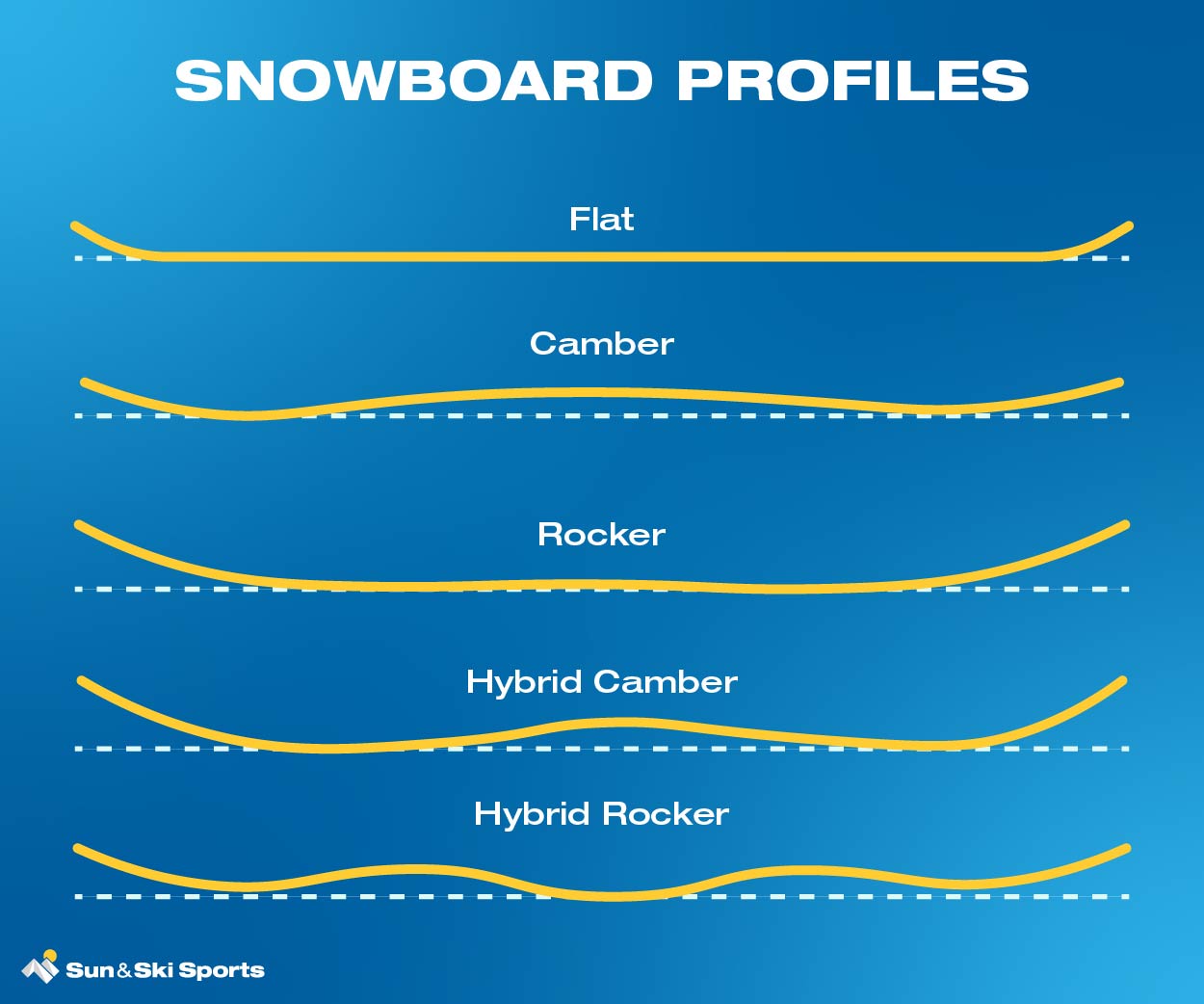 Snowboard Profiles Explained.
Put a few snowboards flat on the floor, and you’ll see how much their profiles can change from one board to the next. Along with its shape, a snowboard’s profile determines a lot of how it handles in different situations.
Camber snowboards have a natural upward bend that makes the center of an unweighted board sit up higher than the surface of the snow. Camber boards have superior edge grip and a more spring-loaded feel coming out of turns and off of jumps. The tradeoff is that they’re less forgiving to ride, and they require more energy (or a bigger board) to stay on top of deep powder.
Shop Camber SnowboardsRocker snowboards are more or less the opposite of camber. The center of the board is the lowest point, with tips and tails curved up away from the snow. Rocker boards float amazingly well on top of powder, and they almost eliminate edge catches if you make a mistake or under-rotate a trick. However, they definitely feel looser and less locked-in, especially on crusty or choppy snow.
Shop Rocker SnowboardsFlat snowboards are designed to bridge the gap between rocker and camber. Like the name suggests, they sit almost fully flat on the snow. Flat boards balance the loose, floaty feel of rocker with the stable, snappy feel of a camber board. Their main downside is they can cause some unpredictable edge catches if your technique gets a little sloppy.
Shop Flat SnowboardsHybrid snowboards combine varying amounts of camber, rocker, and flat sections to balance grip, float, and forgiveness. How much of each—and where they’re used—can make hybrid snowboards ride very differently from one another.
Some hybrid designs use camber between your feet, with rocker in the tips. Others put rocker between the feet, with camber or flat zones underfoot. In general, camber sections provide edge grip, pop, and power, while rocker zones feel looser, with more float over the snow.
Shop Hybrid SnowboardsHow Stiff Should My Snowboard Be?
A snowboard’s flex is the final major piece of the puzzle in how it rides and what it does best. There’s no right or wrong choice for any rider, just some general guidelines.
Softer-flexing snowboards are more forgiving and easier to turn. They’re a great choice for newer riders, park riders, and anyone who likes a playful feel at slower speeds. Softer boards are much easier to butter and press on the snow or terrain-park features. Their main drawback is that they can feel loose and squirrely at high speeds.
Stiffer snowboards feel more snappy and powerful, and they’re stable at high speeds. Stiff boards grip better in firm or variable snow, but sometimes feel twitchy or “catchy” at slower speeds. Most freeride snowboards are on the stiffer side, though plenty of freestyle riders also like stiff boards because they’re more predictable on big jumps.
Every snowboard manufacturer has their own flex scale, but they’re not necessarily standardized. To simplify your selection process and help you compare boards more easily, we assign our own flex ratings for every snowboard we stock.
What Are the Different Snowboard Base Materials?
A fast snowboard base can make all the difference in easily cruising through a flat section vs. doing the one-footed skate of shame. Snowboards typically come with one of two types of base materials: sintered or extruded.
Extruded bases often come on more budget-friendly snowboards. They’re durable, they don’t need to be maintained very often, and they’re easier to repair if you gouge your base on a rock, rail, or anything else. The downside is that extruded bases don’t hold wax very well, which limits their top speed in some snow conditions.
Sintered bases come standard on most premium snowboards. They’re made of a microporous polymer that easily absorbs wax when heated, which means a properly maintained sintered base will always be a lot faster than an extruded one.
Some high-end sintered bases include additives to boost durability and reduce drag. Sintered bases require more frequent service, and repairing impact damage can be a little bit tricker. Ideally, they should be waxed after every 4-5 riding days—8-10 at the most.
How Does Snowboard Sidecut Affect Your Ride?
Word has it that turning is a big part of snowboarding, and a lot of it comes down to your board’s sidecut. Sidecut is the curve of a snowboard from its widest to narrowest points, and it controls how easily the board carves and makes turns. It’s measured by the radius of an imaginary circle that follows the edge: a smaller sidecut radius makes tighter, quicker turns, while a larger radius gives longer, more stable arcs. When comparing similar boards, the one with the smaller sidecut will usually turn faster, but it’s also easier to catch an edge if you’re not paying attention. Knowing about snowboard sidecut helps you pick a board that matches your riding style and the way you like to ride.
What are Snowboard Edge Technologies?
Edge grip is crucial for snowboarders, so many manufacturers have developed edge technology to boost control and stability. These systems enhance edge hold on all types of boards – rocker, hybrid, and camber, making turns and carving on icy or firm snow much more predictable. While browsing snowboards, you’ll often see names like Magne-Traction®, Power Grip, or other trade names for edge-grip-enhancing technology. Most of these work the same way: by adding extra steel edge material in strategic spots, similar to a serrated blade, the board bites into the snow more effectively. The number and placement of these contact points determine how much grip the rider feels, giving better control, stability, and confidence on the mountain.
Snowboard Cores and Internal Construction
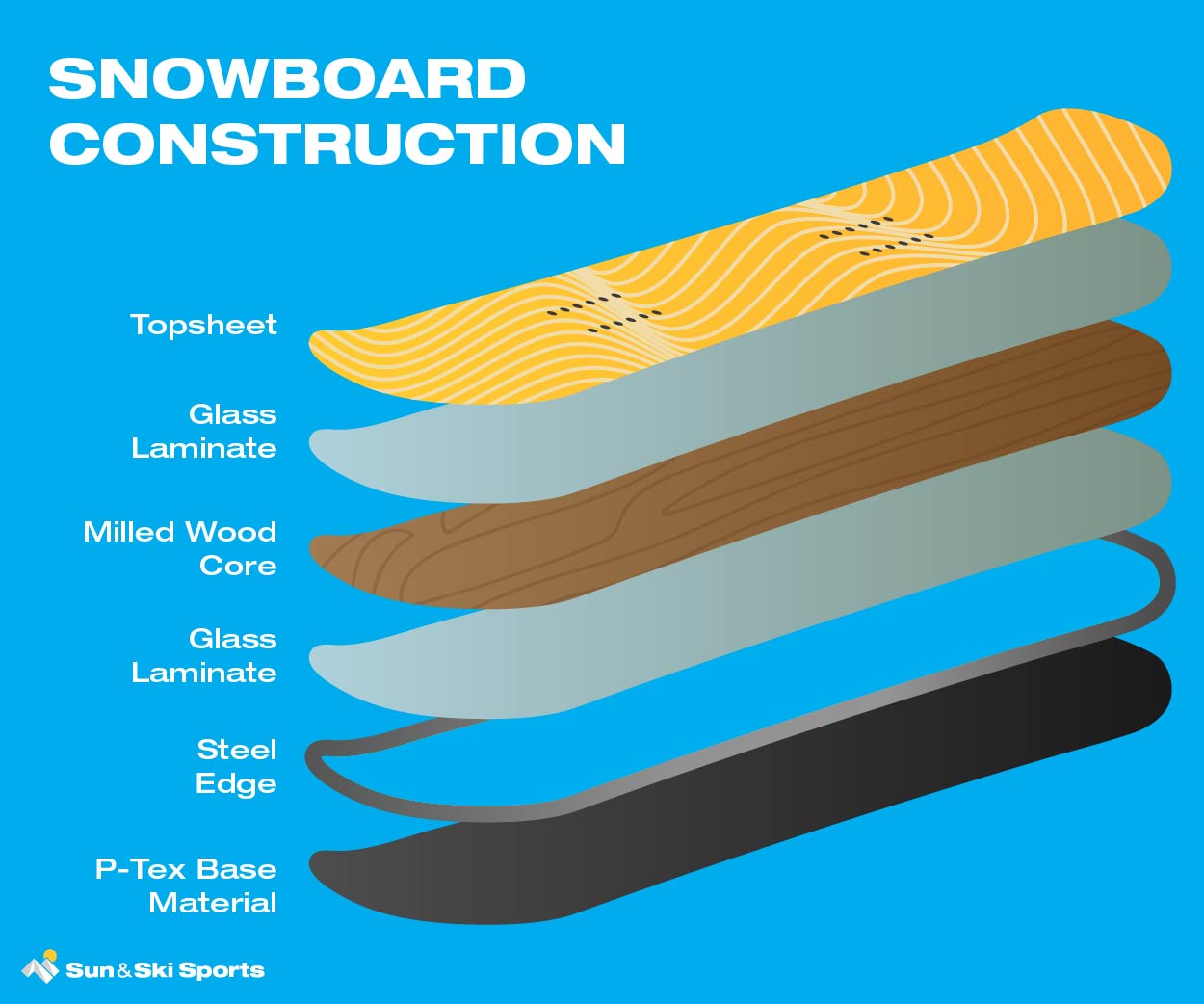 Ever curious to know how a snowboard is constructed? We have created a infograph to explain.
Core Materials and Profiling
Most quality snowboards are made with full wood cores. In higher-end boards, you’ll find cores made of lighter and/or more rigid woods that offer a smoother and more responsive ride.
Some manufacturers also use core profiling technologies to fine-tune a board’s flex. Adjusting the thickness of the wood core in different areas of the snowboard helps dial in a stable ride without making a board any stiffer or harder to handle than necessary.
Snowboard Laminates and Fibers
Snowboards get most of their strength and stiffness from fiberglass layers bonded together with epoxy resin. The type of glass used, the orientation of the fibers, and any additional materials all make an impact on the flex and feel of the board.
Biaxial fiberglass uses fibers running in two directions—from tip to tail and edge to edge. This layout leads to a softer flex, which makes it common in beginner-friendly boards and park boards.
Triaxial fiberglass places rigid fibers in three directions—one from tip to tail, and then two other layers at opposite 45-degree angles. This leads to faster energy transfer to your edges, and is the standard layout for most high-performance snowboards.
Snowboard manufacturers often use other lightweight, rigid materials like carbon or basalt fibers to add pop and stiffness, or improve energy transfer from binding areas to contact points. These extra details are usually what separates a mid-priced snowboard from a high-end one.
Dampening Materials
Flat landings and choppy snow can transfer a lot of force into your body, and snowboard companies use a whole bunch of methods to help take the edge off. Many different materials can help smooth out vibrations and absorb harsh impacts, from urethane sidewalls to rubber or Kevlar strips within the laminate.
Find Your New Favorite Snowboard at Sun & Ski Sports
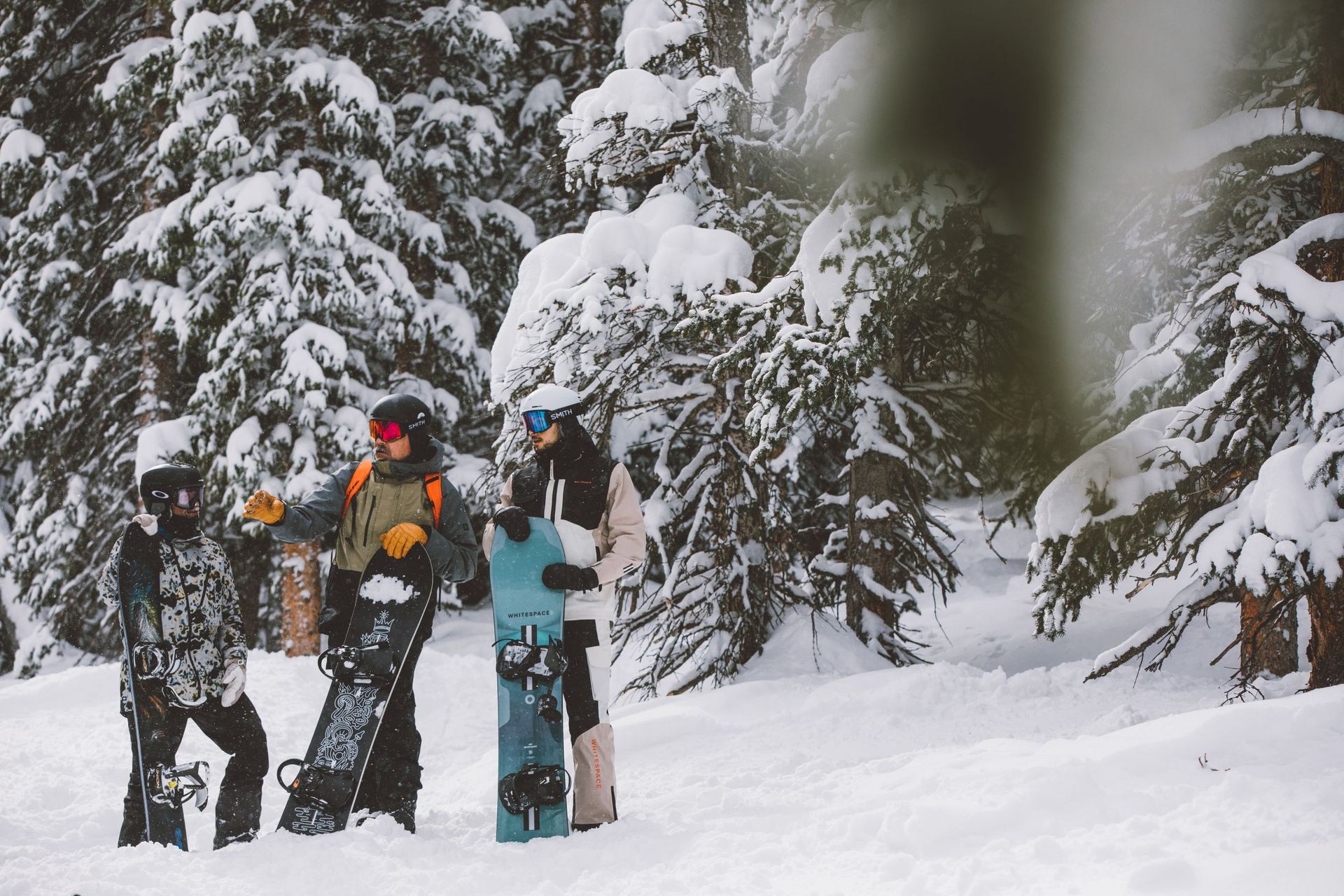
There’s always more to know about snowboard shapes, construction methods, and technologies. Still, everything we’ve covered in this article should give you a great start on researching different boards and making an informed decision about which one is best for you.
Start with the basics of your riding style and physical build, and then narrow down your choices based on your budget, riding goals, and the on-snow feel you’re looking for. No matter who you are or how you ride, choosing a snowboard that suits your needs is the key to making your next days on the mountain your best days ever!
At Sun & Ski Sports, we are your one-stop shop for everything you need on the mountain, from snowboards and outerwear to helmets, goggles, gloves, and more. If you’ve still got questions about choosing the best snowboard for how and where you ride, we’re here to help! Swing by one of our store locations to check out some boards in person, or chat live with one of our Outdoor Experts.
Get Ready to Shred Today!
About the Author, Allie Cheney
Hello there :) Allie Cheney here! I'm a Texan turned mountain enthusiast with a twist. After a year of croissants and conjugations in France where I completed an MBA, I traded baguettes for mountain air and moved to Colorado. As a Copywriter and Content Creator for Sun & Ski Sports I'm thrilled to share my 6 years of outdoor industry knowledge with you! Living in a converted van, I'll be skiing along the Rocky Mountains and West Coast this winter. My aim is to deliver content that is not only accurate and genuine but also provides valuable knowledge and insights into your favorite hobbies, the latest trending styles, and cutting-edge products. Let’s explore together! For questions feel free to email me at ACheney@sunandski.com or contact an Outdoor Expert at any Sun & Ski Sports store location near you!