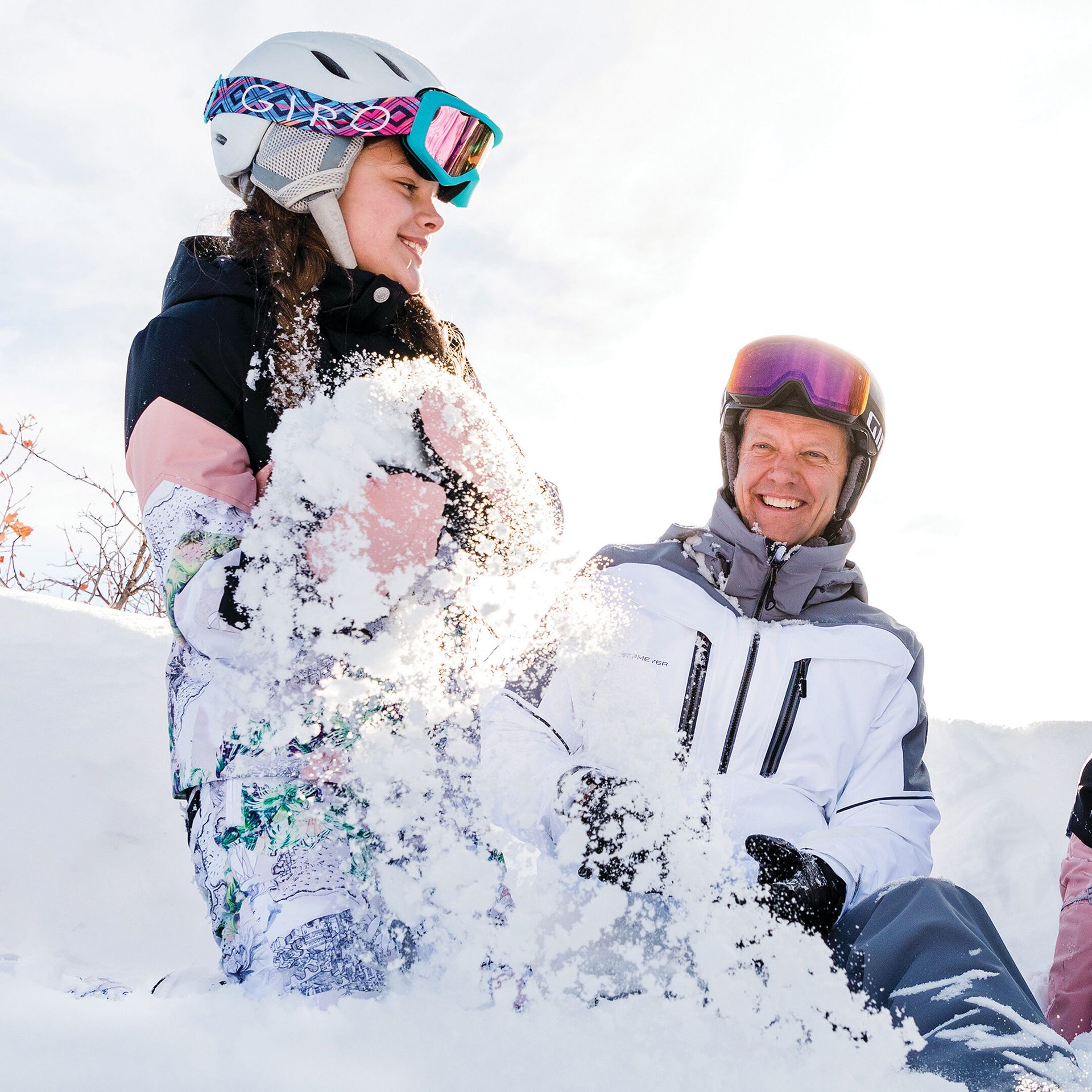
Did you know there are different types of snow you can experience? Whether you are heading to the mountains of Colorado, Utah, California, or somewhere else, you may experience these different types. While we can only hope that is all soft and fluffy powder, you may experience everything from compact snow, groomed runs, to even frozen solid ice. While this shouldn’t deter you from having the best adventures on the mountain, there are a few things you can do ahead of time to prepare. But first, what are the different types of snow?
Powder
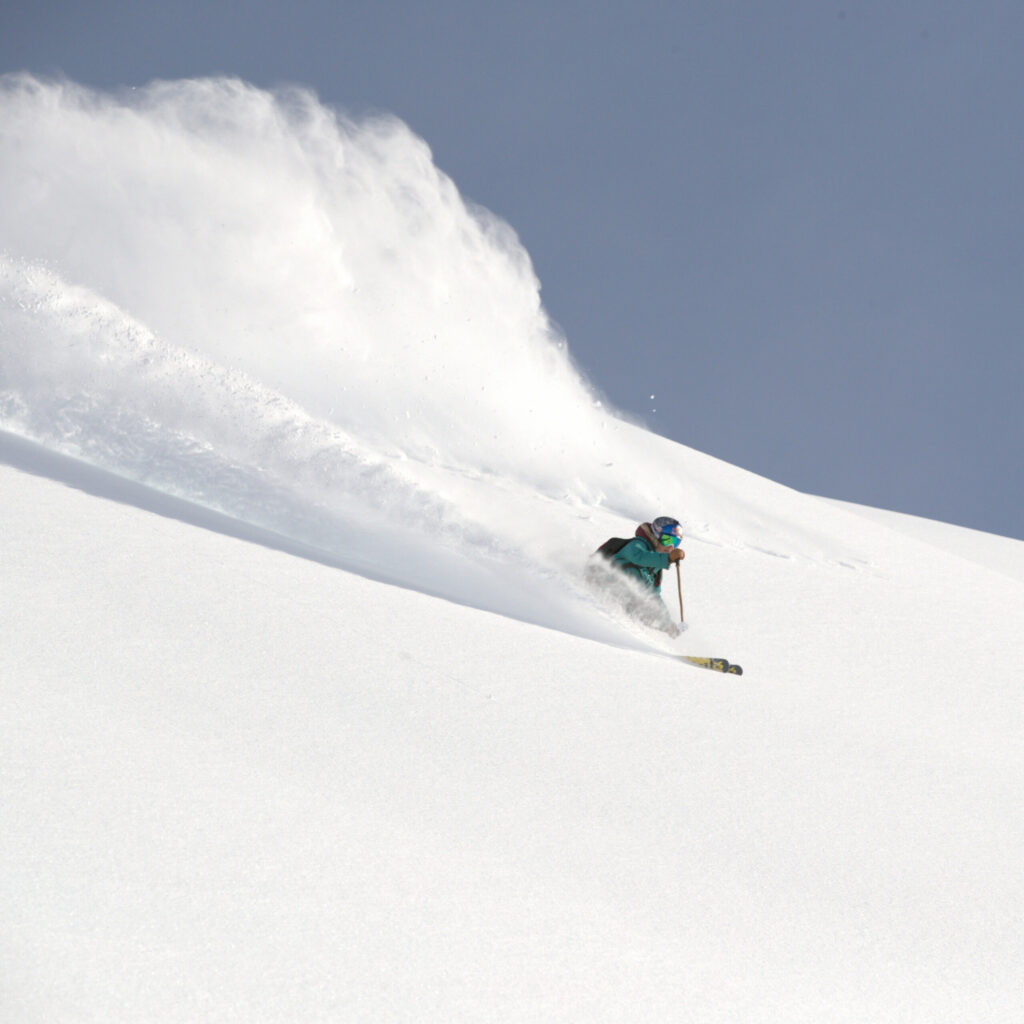 F18 Mountain Sports/Steep Series Angel Collinson filming with MSP in Girdwood , AK. Heli Chugach Powder Guides.
The absolute best and what banner days are made of. While there are many different types of subclasses of powder ranging from light and dry to wet and heavy, you can expect to have pristine and untouched conditions ahead. While it may look amazing, powdery snow is a bit difficult for beginners as it can provide less resistance and more float in the turns. Be sure to get up to the mountain early so you can make your mark on untracked runs for an unforgettable skiing or snowboarding experience.
Packed or Packed Powder
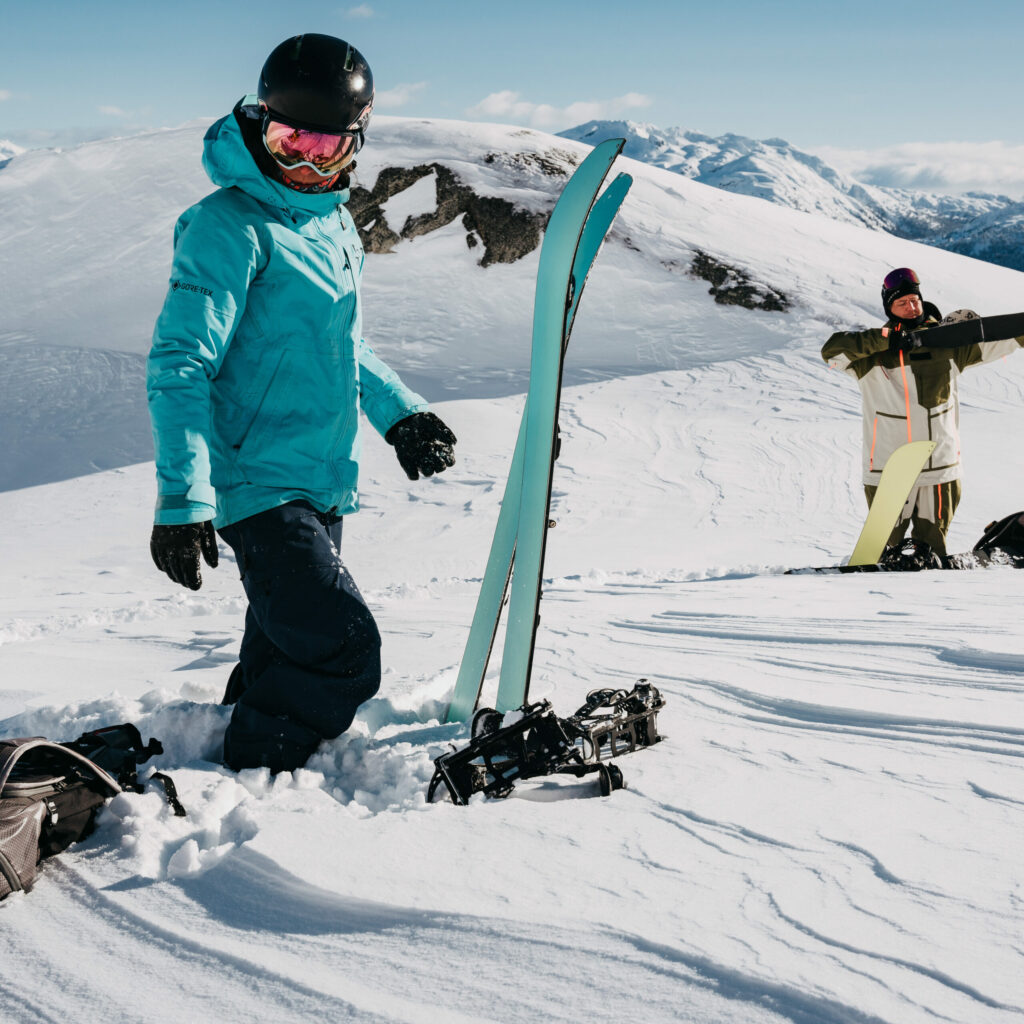
This is a slight step down from powder. This type of snow is not as soft as it has been groomed or even skied out through the course of the day. However, this type of snow is great for skiing for all skill levels as it is easier to set the edge. During these conditions, if you are looking for some fresh snow, you can find some to play on a bit off the beaten path.
Groomed
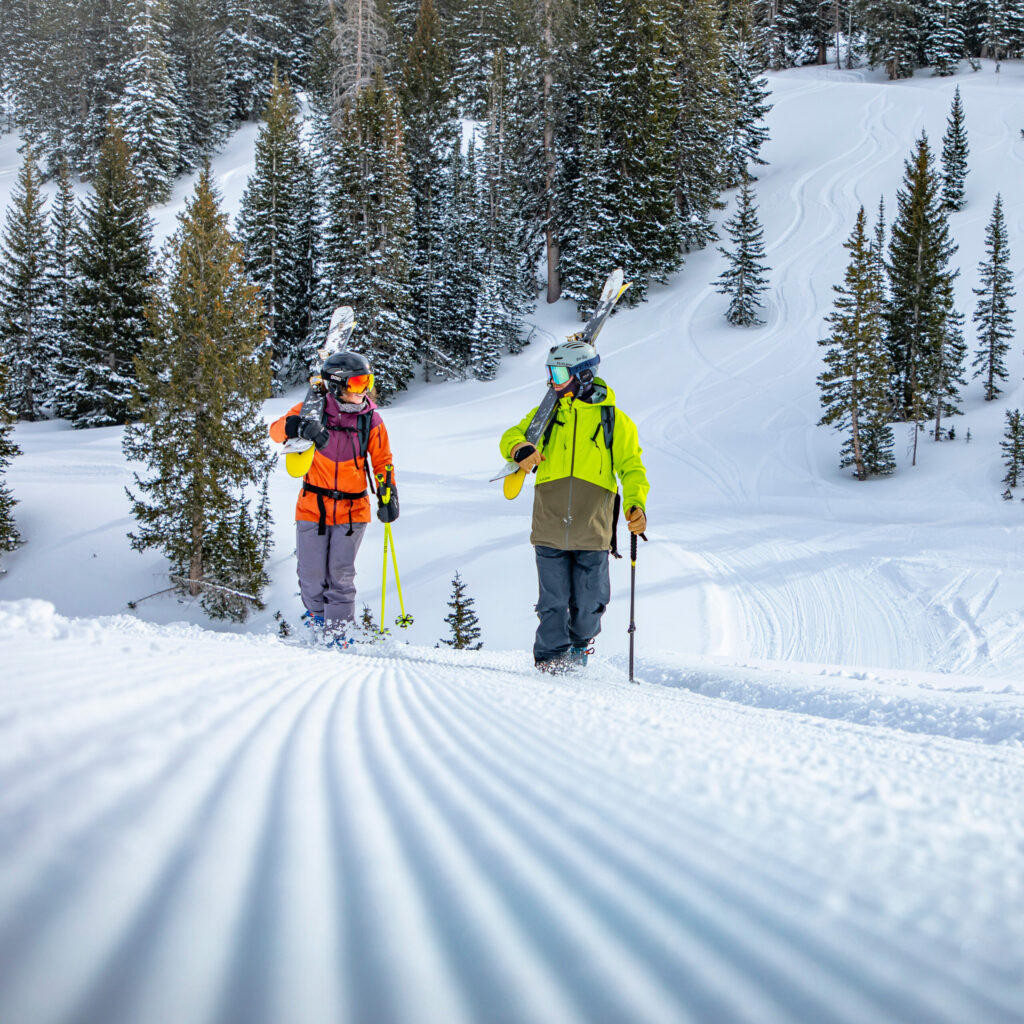
There are a bunch of subclasses here as well, but groomed slopes are exactly like it sounds. Usually overnight, and sometimes during the day, grooming machines will go down the mountain and prepare these runs. While not as soft as powder, it is still quite satisfying to run down freshly groomed corduroy runs. Because of the uniformity, these runs are perfect for beginners. You can find these at all major resorts.
Slush
When it warms up like during the Spring, the melting snow can create a slush-like consistency. During these conditions, it pays to be wary of completely melted areas as the ground underneath can damage your skiing or snowing equipment. Also, if you have slush on the ground, the whole skiing or snowboarding experience is a bit different. Depending on the actual weather situation, you may want to focus on waterproof gear so that you aren’t soaked if you fall.
Ice
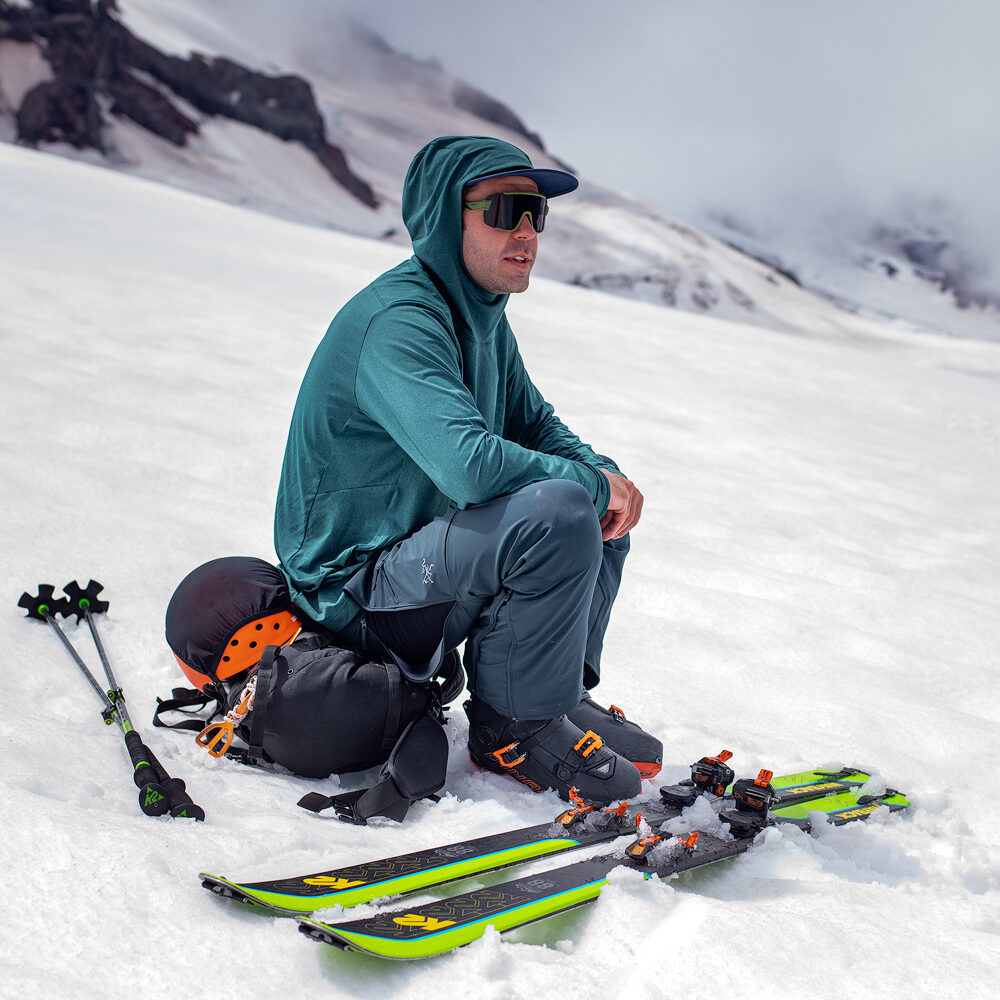
One of, if not, the absolute worst type of snow out there. Concrete snow is exactly what is sounds like. Generally, extremely packed snow or even icy conditions, this type of snow is unforgiving and hard and can be especially painful if you fall. Also, turning or carving is difficult as your skis or board don’t really have much to bite into. Skiing and snowboarding are still fun during these conditions, just be sure to manage your speed and control in order to maximize your experience on the mountain. Make sure your skis and boards are tuned and edges are sharp.
How to Find Out Current Snow Conditions
The best way to find current snow conditions is by simply calling the resort you are going to. Or check out their website. Most have daily snow reports that can give you an idea of the conditions. Most websites have information as previous snowfall totals, base depth, and even current season snowfall totals. If you are more of a visual person, many resorts actually have mountain cams so you can see the mountain in all of its snowy glory. With an idea of the conditions on the mountain, plan accordingly!
Now that you have an idea of the different types of snow, your next step is to get ready for your adventure!