
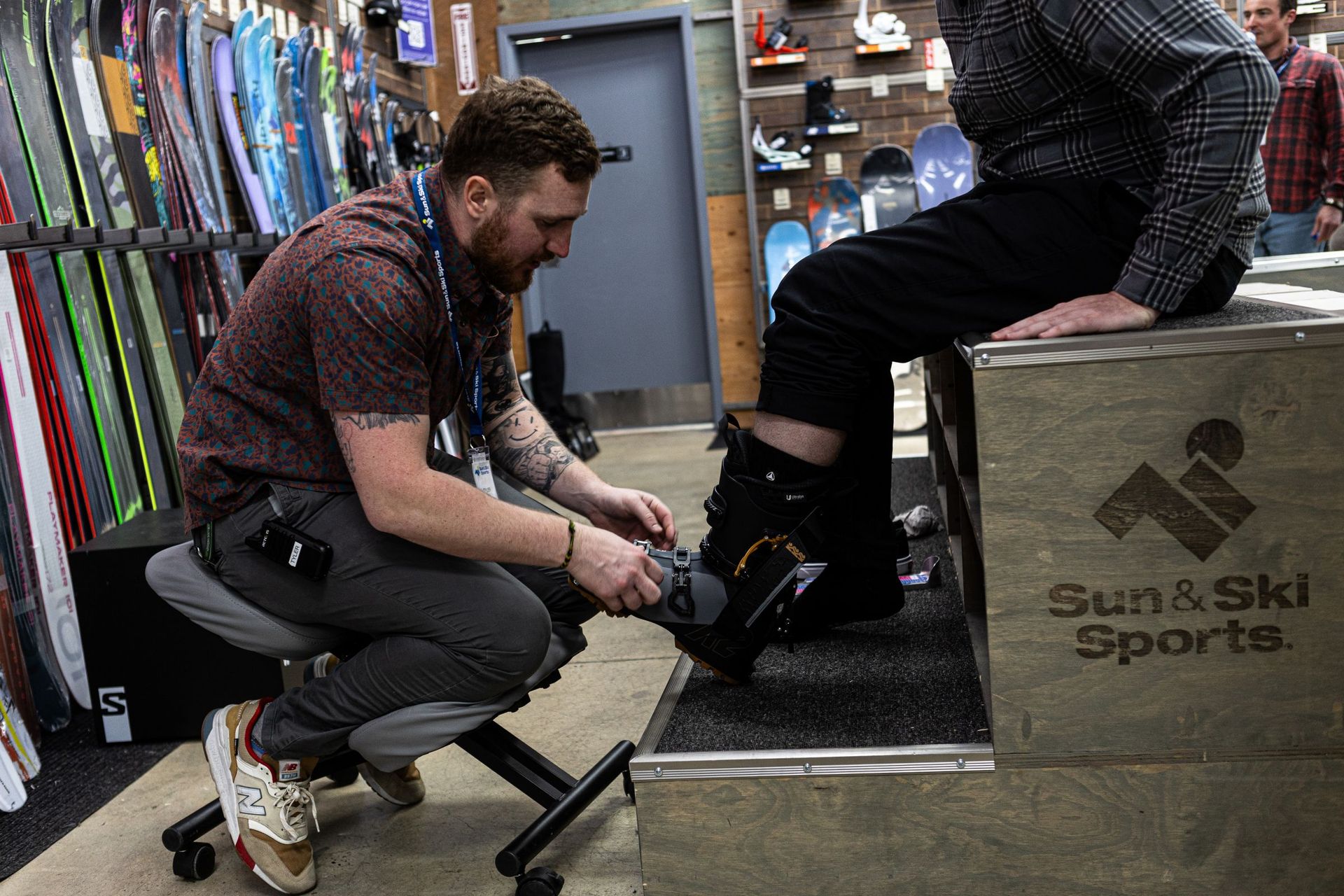
Trust Sun & Ski Sports to find your perfect ski boot fit! With Outdoor Experts, 32+ stores nationwide, and AI-powered technology like the ATREX 3D Foot Scanner, we make comfort and performance simple.
Table of Contents
- How Do I Fit Ski Boots?
- Why Is Getting Measured Important Before Buying Ski Boots?
- How Should I Try on Ski Boots?
- How Should a Ski Boot Fit?
- What’s the Difference Between Men’s and Women’s Ski Boots?
- How Does Heat Molding Work for Ski Boots?
- Do I Really Need Ski Socks?
- What Are Common Ski Boot Fit Issues?
- What’s the Difference Between Ski Boots for Beginners vs. Experts?
- How Long Does It Take to Break In Ski Boots?
- Should I Size Up or Down in Ski Boots?
- How Do I Know If My Ski Boots Are Too Tight?
- How Do I Pick the Perfect Pair of Ski Boots?
- Get the Ultimate Ski Boot Fit at Sun & Ski Sports
Skiing is all about comfort, control, and performance – and it all starts with your ski boots. Getting the right fit can make the difference between a fun day on the slopes and a painful one. Ski boots may have a reputation for being uncomfortable, but they should never hurt your feet! While they’re far from slippers, properly sized boots can actually feel supportive, hug your feet in all the right places, and provide comfort that lets you focus on skiing, not your footwear.
With decades of experience in custom ski boot fitting, Sun & Ski Sports has helped thousands of skiers each season find the perfect boots for comfort and performance. Our advanced ski boot fitting services use the ATREX 3D Foot Scanner powered by AI and professional heat molding technology to deliver a precision fit tailored to your foot shape and skiing style. Our Outdoor Experts can help you find the right ski boots, offering custom-fit options to match your feet perfectly. Just visit a store near you to explore our wide variety of men’s, women’s, and kids’ ski boots. Continue reading this guide to understand how ski boots should fit and how to pick the perfect pair.
How Do I Fit Ski Boots?
Getting the right fit for ski boots is essential for both comfort and performance. Ski boots are rigid to provide precise control over your skis, so proper sizing is key. When trying them on, your toes should lightly touch the front of the boot without cramming, and your heel should stay firmly in place with no lifting. A snug, secure fit ensures your feet are supported, your movements are responsive, and you can enjoy a full day on the slopes without discomfort.
Pro Tip: Have your boots fitted by a professional Outdoor Expert and bring a pair of your own ski socks to the fitting. This ensures the fit is as accurate and comfortable as possible.
Why Is Getting Measured Important Before Buying Ski Boots?
Ski boot sizing can be tricky, and sizes vary between brands. Getting professionally measured ensures you know your correct mondopoint size, which is the length of your foot in centimeters, along with your width and foot shape. A precise measurement helps avoid common problems like heel lift, pinching, or cold feet. We offer expert fitting services to make this step easy.
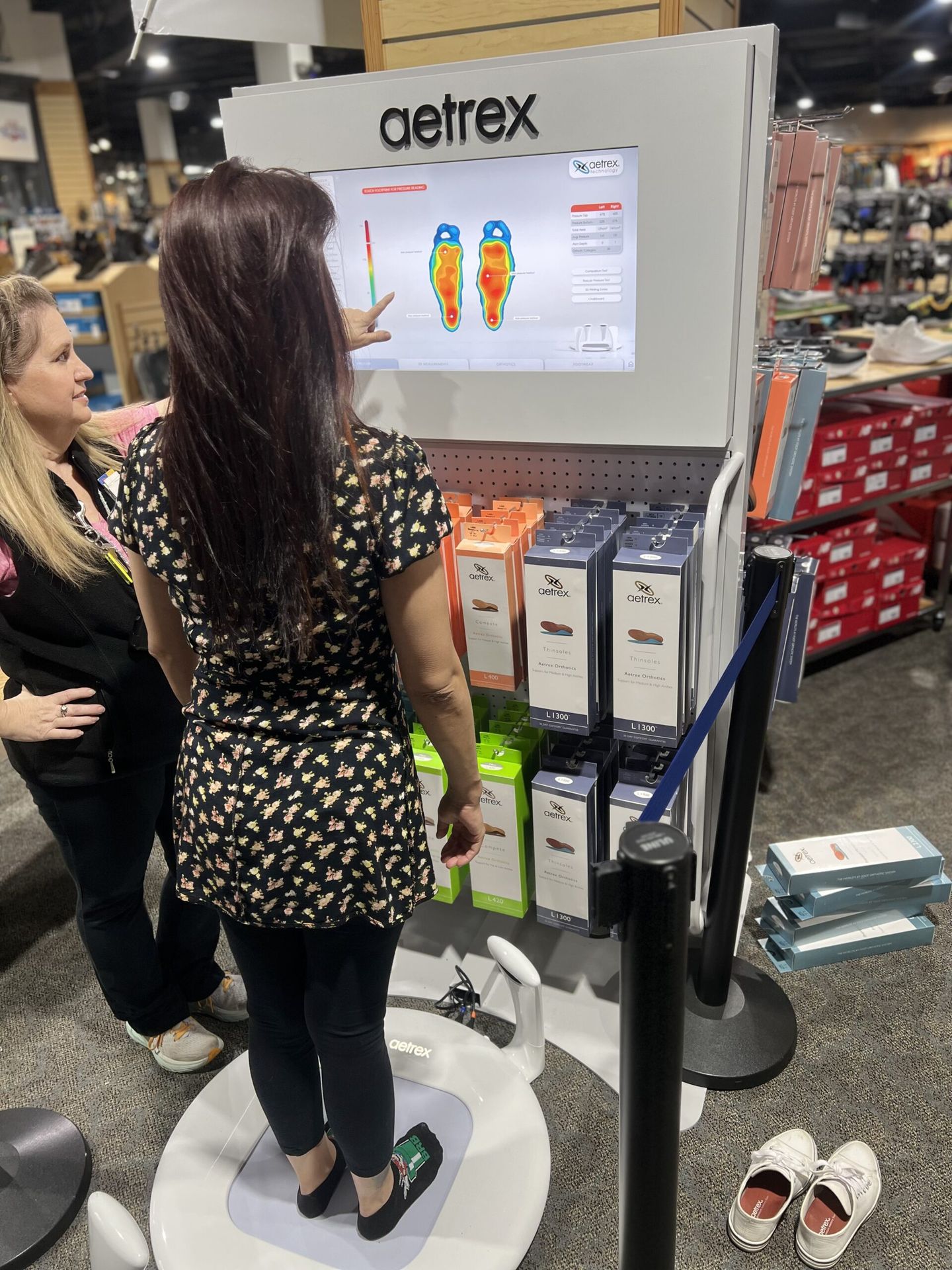
Pro Tip: Use Our ATREX 3D Foot Scanner Powered by AI
For the most precise fit, take advantage of our ATREX 3D foot scanner, powered by AI. This advanced technology measures your foot with incredible accuracy, capturing length, width, arch, and volume. With this data, our Outdoor Experts can help you find the perfect ski boot that hugs your foot in all the right places, ensuring maximum comfort and performance on the slopes.
Learn more in our guide, What is the Aetrex Foot Genius Scanner? Everything You Need to Know
How Should I Try on Ski Boots?
Trying on ski boots isn’t like slipping on sneakers. Here’s a step-by-step approach:
- Wear proper ski socks! Thin, wool, moisture-wicking socks are best.
- Put on the boots and stand up, flexing your knees slightly to let your heel settle into the back of the boot.
- Buckle the boots snugly. Start from the toe, then ankle, and finally calf.
- Walk around. Heel lift, pressure points, or pinching will reveal themselves.
How Should a Ski Boot Fit?
Remember, ski boots break in slightly, but they should feel snug from the start. Too loose and you lose control, making skiing more difficult and less safe. If the boots are too tight, your feet may ache, get cold, or even go numb. A properly fitted boot should feel secure, supportive, and evenly snug, providing both comfort and precise control as you ski. A well-fitting ski boot should:
- Hold your heel firmly without lift
- Wrap snugly around your midfoot and instep
- Apply gentle pressure on your toes without cramping
- Allow flexing forward comfortably
What’s the Difference Between Men’s and Women’s Ski Boots?
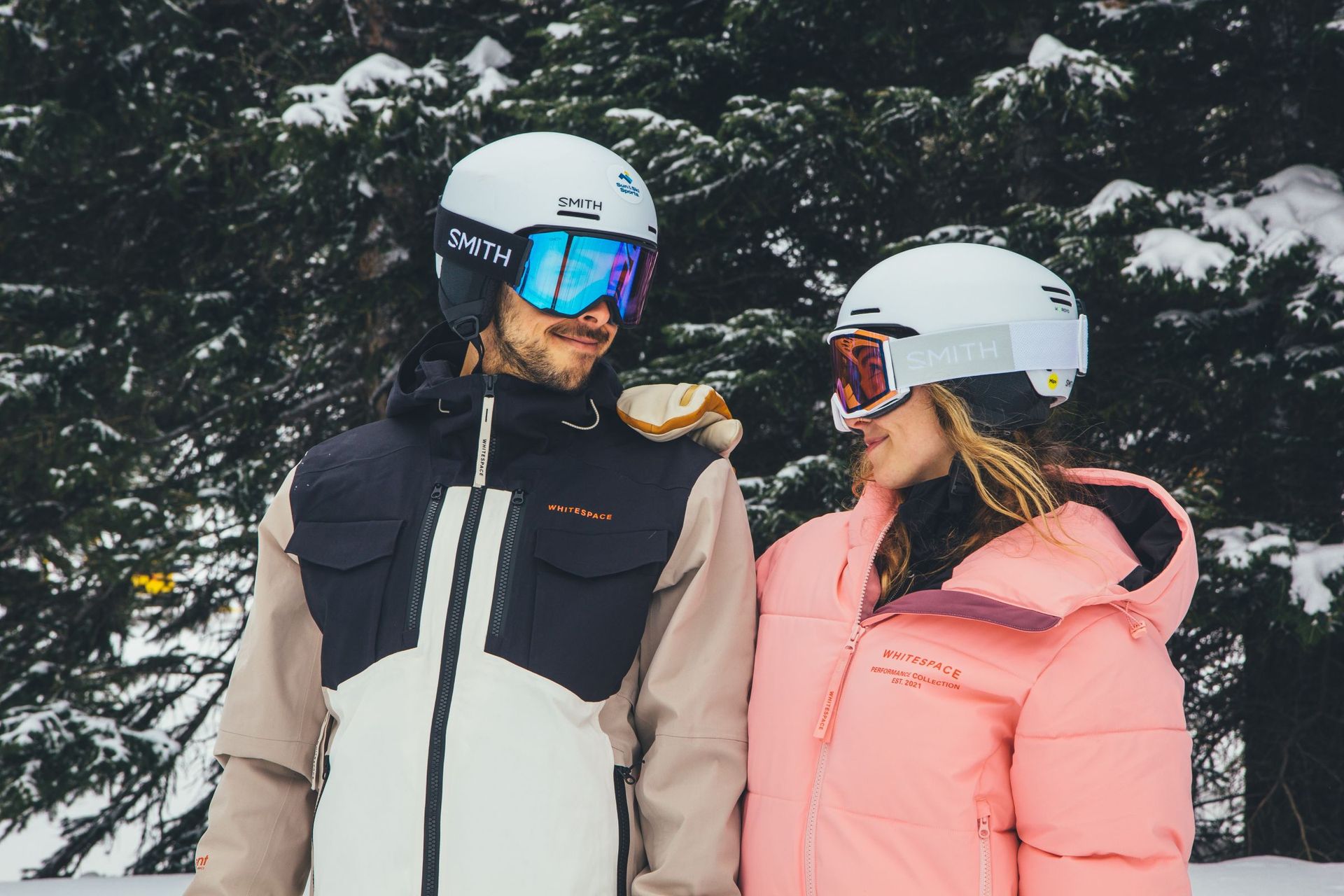
Men’s and women’s ski boots differ in shape, size, and flex. Women’s boots typically have narrower heels, lower calf areas, and softer flex to accommodate female biomechanics and body proportions. Men’s boots are generally wider and stiffer to accommodate larger feet and calves, though flex and fit preferences vary widely among all skiers.
Plenty of women choose men’s boots and plenty of men choose women’s boots. At the end of the ski day, what matters most is which boot fits your foot best, providing comfort, support, and performance on the slopes.
How Does Heat Molding Work for Ski Boots?
Many modern ski boots feature heat-moldable liners. Heat molding customizes the liner to your foot shape, providing:
- Improved comfort
- Reduced pressure points
- Better control
This process usually involves heating the liner in a special oven and then wearing the boot so it conforms perfectly to your foot. Our Outdoor Experts offer this service!
Do I Really Need Ski Socks?
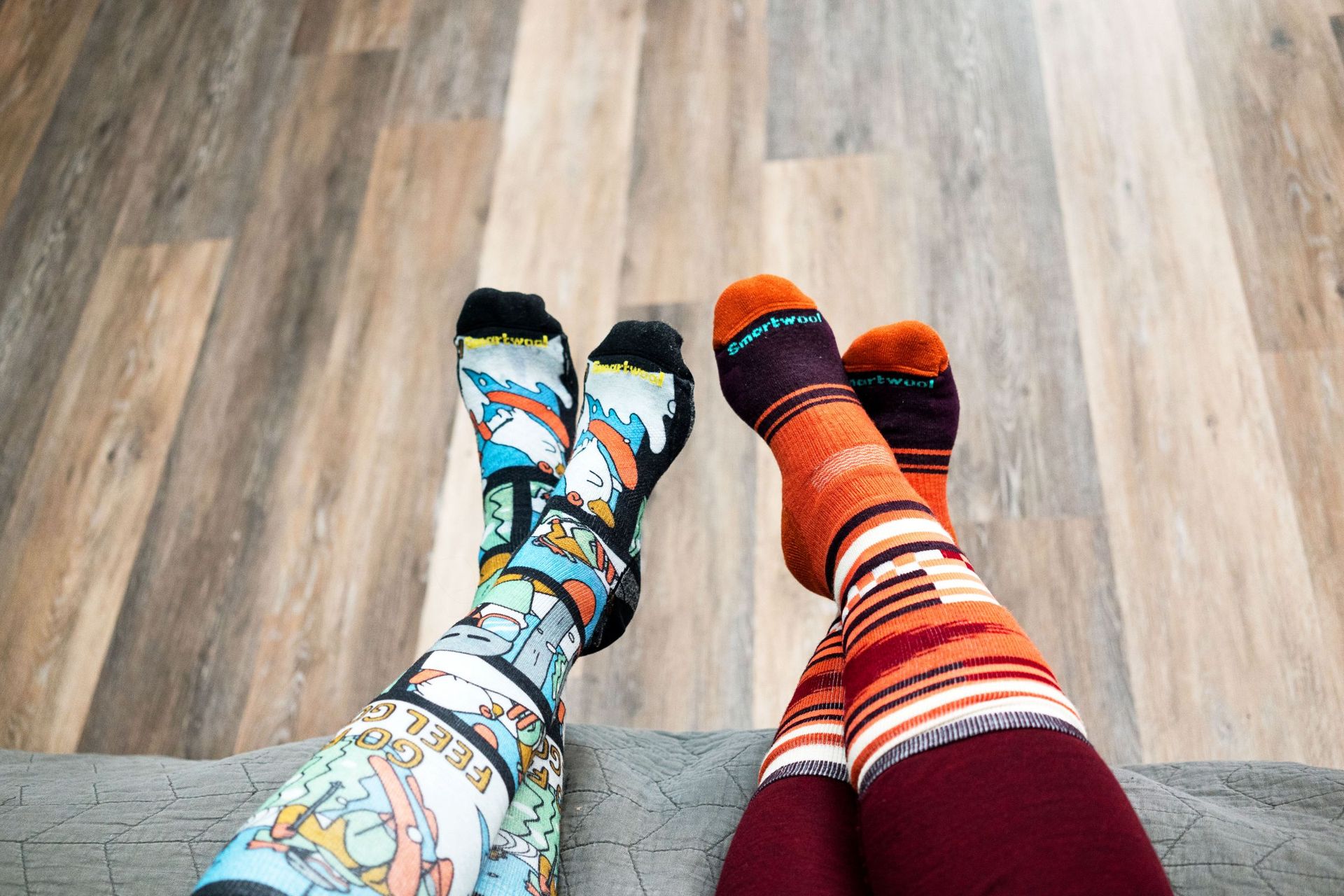
Yes! Ski socks are designed to keep your feet warm and dry while preventing friction inside the boot. Not wearing ski socks to the mountain is like not wearing a swimsuit to a pool. Impractical. Uncomfortable. Avoid cotton socks!! They trap moisture. Opt for thin or medium merino wool or synthetic blends for the best combination of warmth and fit.
Shop All Ski SocksWhat Are Common Ski Boot Fit Issues
Even with the right size, you might still encounter some common fit issues on the slopes! Proper fitting, heat-moldable liners, and the right ski socks will help mitigate these issues:
- Heel lift – This can cause blisters and reduce your control over the skis, making turns and stops less precise.
- Pressure points – Often caused by narrow or poorly shaped boots, these can lead to discomfort and hot spots that worsen over a day of skiing.
- Cold toes – Usually the result of poor circulation, overly tight boots, or damp socks. Cold toes can quickly ruin a day on the mountain if not addressed.
- Pain in the instep or calf – Sometimes your boots need padding, custom footbeds, or a different shell size to relieve pressure and improve comfort.
Pro Tip: To help prevent cold, numb toes, try unbuckling your boots right before you get on the ski lift, then buckle them again before you head down the next trail. A ski instructor friend shared this trick with me years ago, and it completely changed my skiing experience. It allows your feet to relax and restore circulation, keeping them warmer and more comfortable throughout the day.
What’s the Difference Between Ski Boots for Beginners vs. Experts?
The biggest indicator of which boots are for beginners and which are for experts is the flex. What’s the flex of a ski boot? The flex index measures how stiff or soft a ski boot feels when you lean forward. The higher the number, the stiffer the boot. Flex ratings typically range from about 60 to 130+ and are usually printed on the outside of the ski boot shell for easy reference. Keep in mind that flex is not standardized across all brands – what feels like a 100 flex in one brand may feel stiffer or softer in another. Try boots on in a skiing stance (knees slightly bent, leaning forward) to get a better sense of how the flex feels for you. Your weight, skiing style, and skill level all play a role in choosing the right flex.
- Soft flex (60–80): Best for beginners or lighter skiers who need forgiveness and comfort.
- Medium flex (90–110): Great for intermediate skiers who want a balance of control and flexibility.
- Stiff flex (120+): Designed for advanced or aggressive skiers who demand maximum precision and energy transfer.
How Long Does It Take to Break In Ski Boots?
Most ski boots take about 5 to 10 days on the slopes to fully break in. During this time, the liner compresses slightly to better match the shape of your foot. Heat-moldable liners can speed up the process significantly, creating a customized fit in just one session. While boots may feel snug at first, they should never be painful – if discomfort persists, visit Sun & Ski Sports for adjustments.
Should I Size Up or Down in Ski Boots?
You should never size up in ski boots. A snug, precise fit is essential for control, comfort, and safety. Ski boots are measured in mondopoint sizing (centimeters), so it’s best to get professionally measured to find your exact size. A boot that’s too big will cause heel lift and reduce control, while one that’s too small can cause pain and restrict circulation. The right fit feels snug but not painful—like a firm handshake for your feet.
How Do I Know If My Ski Boots Are Too Tight?
If your toes curl, your feet go numb, or you feel a pinching or burning sensation, your ski boots are likelytoo tight. You should feel light contact with the front of the boot when standing straight, but your toes should pull slightly away when you bend forward. Cold or tingly toes can also be a sign that your boots are overly tight or your buckles are fastened too firmly. A professional boot fitter can adjust liners, shells, or footbeds to improve comfort without sacrificing performance.
How Do I Pick the Perfect Pair of Ski Boots?
Choosing the right ski boots is about more than just size – it’s about finding the perfect match for your skill level, foot shape, and skiing style. Here are the most important factors to consider:
- Skill level – Beginners typically benefit from boots with a softer flex, which makes them easier to control and more forgiving as you learn. Intermediate and advanced skiers often prefer a stiffer boot, which provides more precision and responsiveness for aggressive turns and higher speeds.
- Foot shape – Everyone’s feet are unique. Pay attention to width (narrow, medium, or wide), instep height, and calf size. Boots that match your anatomy will feel more comfortable and improve performance. A boot that’s too wide or too narrow can cause pressure points, blisters, or loss of control.
- Skiing style – Your style of skiing matters when choosing boots. All-mountain skiers often want a balance of comfort and control. Freestyle skiers, who spend time in the park, may prefer boots with more flex for landing tricks. Racers usually require stiff, performance-focused boots that maximize energy transfer.
- Customization options – Many modern boots allow for personalized adjustments. Heat-moldable liners can shape to your foot, aftermarket footbeds can provide added arch support, and some boots feature adjustable flex to fine-tune performance. Investing in these options can make a big difference in both comfort and efficiency.
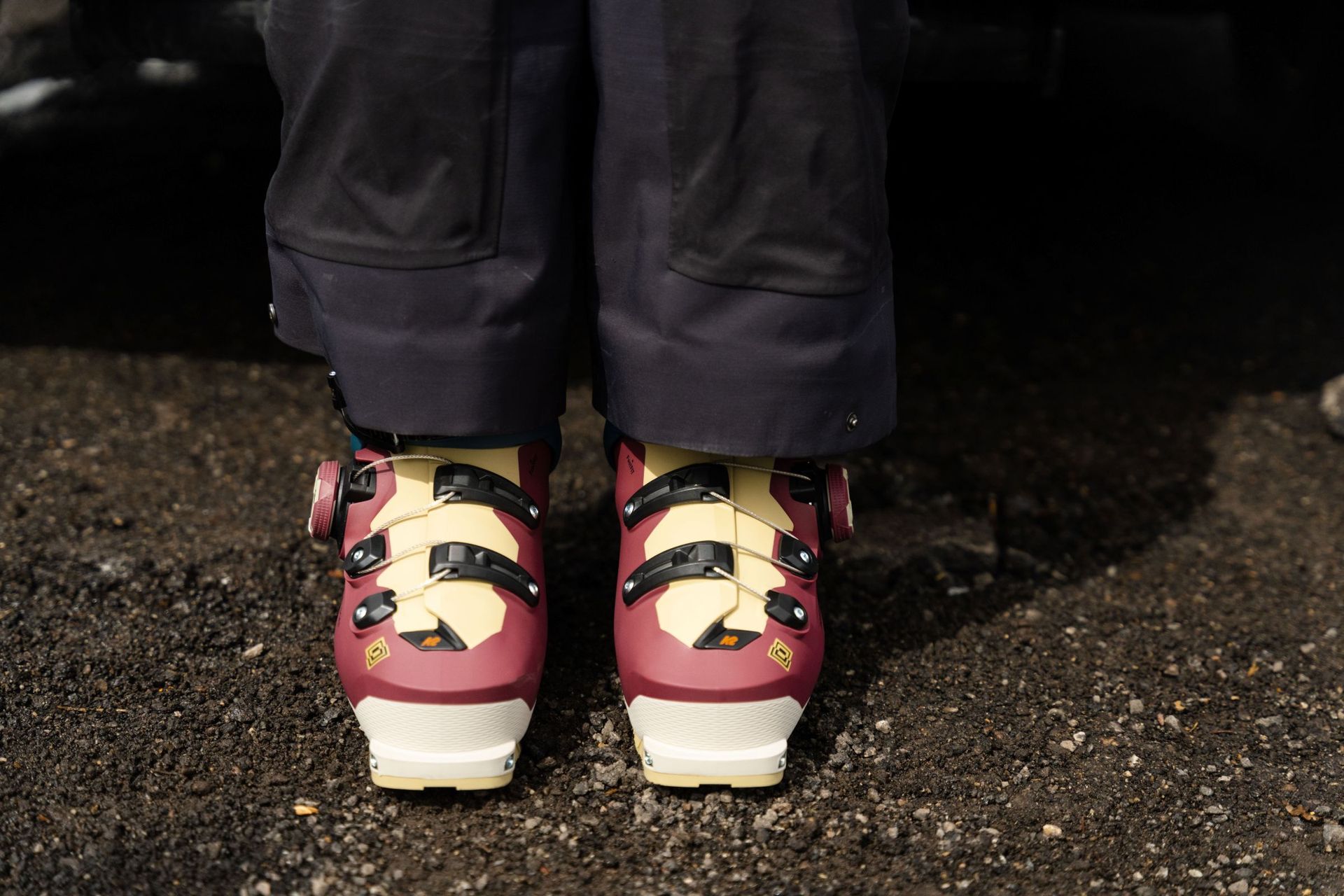
Always try on several models and brands, as each fits differently, even if the size is the same. Trust your comfort instincts and listen to your body. If the boots don’t feel good in the store, they won’t magically feel better on the mountain. A properly fitted boot can make long runs more enjoyable, helping you ski longer and with more confidence.
Get the Ultimate Ski Boot Fit at Sun & Ski Sports
We offer a wide selection of top-quality ski boots, professional fitting services, outerwear, equipment, and accessories to make your day on the mountain enjoyable. Every great pair of ski boots needs incredible skis to pair with – if you’re on the hunt for new speed sticks, check out our guide, How to Choose Skis: The Ultimate Buyer’s Guide. If you have questions, our Outdoor Experts can help you find boots and skis that match your style and skill!
A perfectly fitted ski boot is the key to both comfort and performance. From professional measurement to heat molding and choosing the right socks, every detail matters. Speaking of socks, the right pair can make a huge difference, our guide on Best Ski Socks for Warmth & Comfort: Sun & Ski Sports dives into everything you need to know. Invest the time in finding the right fit—it will transform your skiing experience!
At Sun & Ski Sports, we also provide a variety of ski shop services, from boot adjustments to ski tuning, to keep your gear in peak condition all season long. Visit a Sun & Ski Sports location near you to make this winter your best one yet!
Gear Up for Ski Season!
About the Author, Allie Cheney
Hello there :) Allie Cheney here! I'm a Texan turned mountain enthusiast with a twist. After a year of croissants and conjugations in France where I completed an MBA, I traded baguettes for mountain air and moved to Colorado. As a Copywriter and Content Creator for Sun & Ski Sports I'm thrilled to share my 6 years of outdoor industry knowledge with you! Living in a converted van, I'll be skiing along the Rocky Mountains and West Coast this winter. My aim is to deliver content that is not only accurate and genuine but also provides valuable knowledge and insights into your favorite hobbies, the latest trending styles, and cutting-edge products. Let’s explore together! For questions feel free to email me at ACheney@sunandski.com or contact an Outdoor Expert at any Sun & Ski Sports store location near you!