
How to Fit Snowboard Boots
Properly fitting snowboard boots are arguably the most important piece of gear in your entire setup. They’re the initial point of connection between your body and your board, and what allows you to maintain control when you’re carving a turn, slashing some powder, or boosting a jump.
The best snowboard boots are the ones you never notice, because they fit just right and do exactly what you need them to do without any foot pain. On the other hand, a poorly fitting pair of boots can turn a dream trip into a waking nightmare that has you limping through the resort village after ending your day early.
Everyone’s feet are a little bit different, so learning how your boots should fit is the first step in choosing a pair that enhances your riding experience. Let’s take a closer look at how to size snowboard boots, and some important things to watch for when trying them on.
Shop Snowboard BootsThe Importance of Getting Measured
One of the most common mistakes new riders make when trying on boots is assuming they should be wearing the same size as their everyday shoes. It’s normal for people to wear shoes that are a little bigger than their actual measured size, because casual shoes are more comfortable with a little bit of wiggle room. But when snowboard boots are too roomy, it can lead to a lack of control, premature fatigue, and even injury.
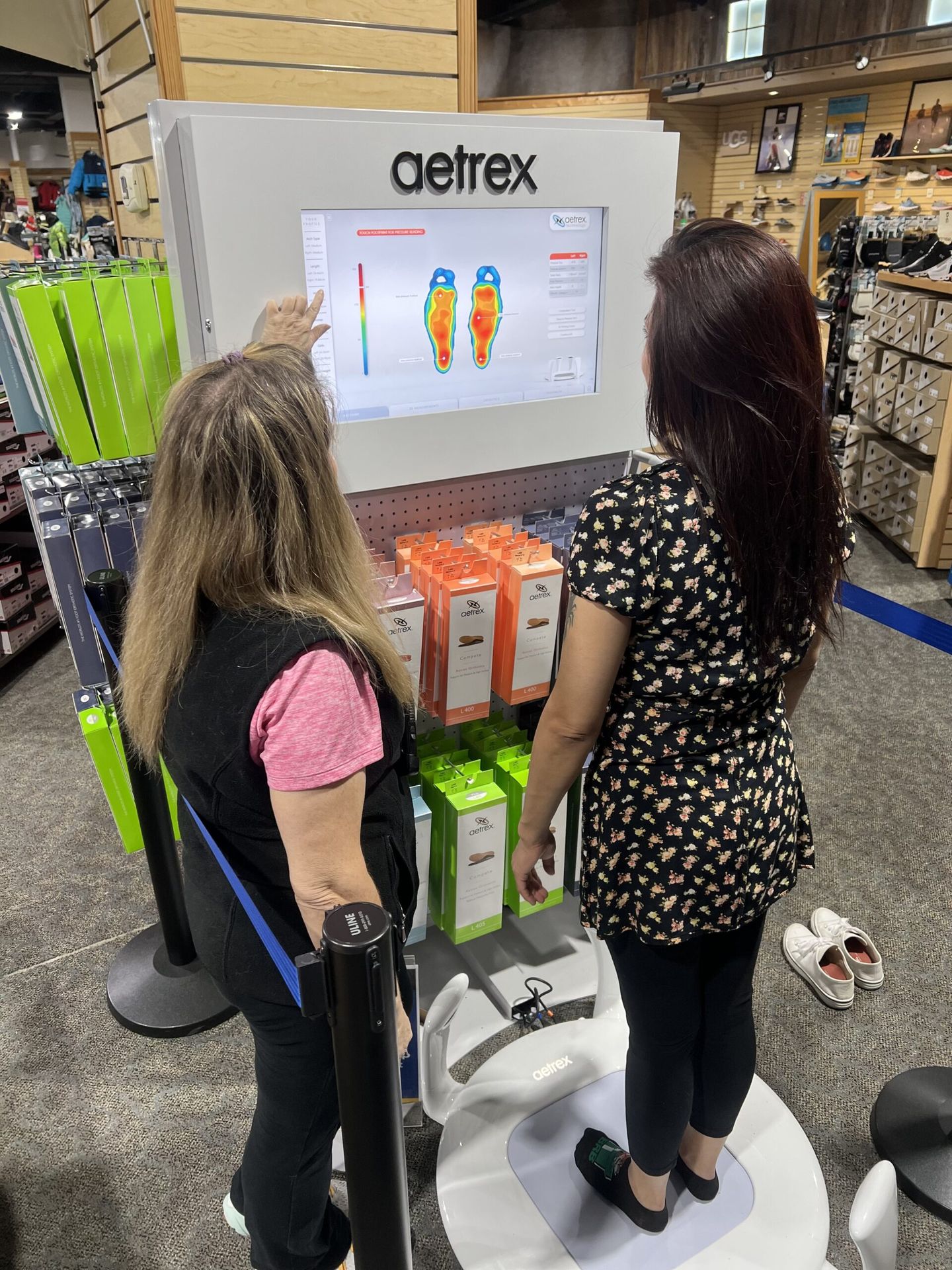
While you may end up wearing the same snowboard boot size as your normal shoes, it’s always a good idea to get your feet measured when shopping for high-performance footwear like snowboard boots—ideally by an experienced boot fitter. A traditional Brannock device still works fine to measure foot size and width, but higher-tech solutions have also become available.
At all our Sun and Ski Sports locations, we’ve added 3D foot scanners that can offer more advanced insights, and even recommend potential fit matches based on available inventory. If you’ve got a particularly wide or narrow foot, some brands or models may be a better fit than others.
How to Try on Snowboard Boots
Whether you’re trying on boots in one of our stores or at home after buying online, the process remains the same. Follow these steps to get an accurate idea of how the boot fits your feet.
- Try them on later in the day: Your feet naturally swell up a little bit as you walk around during the day, and it’s always wise to try on new boots when your feet are at their largest.
- Wear your riding socks: Be sure to wear the same socks you wear snowboarding—one pair of quality wool or synthetic socks. (If you’ve been wearing multiple pairs of socks to make up for uncomfortable boots, it’s time to break that habit!)
- Open the boot fully: Loosen the liner and shell lacing all the way down to the bottom of the boot, and remove any paper or cardboard from inside the liners. Open the boot as wide as you can before you put your foot into it.
- Insert and position your foot: Don’t freak out if the boot feels way too tight when you first slide your foot in—it’s all part of the process. Give the back of your heel a good whack against the ground from a seated position to securely position it in the heel pocket. This should relieve any pressure you’re feeling on your toes.
- Tighten the liner and shell: Tighten the boot’s inner liner until it’s snug, followed by the shell. You don’t need to make them as tight as you possibly can—the idea is to tighten them just as much as you need for a secure fit. Overtightened boots can cause pressure points or loss of circulation, even with an otherwise solid fit.
Snowboard boots come with a variety of lacing options, from Boa reels to quick-pull systems to traditional laces. If you’re not quite sure how a lacing system works, don’t hesitate to ask a boot fitter at one of our stores for help. For more detailed info on lacing systems, check out our guide on how to choose snowboard boots.
Pretend you’re shredding
While it’s tempting to walk around like you would when trying on any other pair of shoes, the way they fit in your “riding stance” is much more important. Stand with your knees slightly bent, and flex the boots like you would when strapped into your board, from toe to heel and tip to tail. (If you can strap into your actual board, that’s even better.)
How should a snowboard boot fit?
Once your heel is firmly locked in and the boot has been properly tightened, it should fit snugly everywhere except your toes. Your toes should be brushing the ends of the boot, but not smashed or curled up—you should still be able to wiggle them.
Watch out for any pinching or pressure points that cause you to lose circulation, especially on the top (instep) of your foot. If this happens, try loosening the laces and liner a bit. If the problem persists, you may need to try a different boot.
You also want your heels to stay in place when you lean your shins forward into the boot, like you would on a toeside turn. It’s still possible to forcibly yank your heels out of place, even in boots that fit well. But as long as they stay secure during the normal motions you make while riding, that’s what really matters.
The padding inside your snowboard boot liners can pack out up to a half-size, so it’s essential for them to fit snugly when new to avoid a sloppy fit once they break in.
What’s the difference between men’s and women’s snowboard boots?
Women’s snowboard boots are designed to accommodate a few key differences that can make a major difference in comfort and control. On average, women usually have narrower heels and feet than men, so women’s boots are built a little narrower to prevent heel lift and deliver a high-performance fit.
Shop Women’s Snowboard Boots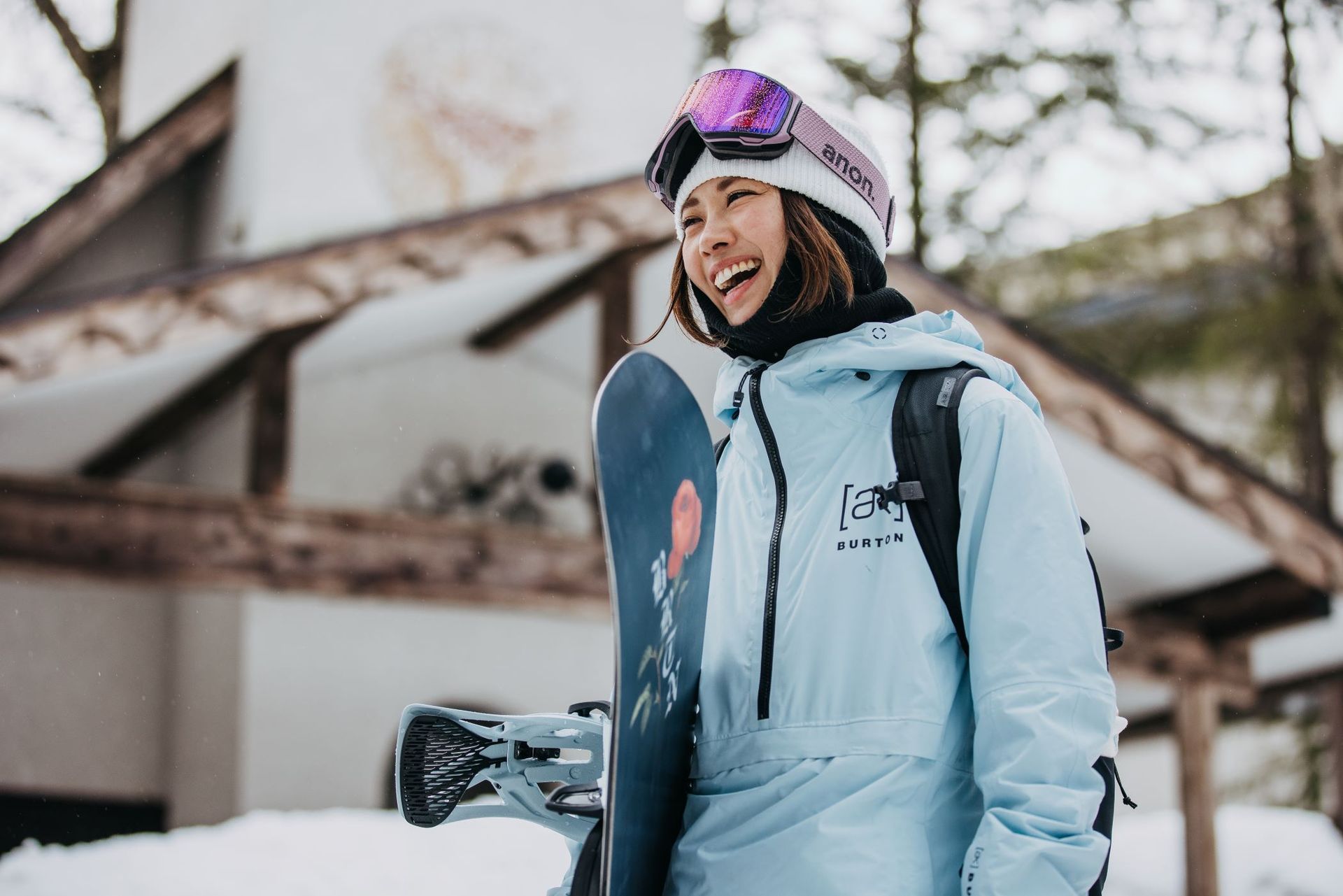
Women also tend to have lower calf muscles than men, which is why you’ll see a “notch” at the back of many women’s snowboard boots. This helps prevent calf pain, pinching, and chafing that can occur when the top of the boot is too tall for your calf shape.
Occasionally, men with very narrow feet may fit better in women’s boots. Similarly, women with particularly wide feet may fit more comfortably in a men’s boot–especially if they’re on the taller side and don’t have to worry as much about calf pinch. At the end of the day, how a boot fits your feet is more important than what it says on the box!
Our feet are under a lot of stress during athletic activities like snowboarding, and the generic insoles that come with most snowboard boots from the factory don’t offer very much support. This isn’t some evil scheme, though—people with the same shoe size can have very different arches, so it’s difficult for manufacturers to make a supportive insole that’s perfect for everyone.
Shop Men’s Snowboard BootsAdding a pair of properly sized aftermarket insoles to your snowboard boots can make a massive difference in both comfort and arch support. The right insoles can make your boots fit more comfortably, reduce fatigue, and give you greater control over your board. They’re one of the best upgrades almost any rider can make to their snowboard kit.
It’s important to make sure your insoles match the length and depth of your arches, which is where meeting with an experienced boot fitter can really help.
Shop InsolesHow does heat molding work for snowboard boots?
Many snowboard boot manufacturers use heat-moldable liners, which help speed up the break-in process for a more comfortable fit. Heat molding has its limits, though, and it’s not a miracle solution for a boot that fits badly. If your toes are mashed, you have severe pressure points, or you’re quickly losing circulation, don’t count on heat molding to fix the problem.
Some riders who spend a lot of days on the mountain choose to go without heat molding, since it can slightly speed up the process of your liners packing out. But if you want to get that broken-in feeling faster, heat molding your snowboard boots makes a lot of sense.
Do you really need snowboard socks?
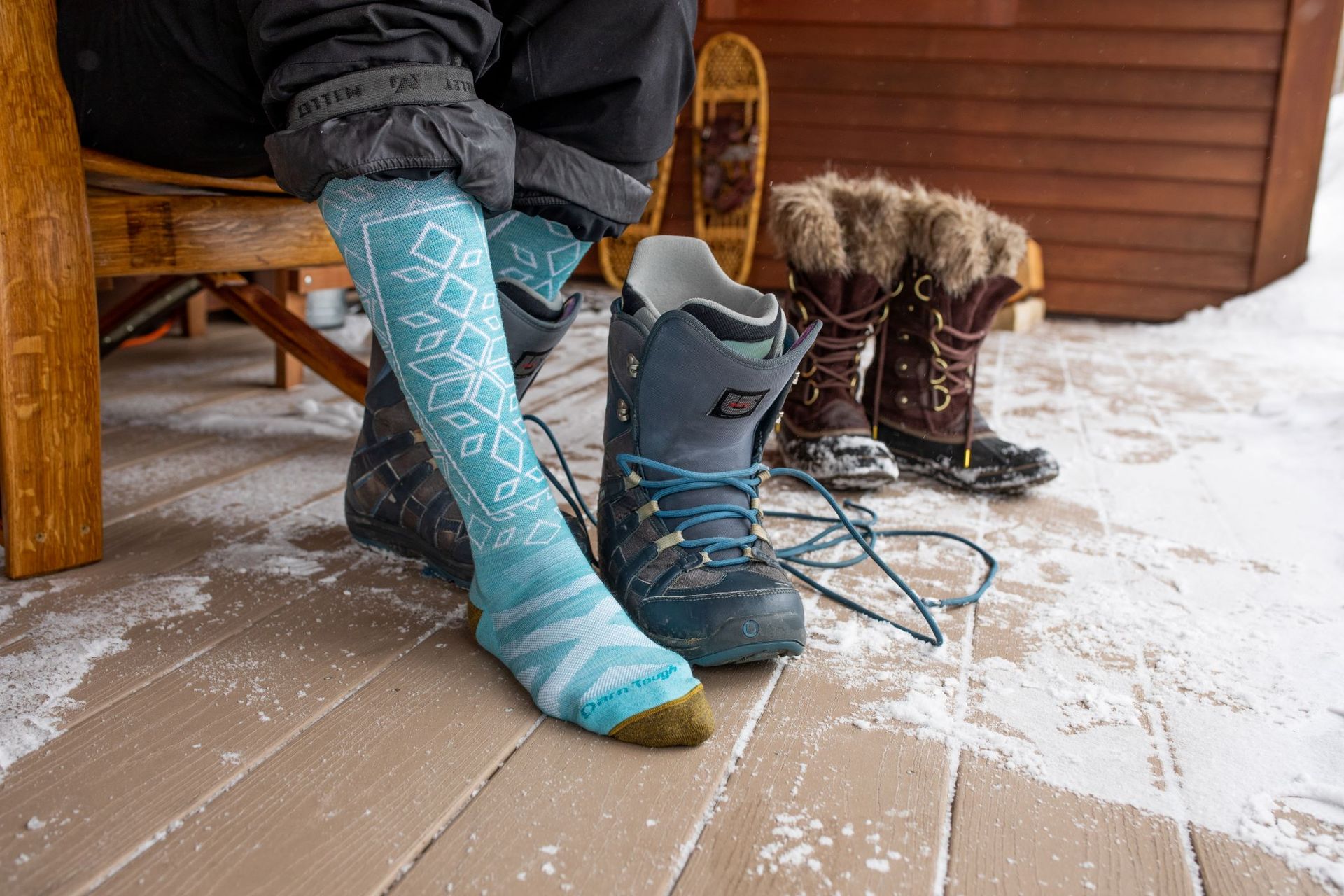
There’s an old ski-bum saying that “cotton is rotten”—especially for any piece of clothing that sits next to your skin (like socks). That’s because once cotton gets wet, it stays wet. Moisture-wicking materials like merino wool, polyester, or viscose make a huge difference in comfort during a day on the mountain, because they prevent you from getting sweaty, clammy, and eventually cold.
Like a good-quality base layer, snowboard socks help pull sweat away from your skin. Many of them also offer lightweight padding to help cushion traditional problem areas. You don’t need tons of cushioning from your socks, though. A light- to mid-weight sock should be plenty warm and comfortable for most riding conditions, assuming your boots fit properly.
Shop Snowboard SocksCommon Snowboard Boot Fit Issues
Oversized boots can cause your foot to slide around inside the boot or your toes to bang into the front of the liner, potentially leading to blisters, bruised toenails, or poor control.
Undersized boots can cut off your circulation or smash your toes, leading to pain, numbness, or compromised control when riding.
Heel lift can cause blisters, fatigue, cramping, or calf burn. If your heels are slipping but your boots fit well otherwise, it may be possible for a professional boot fitter to fix your heel lift by adding J-bars or heel wedges between the liner and shell of your snowboard boots.
Numbness or cold feet are usually due to a lack of circulation caused by poorly fitting or over-tightened boots. It seems counterintuitive, but switching to a lighter-weight sock can sometimes make your feet feel warmer because the lower-volume sock allows more blood flow.
Picking the perfect pair of snowboard boots
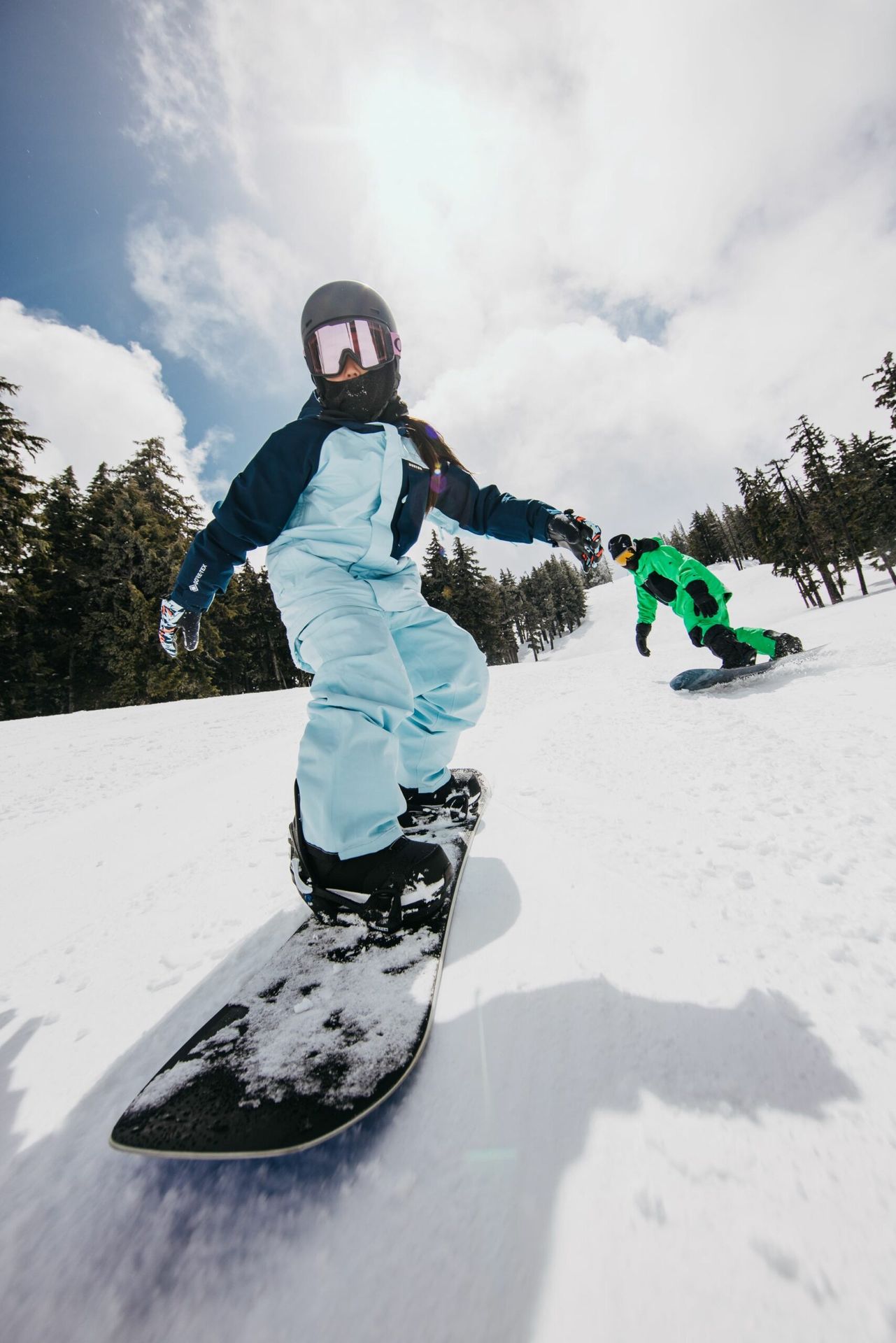
Sometimes, the stars align and the first set of boots you slide your feet into are obviously the answer. Other times, you’ll have to try on several pairs before you find the right fit for your feet. Stick with the process, take your time trying on boots, and don’t give up. Any time you spend dialing in the fit of your snowboard boots will pay off with fun and pain-free days on the mountain.
Find the best snowboard boots at Sun and Ski Sports
If you’ve got any questions about how your snowboard boots should fit—or you need some recommendations for boots that match your riding style—we’re always happy to talk about gear! Visit one of our 30+ store locations for advice from an expert boot fitter. See you on the slopes!
Shop All Snowboard Gear & Apparel
About the Author, Allie Cheney
What’s up?! I’m Allie, a Texan turned mountain enthusiast. After a year of croissants and conjugations in France, where I completed an MBA, I traded baguettes for mountain air and moved to Colorado. As a Copywriter and Content Creator for Sun & Ski Sports, I’m thrilled to share my 6 years of outdoor industry knowledge with you! Living in a converted van, I spend most of my time in the Rocky Mountains and West Coast. I aim to deliver content that is not only accurate and genuine, but also offers valuable insight into your favorite hobbies, the latest trending styles, and cutting-edge products.
Let’s explore together! For questions feel free to email me at ACheney@sunandski.com or contact an Outdoor Expert at any Sun & Ski Sports store location near you!