Winter adventures are calling and you still want to see the Northern Lights, snowy mountain passes, and frozen lakes. To see all this and more, it may be time for a winter road trip! As you’re planning this year’s holiday trip, consider these tips for your journey.
How to Pack
It’s hard to pack light when traveling in the snowy months, much less when you’re headed to ski or snowboard on the mountains. Even in areas where it may not be snowy, temperatures can be downright frigid during the winter months. If you are taking your adventures to the mountain, check out our winter packing list, so you don’t forget the essentials.
Layers
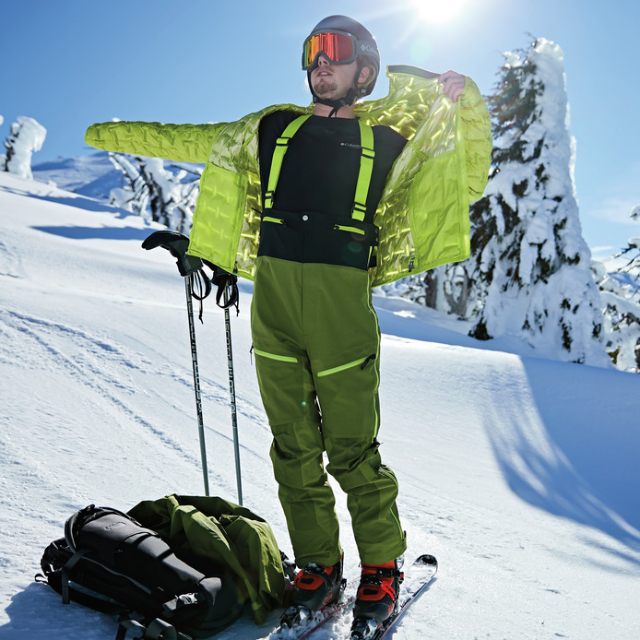
One way to pack light is to understand how to properly layer. We’ll quickly go through various layers you’ll need to stay warm and toasty.
- Base Layers – This layer should fit snug to your skin like leggings do. Base layers help wick moisture away from the body while creating that first layer of warmth. Besides your traditional base layer tops and bottoms, you also have socks and glove liners.
- Mid Layer – Mid layers should act as your insulation. This is where you can throw on your favorite hoodie or quilted pullover. Don’t forget to think about your neck when packing this layer!
- Outer Layer/ Shell – This should be your technical gear. The outer layer is the first line of defense when dealing with the elements. On cold days, it should help create a layer of warm air close to your body. At the same time, if it gets windy, make sure your layer can keep the wind from penetrating through you. This includes your snow jacket, snow pants, snow boots, a beanie, and gloves.
Gear
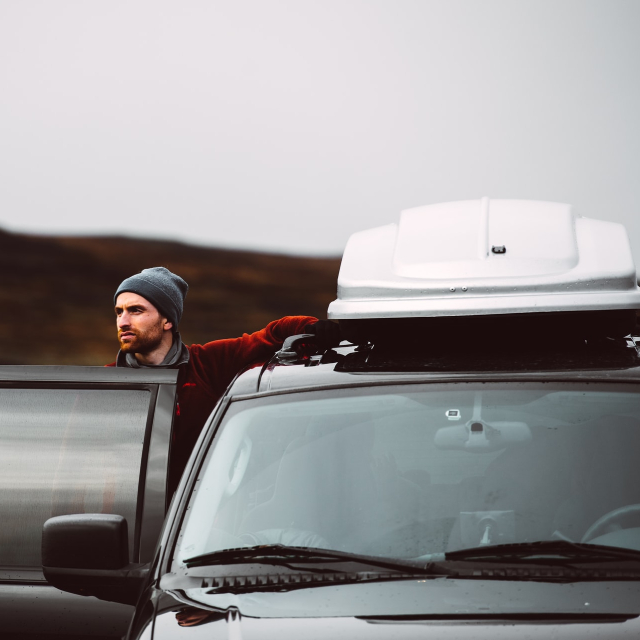
Skiing and snowboarding are gear-intensive activities. You need skis, snowboards, boots, bindings, poles, goggles, and helmets. If you are traveling with a group, before long, your vehicle might become a bit cramped as these items take up a lot of room. One way to help your winter road trip be as cramp-free as possible is to use a specialized bag to pack your skis, boards, boots, and extra gear. Or, use a specialized car rack or cargo box to free up space inside the vehicle.
Where to Go
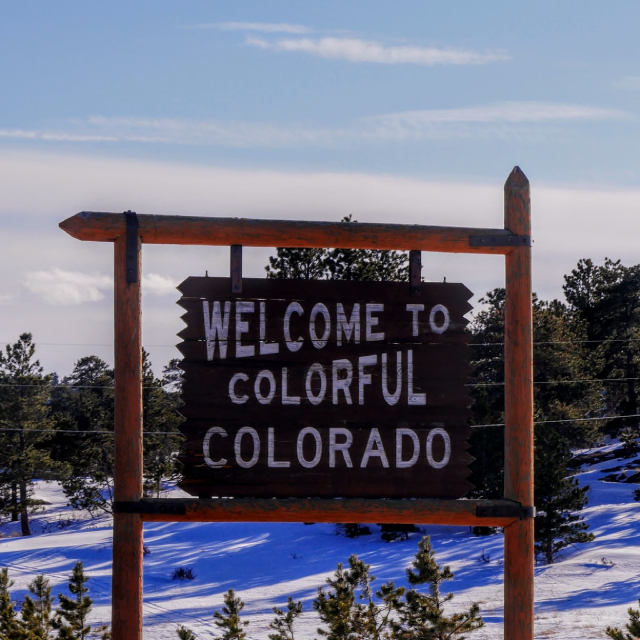
The saying goes that “it’s not about the destination, but the journey.” However, for you to have a great winter road trip, the destination is important! Where will you be going? What will you do once you get there? For those who don’t already have a destination in mind, here are a couple of places you might consider.
State or National Parks
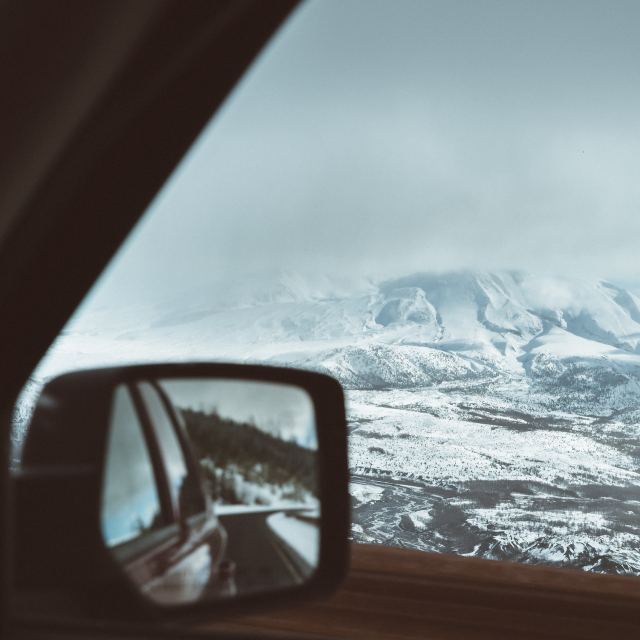
Whether you go to a local state park or a national park, you’ll be sure to see amazing things. Imagine going through and seeing the amazing scenery at the Grand Canyon or finding some solitude at Zion National Park. At any park, you’ll have a variety of activities including hiking, biking, camping, and more! Before you go, check your local state parks or national parks websites for park hours and availability as some activities require reservations or permits which can sometimes be booked solid months in advance!
Skiing or Snowboarding
One of our favorite things to do is to go skiing or snowboarding. Nothing can beat the feeling of going down the mountain, hearing the whistling wind, and seeing your ski or snowboard create tracks in fresh snow. We love it so much, we’ve highlighted a few places you can go in our blog post about Exciting East Coast Ski Resort Opening Dates for 2022-23 Season and Exhilaratingly Early 2022-23 Ski and Snowboard Season Opening for Western US Ski Resorts. Besides skiing or snowboarding, you have other activities such as snow tubing and snowmobiling. Before you go, keep yourself updated on current policies and practices mountain resorts have put in place to keep you safe.
En Route
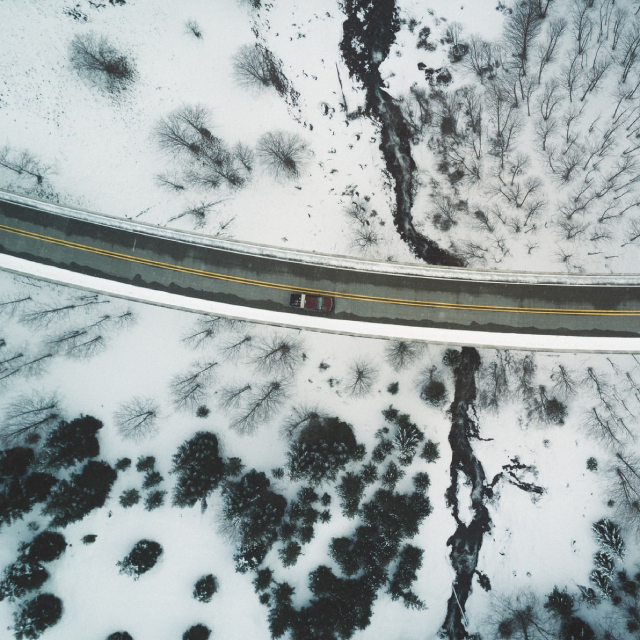
You’re almost ready to take on the open road! Before you leave, make sure you are comfortable driving in the snow. Not everyone has experience driving in icy conditions, and ignorance of the risks could lead to extreme danger. Beyond driving cautiously and being aware of your surroundings, here are a few key points to remember.
- Accelerate and decelerate slowly– Avoid quickly accelerating and decelerating. This will help prevent wheel slippage and potentially losing control of your vehicle.
- Follow at a distance of 5-6 seconds– This will give you enough buffer to react to both conditions and potential obstacles.
- Know your brakes & practice using them on safe, snowy roads before setting out– By practicing, you’ll have a better understanding of the limitations of your vehicle. If you hit an icy patch, don’t panic or slam on the brakes. Hitting the brakes when you’re on ice causes you to lose control. You need to keep your vehicle going as straight as possible by turning your wheel into the spin.
- Don’t charge up hills & don’t stop halfway up- When going up a hill, take it slow so your tires don’t spin and your engine doesn’t rev too hard. Don’t stop on the hill, as that can cause your vehicle to get stuck or begin to roll backward.
- Have the right tools- If your tires get stuck in the snow, you can use dirt, a wide strip of cardboard, or even kitty litter to help them regain traction. You should also keep a small shovel in your car to help you clear the bulk of the snow away from your tires. Most people have an ice scraper to clear off their windshield, but an often-overlooked aspect of safe winter driving is clearing the snow off the roof of your vehicle. Use your shovel or a snow brush to periodically clean off the top of your vehicle or cargo box. Snow flying off the back of your vehicle can hit the cars behind you, and snow sliding forward over your windshield can obscure your view of the road ahead.
For more resources on driving in icy conditions, check out a few other articles from Outside Online or Business Insider.
Last but not least, don’t forget your favorite road trip snacks and car activities if kids are in tow! If a winter road trip in the car isn’t for you, we’ve got you covered. There’s plenty of local activities you can do, such as running, camping, and hiking. There’s an adventure out there for everyone! For more advice on your next winter activity, visit your nearest Sun & Ski Sports.