
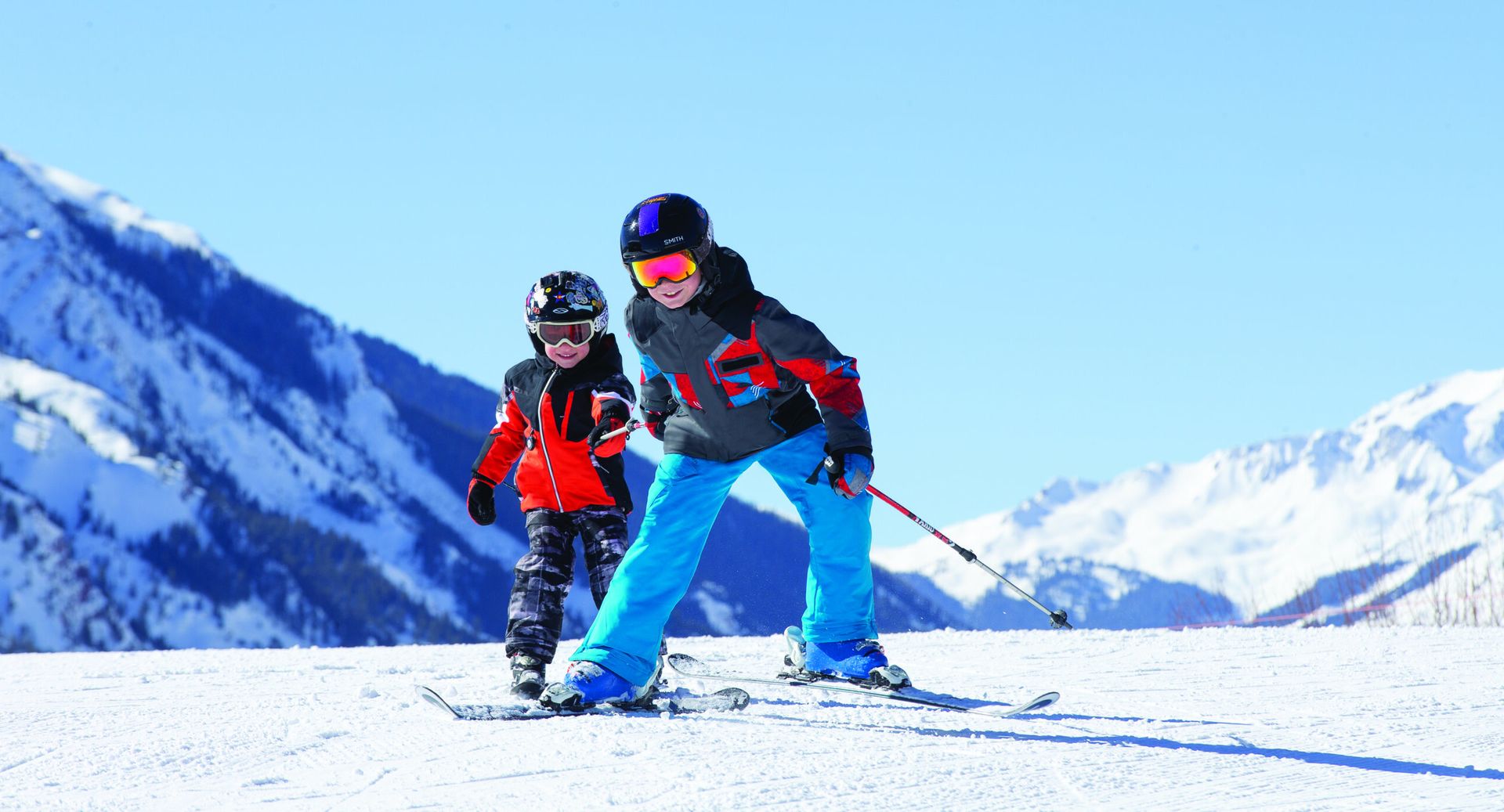
If you’ve been thinking about trying skiing but aren’t sure where to start, you’re in the right place. This guide covers everything a first-time skier needs to know, from choosing the right gear and clothing to learning how to stop, turn, and ride the lift with confidence. We’ll walk through the skiing basics that will save you time (and a few bruises), share mountain safety tips that most beginners overlook, and help you plan a ski trip that sets you up for success rather than frustration. If you’ve never touched a pair of skis or you tried once and want a better experience the second time around, this is the resource you’ll wish you had before your first day on snow.
There’s nothing quite like the rush of cruising down a mountain. The crisp air filling your lungs, the crunch of powder beneath your skis, the feeling that you’re truly alive in a winter wonderland. Skiing is one of those sports that can feel intimidating before you even clip into your bindings, but here’s the truth: almost everyone starts as a beginner, and with the right gear, outerwear for men, women, and kids, a few solid tips, and a willingness to fall (and get back up), you’ll be cruising down the slopes in no time. That moment when it all clicks and you’re making your first turns down a gentle slope with the mountain stretching out in front of you? That’s the moment you understand why millions of people fall in love with this sport every season.
Table of Contents
- Why Skiing Is the Perfect Winter Sport for Beginners
- Essential Ski Gear for Beginners
- What to Wear on the Slopes
- Skiing Basics: Foundational Skills Every Beginner Needs
- How to Use the Ski Lift
- Ski Tips for Staying Safe on the Mountain
- Should You Take a Ski Lesson?
- Preparing Your Body for a Day on the Slopes
- Altitude Awareness: What Every Beginner Skier Should Know
- Choosing the Right Ski Resort for Beginners
- Planning Your First Ski Trip
- Make Your First Ski Trip One to Remember
Why Skiing Is the Perfect Winter Sport for Beginners
Here’s a big one that surprises people: skiing is one of the most accessible winter sports out there. Sure, it looks intense when you watch experienced skiers carving steep runs or launching off jumps, but the beauty of skiing is that every mountain has terrain designed specifically for beginners. Bunny slopes and gentle green-rated trails exist for exactly this reason, giving novice skiers a safe, low-pressure environment to learn the basics before progressing to more challenging terrain.
Beyond the physical thrill, skiing is a sport that brings people together. Whether you’re planning a winter trip with friends, a family getaway, or a solo adventure to try something new, a day on the mountain creates memories that stick. And unlike some sports that require years of development, most first-time skiers can make it down a beginner run by the end of their first day. That sense of accomplishment is hard to beat.
The best part? Once you build those foundational skills, you carry them with you season after season. Skiing is a lifelong sport, and your first day on snow is just the beginning.
Essential Ski Gear for Beginners
Having the right gear can make all the difference when you’re learning to ski. You don’t need to buy everything upfront, but understanding what equipment matters (and why) will set you up for a much more comfortable and enjoyable experience on the mountain.
Skis
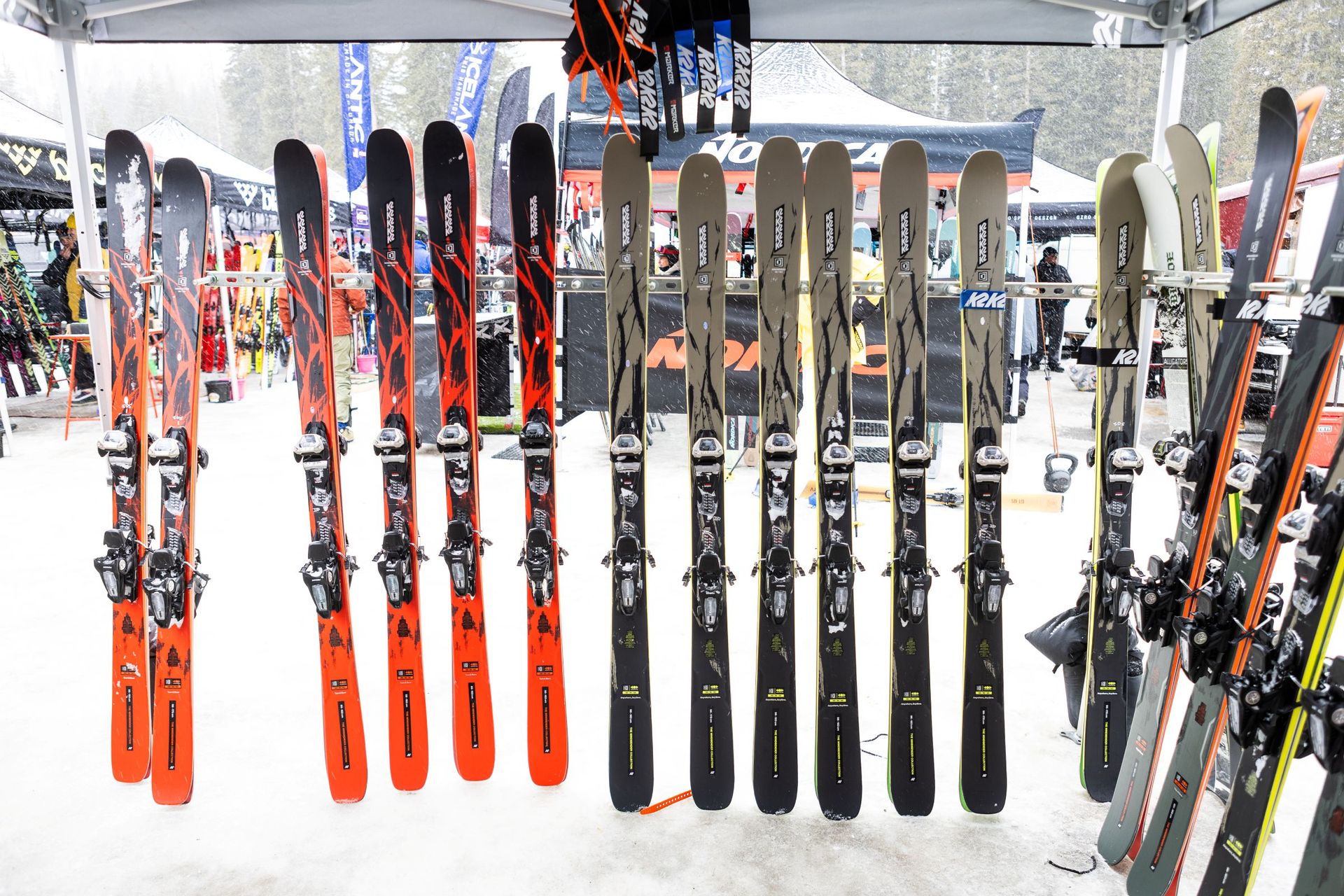
When choosing skis as a beginner, look for shorter lengths that reach somewhere between your nose and chin. Shorter skis are easier to control and make turning much more intuitive, which is exactly what you want when you’re still building confidence. Beginner-friendly skis are also designed with softer flex patterns and wider turn radii, making them more forgiving as you develop your technique. If you’re not ready to commit to a purchase, renting ski equipment is a smart and economical option that lets you try different setups without the investment. It’s advisable to reserve rental equipment in advance to secure the best availability and ensure your size is ready when you arrive.
Ski Boots
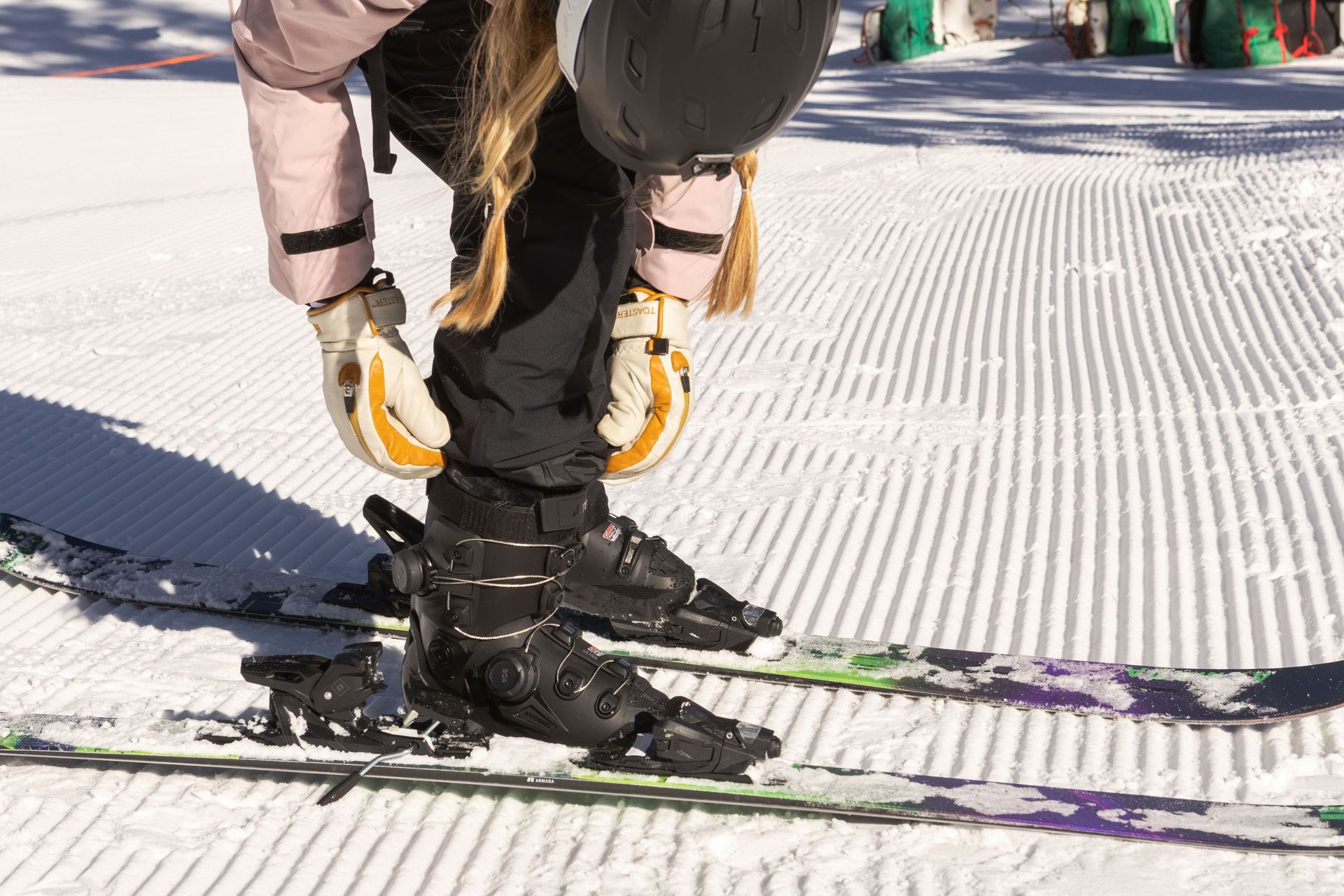
Your ski boots are arguably the most important piece of equipment you’ll wear. A properly fitted ski boot gives you the control and responsiveness you need to steer, stop, and feel stable on the slopes. Here’s a common mistake many beginners make: wearing multiple pairs of socks. It sounds like it would keep your feet warmer, but it actually restricts circulation and makes your feet colder. Stick with one pair of thin, moisture-wicking ski socks and make sure your boots fit snugly. Millimeters matter with ski boots, so bring the same socks you plan to wear on the mountain when getting fitted. Our Outdoor Experts at Sun & Ski Sports can help you find the perfect boot fit at any of our 30+ locations.
Ski Poles
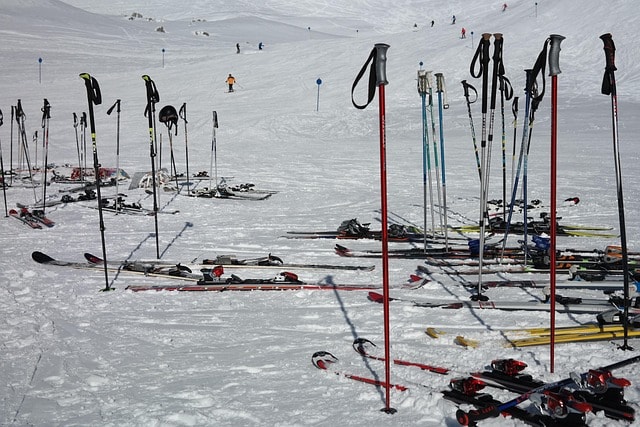
This one might surprise you: beginners are better off starting without ski poles. As a former certified ski instructor, I often taught first-timers to leave the poles behind so they could focus on balance, edge control, and proper stance without the distraction. Poles can become a crutch (literally) that slows your progress, because new skiers tend to lean on them or drag them behind instead of developing strong lower-body technique. Once your turns feel natural and your foundational skills are solid, poles can be introduced to improve rhythm and timing. If you want to learn more about when to add poles to your setup, check out our full guide on ski poles for every experience level.
Helmet
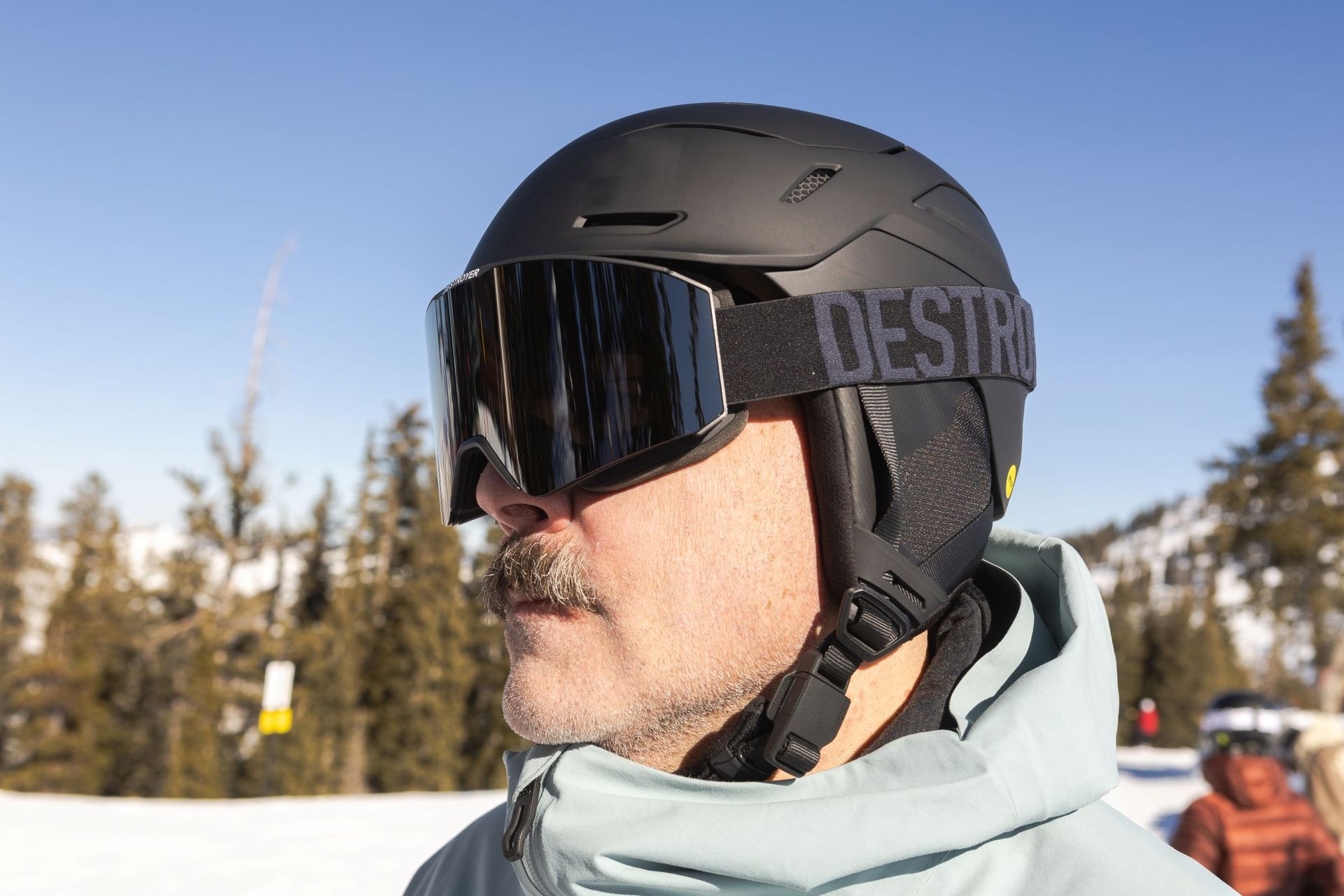
A helmet is non-negotiable. Wearing one can reduce head injuries by up to 60%, and every ski resort will strongly recommend (or require) helmets for all skiers. Make sure it fits securely, doesn’t wobble, and feels comfortable with your goggles. Safety should always come first, especially when you’re still getting the hang of things. Look for helmets with adjustable ventilation so you can regulate temperature throughout the day as the weather shifts.
Goggles
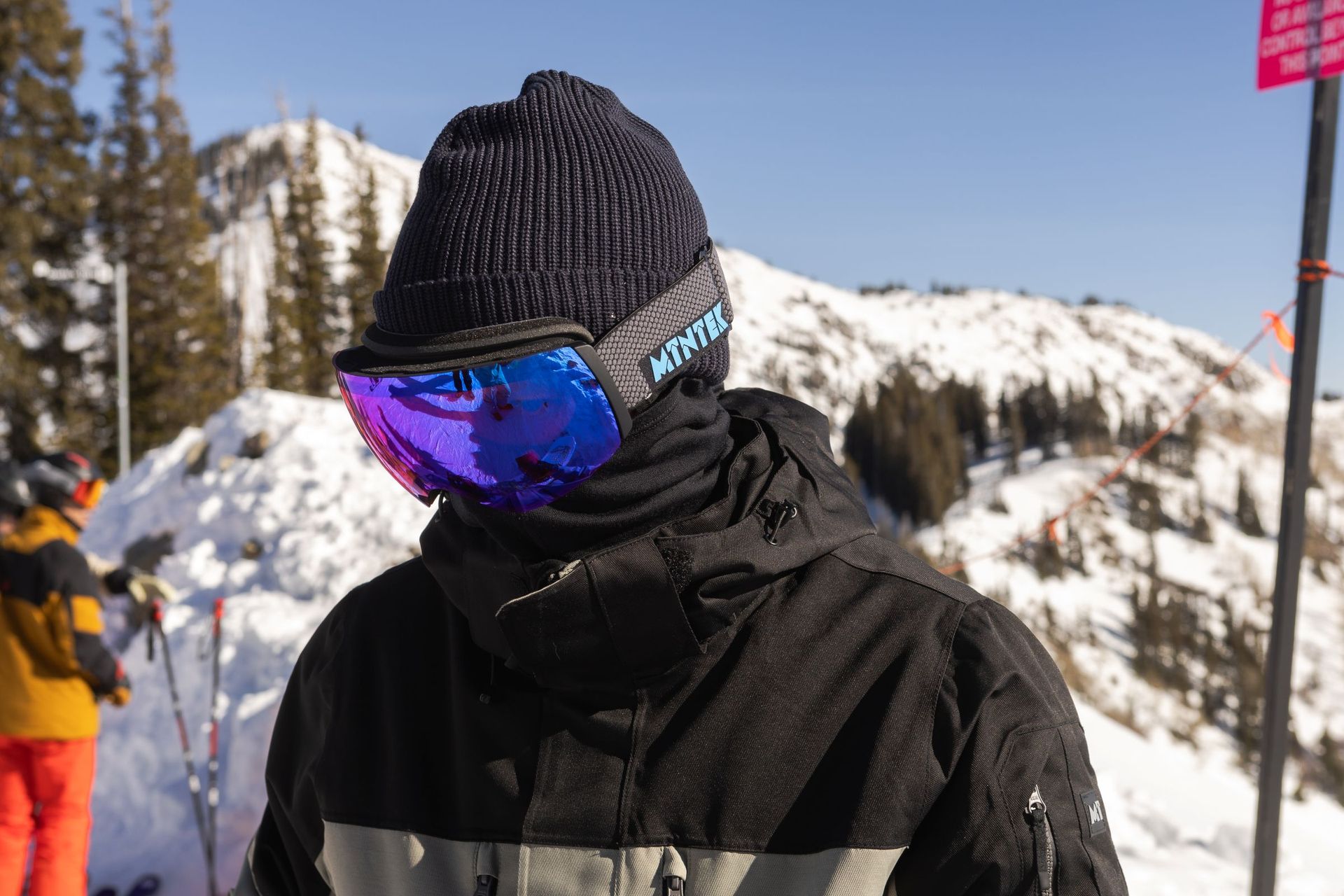
You’ll want to buy goggles before your trip rather than trying to get by with sunglasses. Not only do they protect your eyes from wind, light, and blowing snow, but they also dramatically improve visibility on the mountain, especially on overcast days when flat light can make it difficult to read the terrain. Look for goggles with anti-fog lenses and UV protection, and make sure they’re compatible with your helmet for a snug, gap-free fit.
What to Wear on the Slopes
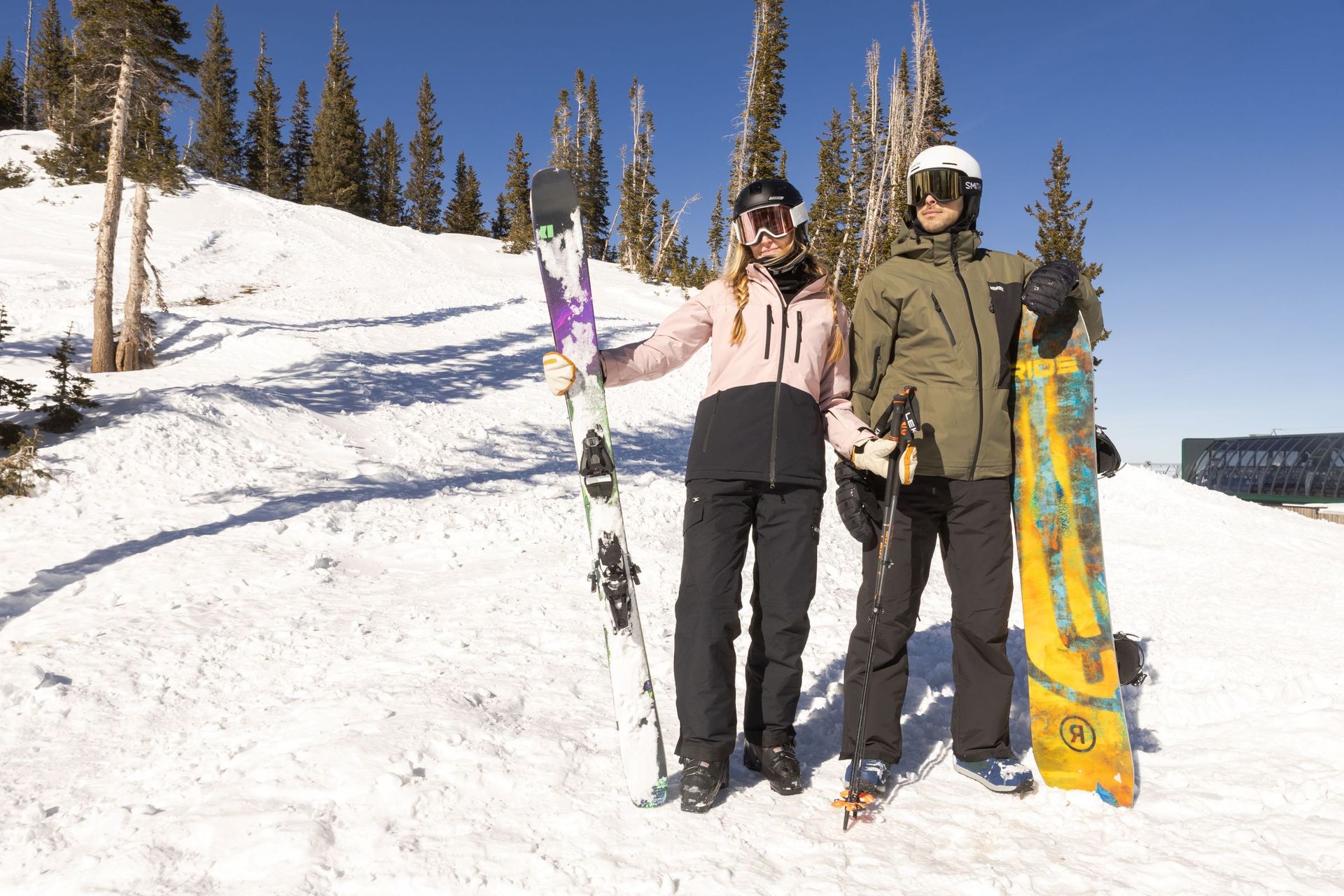
Knowing what to wear is just as important as knowing what equipment to bring. Mountain weather can shift quickly, and the difference between a great day and a miserable one often comes down to your clothing choices. The key principle is layering: multiple lighter layers give you far more flexibility than one heavy layer, because you can add or remove pieces as conditions and your body temperature change throughout the day.
Base Layers
Start with moisture-wicking base layers that sit close to your body. These pull sweat away from your skin and keep you dry, which is crucial for staying warm. Merino wool and synthetic fabrics are both excellent choices. Avoid cotton at all costs because it absorbs moisture and will leave you feeling cold and clammy, which is the fastest way to end your ski day early.
Mid Layers
A good mid layer provides insulation and traps body heat between your base layer and your jacket. Fleece pullovers, lightweight down vests, or synthetic insulated jackets all work well depending on the weather and how cold you tend to run. The goal is warmth without bulk, so you can still move freely and stay comfortable throughout the day.
Ski Jacket
Your ski jacket is your first line of defense against the elements. Look for a jacket that is water-resistant (aim for a waterproof rating of at least 10,000mm), breathable, and allows for layering underneath. Features like a powder skirt, helmet-compatible hood, ventilation zippers, and thumb slots in the sleeves all add comfort and performance on the slopes. A quality jacket shields you from biting wind, blowing snow, and freezing temperatures so you can focus on having fun rather than counting down the minutes until you’re back inside the lodge.
Ski Pants
Ski pants should also be water-resistant and fit well to prevent snow from sneaking inside, especially after a fall (and you will fall, which is totally normal and part of the process). A good pair of ski pants with sealed seams and a comfortable fit will keep you warm and dry all day. Look for options with reinforced cuffs at the ankles to protect against wear from your boot edges.
Gloves, Accessories, and Sun Protection
Wearing gloves or mittens is essential for keeping your hands warm while skiing. Look for insulated, waterproof options that still allow enough dexterity to grip your poles and adjust your gear. Cold hands can ruin an otherwise perfect day on the mountain, so don’t underestimate this one. Mittens tend to be warmer because your fingers share heat, while gloves offer more precision, so choose based on your priorities and how cold the weather is expected to be.
Don’t forget the extras that make a big difference in comfort: a neck gaiter to block wind, lip balm with SPF to protect against chapping, and sunscreen. Yes, apply sunscreen. The sun at high altitudes is intense, even in winter, and the reflection off the white snow amplifies UV exposure significantly. Apply it to any exposed skin before heading out, and reapply throughout the day. Bring a water bottle in your jacket or backpack as well, because staying hydrated is one of the most overlooked aspects of a comfortable day on the mountain.
Skiing Basics: Foundational Skills Every Beginner Needs
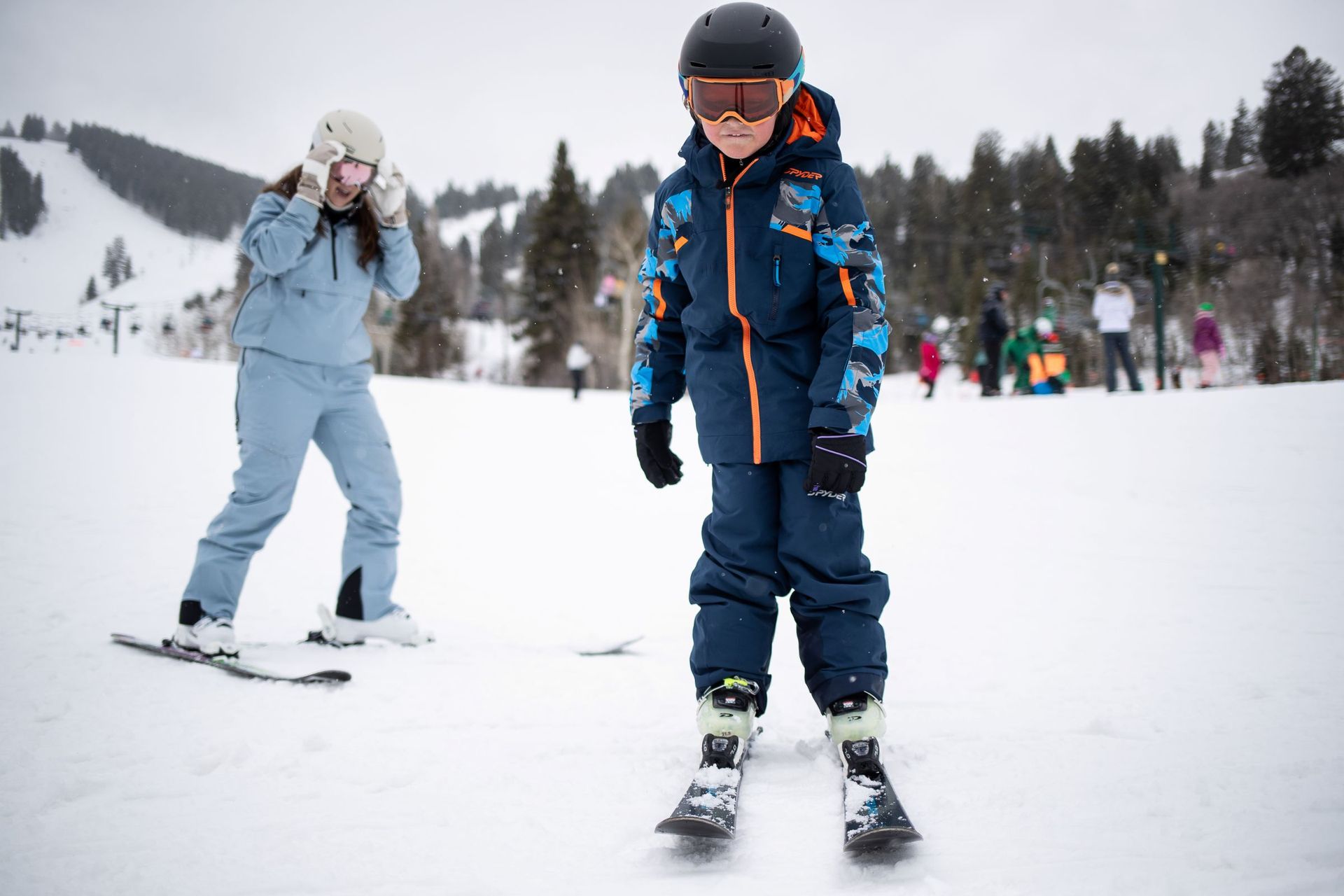
Now for the fun part. Learning to ski is really about getting comfortable with your equipment, learning to stop, turn, and ride the lift. It sounds simple, and with a little patience, it truly is.
The Proper Stance
A good skiing stance starts with your knees slightly bent, feet about shoulder-width apart, and your weight centered over your skis. Keep your hands forward and your body relaxed. One of the most helpful ski tips for beginners is to always look ahead in the direction you want to go, rather than staring down at your skis. Your body will naturally follow where your eyes lead, so picking a point ahead of you and skiing toward it will make your movements feel smoother and more controlled.
How to Stop: The Pizza Technique
The pizza technique (also called the snowplow) is the easiest and most reliable way for beginners to stop while skiing. Point the tips of your skis toward each other to form a wedge shape (like a pizza slice) and apply gentle pressure to the inside edges of both skis. The wider your “pizza,” the more you’ll slow down. It might feel a little awkward at first, but it works, and it’s the foundation for building speed control that will carry into your intermediate skiing.
How to Turn
To turn while skiing, shift your weight to the ski opposite the direction you want to go. If you want to turn left, put more pressure on your right ski, and vice versa. Practice making wide, sweeping turns on gentle slopes to build your control and confidence before attempting anything steeper. As you progress, your turns will become tighter and more responsive, and eventually you’ll transition from the pizza wedge into smooth parallel turns.
Getting Up After a Fall
Falls happen to everyone, from the first-timer on the bunny slope to the expert in the backcountry, so knowing how to get up efficiently will save you energy and frustration. If you fall, take a moment to collect yourself before trying to stand. Roll onto your side, position your skis downhill and perpendicular to the slope so they don’t slide, push yourself up onto your knees, and use your hands/core for support. Don’t rush it. Take a breath, check that your gear is in place, and go when you’re ready.
How to Use the Ski Lift
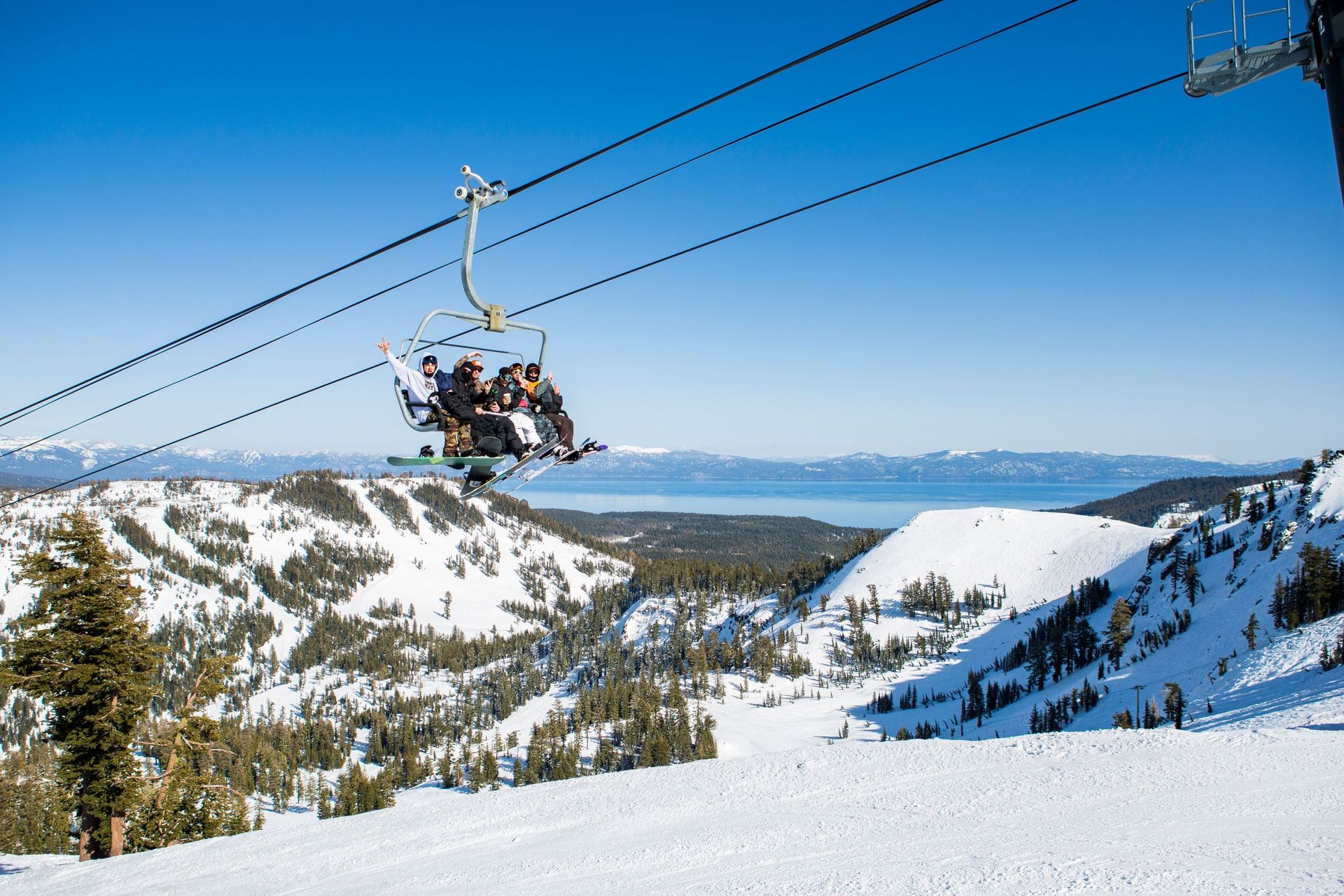
Using the ski lift for the first time can feel a bit daunting, but it’s actually much easier than it looks, and after a couple of rides, it’ll feel like second nature.
When it’s your turn, shuffle into position and look over your shoulder for the approaching chair. Sit down as it arrives and let it carry you uphill. Keep your ski tips pointed up and avoid dragging them on the ground. When you reach the top, point your skis forward, stand up as the chair pushes you from behind, and glide off the ramp to the side. If you stumble getting off, don’t panic. Lift operators see this all day long and are there to help. Just move out of the path of the next riders and you’re good to go.
A quick tip: it’s advisable to carry a resort map with you or download one from the resort’s website before you arrive. This makes navigating the mountain, locating beginner-friendly trails, and avoiding closed trails much easier, especially at larger ski areas where it’s easy to accidentally end up on a run that’s above your skill level.
Ski Tips for Staying Safe on the Mountain
Safety should always be a priority, whether it’s your first day or your hundredth. Every ski resort will have an outlined set of mountain safety rules, and it’s worth familiarizing yourself with them before you ride your first lift.
Stick to trails suited to your skill level. Trail signs are there for your safety, and paying attention to them, especially those indicating trail difficulty, keeps you out of challenging terrain you’re not ready for. Green circles mark beginner runs, blue squares indicate intermediate, and black diamonds are for advanced and expert skiers. Start on easy terrain and gradually progress to more challenging terrain as your confidence and skills grow.
Be aware of other skiers and snowboarders around you. As the skier heading downhill, you have the right of way, but that doesn’t mean you shouldn’t be watching for others. Give beginners extra space, always ski in control, and never stop in the middle of a trail where you can’t be seen from above. If you need a break, pull off to the side where you’re visible and out of the flow of traffic.
Should You Take a Ski Lesson?
Short answer: absolutely. Learning to ski with a professional instructor can make a world of difference for beginners. I can’t recommend this enough. Ski school programs and professional ski instructors teach proper techniques, help you avoid developing bad habits early on, and build your confidence faster than trying to figure it all out on your own or relying on a well-meaning friend who may not know how to teach effectively.
Even just one or two lessons can dramatically accelerate your progress. A certified instructor will assess your comfort level, break down the foundational skills into manageable steps, and give you real-time feedback that speeds up your learning curve. Most ski resorts offer group lessons (which are more affordable and a great way to meet other beginners) as well as private and semi-private options for a more personalized experience. If budget is a concern, even a single half-day lesson on your first morning can set you up with the basics you need to practice confidently on your own for the rest of the trip.
Preparing Your Body for a Day on the Slopes
Skiing is physically demanding, and your body will feel it, especially if you’re new to the sport. A little preparation before your trip can go a long way toward making your days on the mountain more enjoyable and less sore.
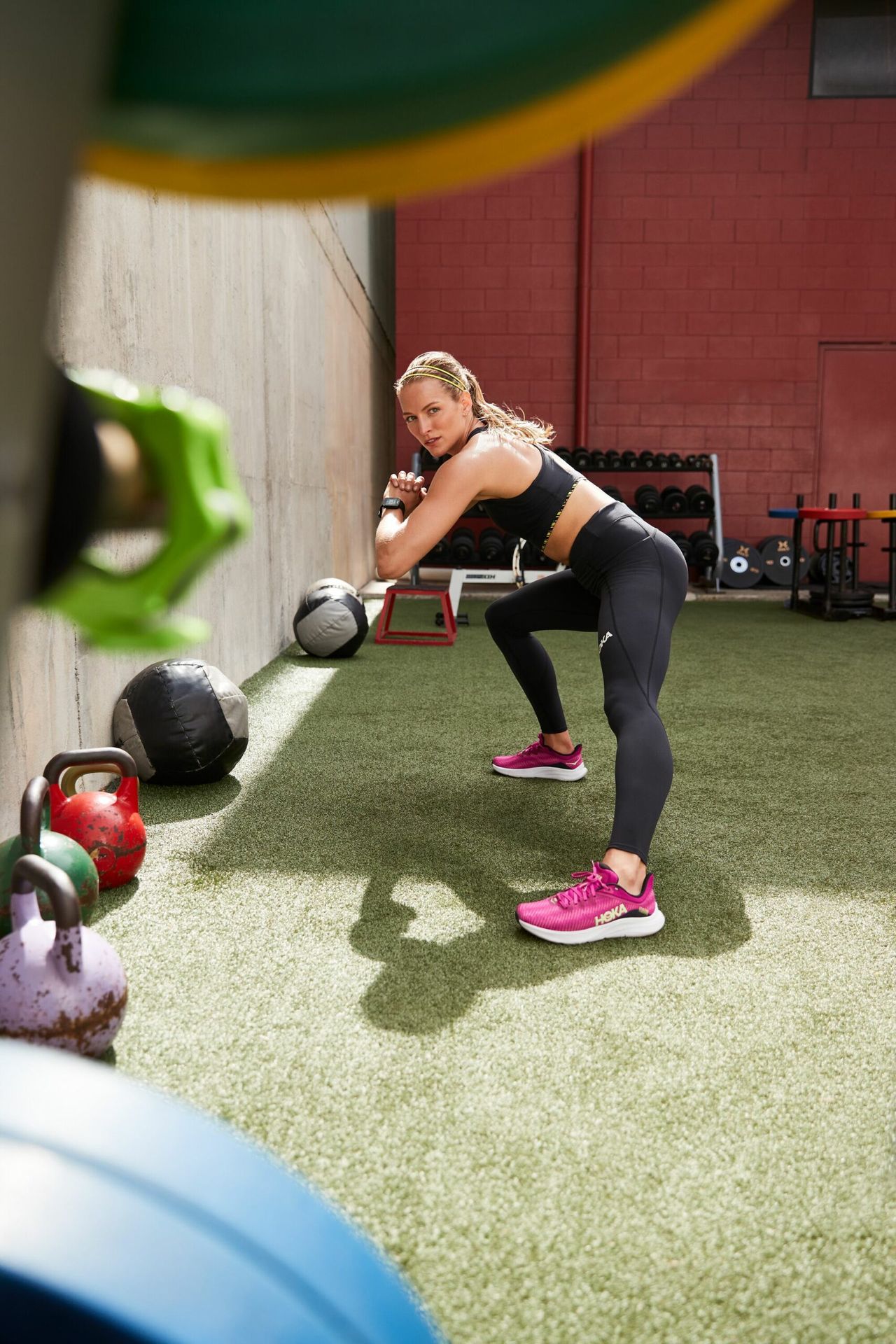
Light cardio and stretching exercises like squats, lunges, and leg presses will help build the endurance and lower-body strength you need for skiing. Even a few weeks of consistent exercise before your ski trip can make a noticeable difference in how you feel on the hill. Your quads, hamstrings, and glutes do the heavy lifting when you’re skiing, so targeting those muscle groups ahead of time pays off quickly.
Don’t skip your warm-up on the mountain either. A few minutes of stretching before your first run loosens up your muscles, gets blood flowing, and helps prevent injury. Cold, tight muscles are more prone to strains, especially when you’re learning and your body is making unfamiliar movements.
Staying hydrated on the slopes is extra important because of the combination of physical exertion, cold dry air, and altitude. Your body loses moisture faster than you might realize, and dehydration can sneak up on you because you don’t feel as sweaty as you would during warm weather exercise. Drink water consistently throughout the day, not just when you feel thirsty. Incorporating slow-releasing carbohydrates, proteins, and healthy fats in your meals before and during your ski day will also give you the sustained energy you need to keep riding all afternoon without hitting a wall.
One more thing: try to avoid excessive coffee or alcohol while you’re on the mountain. Both can exacerbate altitude-related issues and dehydrate you faster, which is the opposite of what you need when you’re working hard at elevation.
Altitude Awareness: What Every Beginner Skier Should Know
If your ski trip takes you to a mountain resort at high elevation (which many of the best ski areas in Colorado and Utah are), altitude is something to be mindful of. The higher you go, the less oxygen there is to breathe, which means your body has to work harder to get the oxygen it needs to function normally. For many first-time skiers traveling from sea level or lower elevations, this adjustment can catch you off guard.
Symptoms of altitude sickness include headaches, nausea, loss of appetite, and difficulty sleeping. The good news is that most people adjust within a day or two. To help your body acclimate, drink plenty of water, get adequate rest, and eat carbohydrate-rich foods. Plan to take it easy your first day at altitude and don’t push yourself too hard on the slopes until you’ve had time to adjust. Some skiers find it helpful to arrive a day before they plan to ski so their body has a full night to begin acclimating. Your body will thank you, and you’ll have more energy for the days that count.
Choosing the Right Ski Resort for Beginners
Not all ski resorts are created equal when it comes to learning, and the resort you choose can genuinely shape your entire first experience with the sport. The best resorts for beginner skiers offer dedicated beginner terrain, quality ski school programs, and a welcoming atmosphere that makes novice skiers feel comfortable rather than overwhelmed by advanced riders flying past them.
Look for resorts that have clearly marked beginner areas separated from advanced terrain, patient and certified instructors, magic carpet lifts or gentle chair lifts for easy access to learning zones, and a reputation for being family-friendly. Some resorts even offer free or discounted lift passes for beginners on their lower slopes, which is a great way to practice without the pressure of paying full price while you’re still on the bunny slope.
From hitting the Rocky Mountains, a cozy East Coast resort, or somewhere in between, choosing the right mountain can set the tone for your entire experience.
Planning Your First Ski Trip
A little planning goes a long way when it comes to making your first ski trip smooth and stress-free. Beyond choosing a resort and booking your lodging, think through the details that will make your days on the mountain easier.
Reserve your rental equipment in advance online rather than waiting until you arrive. This guarantees availability in your size and saves time on what can be a hectic first morning. If you’re renting from Sun & Ski Sports, you can get fitted at a store near your home and then pick up the equipment at a location near your mountain destination, which eliminates the hassle of trying to get sized while the rest of your group is eager to hit the slopes.
Book your ski lessons early as well, especially during peak season and holiday weeks when instructors fill up fast. Plan your days with built-in breaks for lunch, hydration, and rest. Most beginners find that a half day of skiing is plenty for the first day or two, and there’s no shame in calling it early when your legs tell you they’re done. Pushing through fatigue is when most injuries and frustration happen.
Pack smart by laying out your gear the night before so mornings are easy. Keep your lift ticket, trail map, sunscreen, lip balm, and snacks in accessible jacket pockets. Don’t forget to hydrate!
Make Your First Ski Trip One to Remember
Learning to ski is one of the most rewarding things you can do in winter. Yes, there will be falls. Yes, your legs will be sore. But the moment it all clicks and you’re cruising down a gentle slope with the mountain air in your face and nothing but white snow ahead of you, you’ll understand why this sport hooks people for life.
The key is preparation: the right gear (no ski poles!), the right resort, and the right mindset. Don’t be afraid to ask for help, take a lesson, and go at your own pace. Skiing is a journey, not a race, and every expert on the mountain started exactly where you are now.
Before you hit the slopes, make sure you’re equipped with everything you need for a safe, comfortable, and fun day on the mountain. You can find all your ski essentials at Sun & Ski Sports in-store at one of our 30+ locations or online, so you’re ready to make your first day on snow your best day yet. Our Outdoor Experts are passionate about helping beginners gear up with confidence, and we can’t wait to get you out there. See you on the mountain!
Shop Ski Essentials for Beginners
About the Author, Allie Cheney
Hello there :) Allie Cheney here! I'm a Texan turned mountain enthusiast with a twist. After a year of croissants and conjugations in France where I completed an MBA, I traded baguettes for mountain air and moved to Colorado. As a Copywriter and Content Creator for Sun & Ski Sports I'm thrilled to share my 6 years of outdoor industry knowledge with you! Living in a converted van, I'll be skiing along the Rocky Mountains and West Coast this winter. My aim is to deliver content that is not only accurate and genuine but also provides valuable knowledge and insights into your favorite hobbies, the latest trending styles, and cutting-edge products. Let’s explore together! For questions feel free to email me at ACheney@sunandski.com or contact an Outdoor Expert at any Sun & Ski Sports store location near you!