
Electric bikes, also known as ebikes, are rapidly changing the way people think about cycling. Once considered niche, electric bikes are now widely used for commuting, fitness, recreation, and even replacing short car trips. For many riders, they remove the biggest barriers to cycling: steep hills, long distances, and physical strain.
If you're new to ebikes, getting started can feel overwhelming. There are different styles, features, and price points to consider. That’s where this beginner ebike guide comes in. Below, we break down everything you need to know so you can confidently choose your first eBike and get riding.
Table of Contents
What Is an Electric Bike (eBike)?
How Do Electric Bikes Work?
What Are the Three eBike Classes?
How Much Do eBikes Weigh?
Battery Range and Distance
How Much Does an eBike Cost?
Mobility Benefits and Accessibility
Types of Electric Bikes: Finding the Right Fit
Features and Accessories to Enhance Your Ride
Best Electric Bikes for Beginners
What Helmet Should You Wear for an eBike Ride?
Best Bike Racks for eBikes
Convenient Shopping with Buy Online, Pick-Up In-Store (BOPIS)
Start Your eBike Journey
About the Author, Allie Cheney
What Is an Electric Bike (eBike)?

An electric bike, or eBike, is a bicycle equipped with an integrated electric motor that assists your pedaling. Unlike a scooter or motorcycle, you still actively pedal, but the motor provides a boost that makes riding smoother and less physically demanding.
Most electric bikes are powered by rechargeable lithium-ion batteries and include a handlebar-mounted display that shows speed, battery level, and pedal assist settings. Many ebikes also come with upgraded components such as hydraulic disc brakes and wider tires for improved control and comfort.
Electric bikes come in a wide range of styles, from urban commuter models to rugged trail-ready electric mountain bikes. This versatility is one reason they work so well for new riders: they can be tailored to your specific riding needs.
How Do Electric Bikes Work
The defining feature of all e-bikes is the motor and pedal assist system. Instead of replacing your effort, the motor enhances it, making riding feel more natural and enjoyable.
Most electric bikes allow you to choose between multiple levels of assistance. Lower levels provide subtle support for flat terrain, while higher levels give you extra power for climbing hills or covering longer distances without fatigue. Some models also include a throttle, allowing you to move forward without pedaling at all.
Different types of sensors control how the motor responds. Torque sensors adjust power based on how hard you pedal, creating a smoother, more intuitive ride. Cadence sensors, on the other hand, activate assistance based on whether you are pedaling.
This flexibility is exactly what makes pedal assist so approachable for new riders.
What Are the Three eBike Classes?
In the States, Electric Bikes are basically divided into three basic classes - and guess which one determines where you can actually ride?
Class 1 bikes are all about pedal assistance; they'll only give you a boost up to 20 mph.
Class 2 bikes take it up a notch by adding a throttle to the mix ( still capped at 20 mph, though).
Class 3 bikes are pedal-assist up to 28 mph, and honestly, they tend to get restricted from some bike paths and trails.
When you're first getting into electric bikes, it's usual to start with a Class 1 or Class 2 model - these two will generally get you onto almost all bike infrastructure. Just be sure to check what's allowed in your state and local rules before you hit the road.
How Much Do eBikes Weigh?
One of the first things new riders notice about electric bikes is their weight. Due to the motor and battery, most e-bikes weigh between 40 and 70 pounds, which is significantly heavier than traditional bicycles.
However, this added weight is less noticeable once you start riding. The motor assistance compensates for the extra mass, allowing the bike to feel stable and responsive rather than cumbersome. In fact, many riders find that the additional weight improves balance, especially at higher speeds.
That said, weight can matter when transporting or storing your bike. If you plan to carry your eBike upstairs or mount it on a car rack, you may want to consider lighter models or those designed with portability in mind.
Battery Range and Distance
Battery range is one of the most important considerations when choosing an electric bike. Most ebikes offer a range between 30 and 60 miles per charge, though premium models can go even farther.
Several factors affect how far you can ride, including terrain, rider weight, wind conditions, and pedal assist level. For example, riding in high-assist mode on hilly terrain will drain the battery faster than cruising on flat roads with minimal assistance.
For beginners, this range is typically more than enough for daily commuting, weekend rides, and recreational use. One of the biggest advantages of electric bikes is that they allow you to ride farther and explore more without worrying about fatigue.
How Much Does an eBike Cost?
Electric bikes generally come at a higher price point than traditional bicycles due to their advanced components, including the motor, battery, and electronic systems.
Entry-level models can be relatively affordable, while premium ebikes with high-end components and extended range can cost significantly more. However, many riders find the investment worthwhile when they consider the benefits, such as reduced transportation costs and increased riding frequency.
Additionally, some cities and states offer rebates or incentives for purchasing electric bikes, which can help offset the initial cost. When evaluating options, it’s helpful to think about how often you plan to ride and what features matter most to you.
Mobility Benefits and Accessibility

One of the most compelling reasons people choose electric bikes is the accessibility they provide. Ebikes make cycling possible for a wider range of people, including those who may have previously felt limited by fitness level, joint pain, or physical challenges.
The pedal assist system reduces strain on the body while still allowing riders to stay active. This makes ebikes an excellent option for individuals recovering from injuries or those looking for a lower-impact way to exercise.
They also make it easier to keep up with friends or family members who ride at different speeds. For many people, electric bikes turn cycling into a more inclusive and enjoyable activity.
Types of Electric Bikes: Finding the Right Fit
Choosing the right type of electric bike depends largely on how and where you plan to ride.
Commuter ebikes are ideal for navigating city streets and bike paths, often featuring built-in lights and racks. Electric mountain bikes are designed for off-road trails, with durable frames and suspension systems to handle rough terrain.
Cruiser ebikes prioritize comfort, offering upright seating positions and smooth rides for casual outings. Cargo ebikes are built for carrying heavy loads, making them practical for errands or transporting kids. Folding electric bikes are great for riders with limited storage space or those who need portability.
Understanding these categories will help you narrow down your options and find one of the best electric bikes for beginners that fits your lifestyle.
Features and Accessories to Enhance Your Ride
The right features can significantly improve your experience with electric bikes. Many modern ebikes come equipped with advanced components that enhance comfort, safety, and performance.
Torque sensors provide a smoother and more responsive ride by adjusting motor output based on your effort. Hydraulic disc brakes offer reliable stopping power, especially in wet or uneven conditions. Suspension systems help absorb bumps, making rides more comfortable on rough terrain.
Bike accessories like rear racks, fenders, and integrated lights can also add convenience and safety. For beginners, it’s best to focus on features that align with your primary riding needs rather than overloading on unnecessary upgrades.
Best Electric Bikes for Beginners
When choosing your first eBike, simplicity, comfort, and reliability should be top priorities. The best electric bikes for beginners are easy to operate, provide smooth assistance, and work well across different types of terrain.
Here are a few strong options to consider:

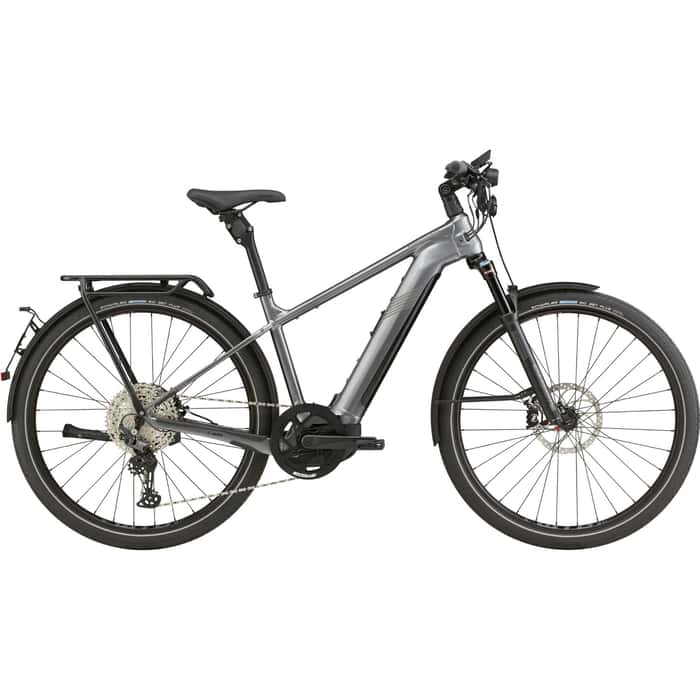
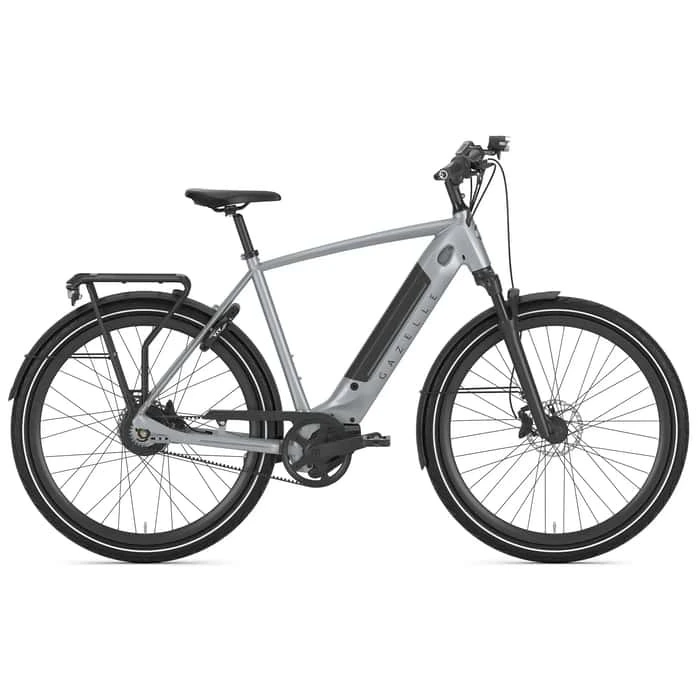
These electric bikes offer a balanced mix of comfort, performance, and versatility, making them excellent choices for new riders.
What Helmet Should You Wear for an eBike Ride?
Because electric bikes can reach higher speeds than traditional bikes, wearing the right bike helmet is essential. A quality helmet not only protects you in case of a fall but also boosts confidence while riding.
Look for helmets with extended rear coverage, proper ventilation, and safety technologies like MIPS, which helps reduce rotational impact forces. A secure, comfortable fit is just as important as the features themselves.
For beginners, investing in a high-quality helmet is one of the smartest decisions you can make before heading out on your first ride.
Best Bike Racks for eBikes
Transporting electric bikes requires a bit more consideration due to their weight. Not all bike racks are designed to handle ebikes, so choosing the right one is important.
Platform-style hitch racks are often the best option because they support the bike from underneath, providing better stability. Look for racks with higher weight capacities, wide wheel trays, and easy loading features such as ramps.
A reliable bike rack ensures you can safely transport your eBike to trails, parks, or new riding destinations without hassle.
Convenient Shopping with Buy Online, Pick-Up In-Store (BOPIS)
Shopping for electric bikes has never been easier thanks to Buy Online, Pick-Up In-Store options. This approach allows you to browse a wide selection of ebikes online and then pick up your bike at a nearby store.
In-store experts can help ensure the bike fits properly and make any necessary adjustments to improve comfort and performance. Many stores also offer test rides, giving you the chance to experience the bike before committing.
This combination of online convenience and in-person support makes it easier to find the best electric bike for your needs.
Start Your eBike Journey
Electric bikes are redefining what it means to ride. With their combination of power, accessibility, and versatility, ebikes make cycling more approachable for riders of all skill levels. With a growing number of states offering electric bike tax credits and rebate programs, investing in an e-bike has never been more affordable.
This beginner eBike guide is designed to help you understand your options and feel confident choosing from the best electric bikes for beginners. From commuting and exploring to simply riding for fun, an eBike can open the door to new experiences and greater freedom.

About the Author, Allie Cheney
Hello there :) Allie Cheney here! I'm a Texan turned mountain enthusiast with a twist. After a year of croissants and conjugations in France where I completed an MBA, I traded baguettes for mountain air and moved to Colorado. As a Copywriter and Content Creator for Sun & Ski Sports I'm thrilled to share my 6 years of outdoor industry knowledge with you! Living in a converted van, I'll be skiing along the Rocky Mountains and West Coast this winter. My aim is to deliver content that is not only accurate and genuine but also provides valuable knowledge and insights into your favorite hobbies, the latest trending styles, and cutting-edge products. Let’s explore together! For questions feel free to email me at ACheney@sunandski.com or contact an Outdoor Expert at any Sun & Ski Sports store location near you!