
If you’re wondering how to start cycling, you’ve come to the right place. Whether you have big goals in mind or just want to get more comfortable on a bike, we’re breaking down the key things you need to know as you pick up the sport. We’ll cover everything from safety non-negotiables like wearing a helmet and having lights on your bike, to other essentials like the importance of shoes that fit properly and how cycling glasses can make a big difference. At the end of the day, though, cycling should be about getting outside and enjoying yourself, and this guide will help you accomplish that.
Table of Contents
- Why Cycling is a Great Hobby
- How to Start Cycling for Beginners
- Step 1: Choose the Right Bike
- Step 2: Wear the Right Cycling Gear
- Step 3: Prioritize Bike Safety
- Step 4: Upgrade to Cycling Shoes When Ready
- Step 5: Set Realistic Expectations
- Join Cycling Communities That Match Your Riding Ability
- Start Your Cycling Journey Today
Why Cycling Is a Great Hobby
Cycling as a hobby offers something for everyone.
You can:
- Ride for fitness
- Commute to work
- Explore trails
- Train competitively
- Enjoy relaxed weekend bike riding
Biking as a hobby grows with your experience. You can keep it casual or become more performance-focused over time.
Unlike many sports, cycling adapts to your schedule, your fitness level, and your budget. That flexibility is why so many beginners stick with it long term.
How to Start Cycling for Beginners
If you are new and searching for how to start cycling for beginners, keep it simple.
Begin with short 20 to 30 minute rides a few times per week. Focus on wearing comfortable gear, riding a properly fitted bike, and setting clear, realistic goals that feel achievable. And always wear a helmet! You do not need expensive equipment on day one, but you do need consistency.
The biggest mistake beginners make is trying to ride too far or too fast right away. Sustainable cycling habits are built gradually. As your confidence and endurance grow, your distance and pace will improve naturally.
If you can commit to riding two to three times per week, you are officially building a cycling habit.
Step 1: Choose the Right Bike for Your Riding Style
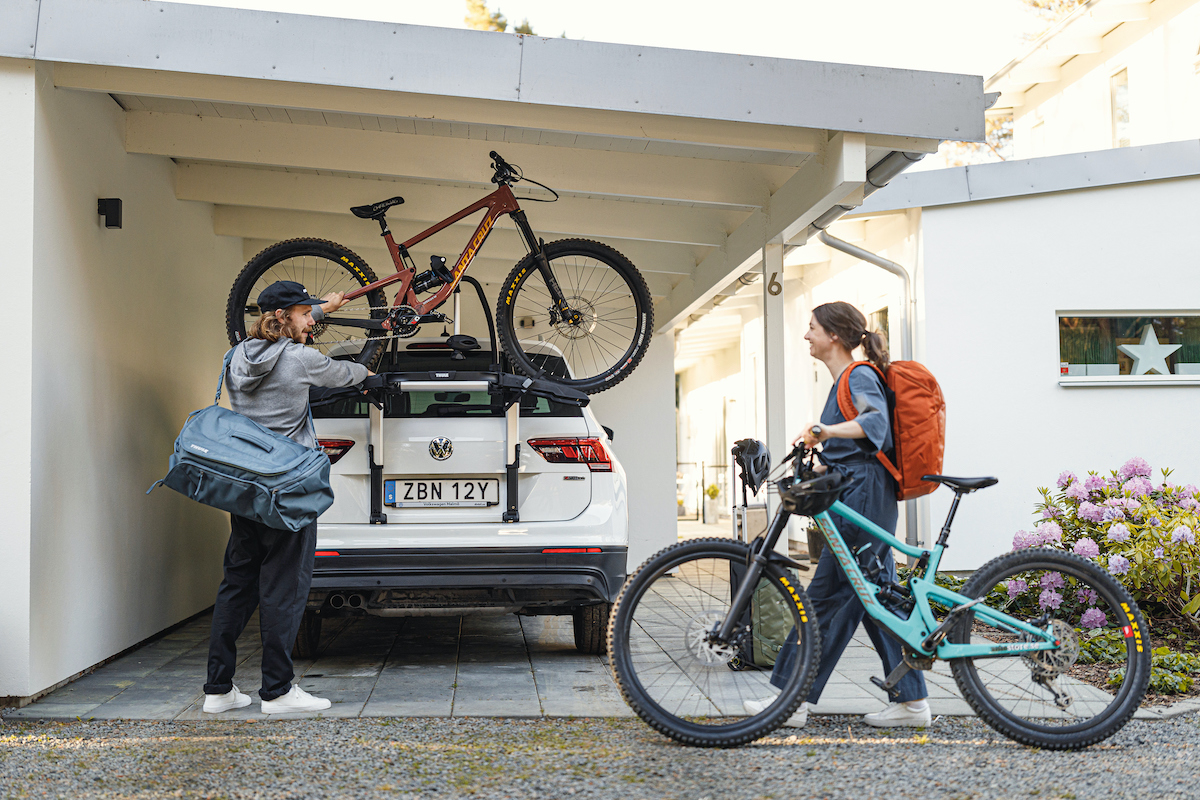
Get a bike that fits your body and feels good to ride. Visit a Sun & Ski Sports store to get assistance from one of our Outdoor Experts who can help you find the bike that’s right for you. Here are some things to keep in mind when shopping for a bike:
- Test out the bike before purchasing: The main way you’re really going to know whether a bike is right for you is by test riding it. We strongly advise you to try out a few different bikes to compare.
- Get adjusted: Our Outdoor Experts can help you get adjusted, so your bike is perfectly suited to your unique shape, build, and bike.
- Choose a bike tailored to your riding style: Get a bike that’s meant for the type of cycling you’ll be doing. From mountain bikes to road bikes to cruisers, Sun & Ski Sports has you covered.
Step 2: Wear the Right Cycling Gear
You don’t have to look the part to be a cyclist. What’s most important is wearing what’s comfortable. That could mean bike shorts and a t-shirt, athletic pants and a bike jersey, or even your everyday clothes if you’re just heading out on a quick ride.
If you are looking for bike-specific gear to add to your closet, here are some options to get you started:
- Bike jerseys and shirts: From tank tops to thermal long sleeves, moisture-wicking athletic shirts will never do you wrong.
- Bike shorts and bibs: Cycling shorts and bibs typically have a snug fit to make things aerodynamic and prevent chafing, but any activewear shorts will do.
Pro tip: Look for bottoms with chamois padding, which will help with saddle comfort and prevent soreness. This is a must-have for when you start putting in more time on your bike. - Bike pants: A good pair of bike pants will keep you warm and protected from the wind, without weighing you down.
- Bike gloves: Prevent hand numbness and cold temperatures with gloves. Fingerless options are perfect for warm-weather rides.
Step 3: Prioritize Bike Safety
Wear a Helmet Every Time You Ride
Regardless of the distance you’re riding or how fast you’re going, wearing a helmet is a non-negotiable for your safety. Accidents don’t discriminate! Here’s what to look for when shopping for one:
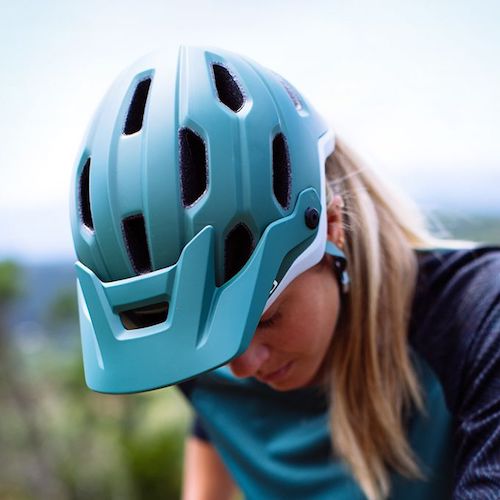
- Make sure it fits snug and stays secure when you move your head around.
- The straps should form a “V” under your ears and sit about an inch below your chin.
- Look for a helmet with Multi-Directional Impact Protection System (MIPS) technology, which reduces rotational forces to your head in the instance of impacts.
- Choose a helmet with padding that feels comfortable and has good ventilation to keep you cool.
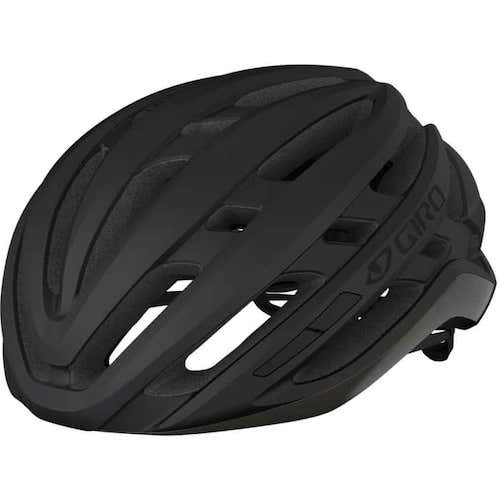 Shop Giro Agilis MIPS Cycling Helmet
Shop All Bike Helmets
Get Lights Even If You Don’t Plan To Ride At Night
Whether you want to ride at night or not, you should have lights on your bike. Most bike accidents happen because the cyclist wasn’t seen, and lights will aid you in visibility to others.
- At a minimum, get a rear light (typically red) mounted to your seatpost. Tail lights let others gauge how far away you are.
- Front lights (usually white) sit on the handlebars and not only let others see you, but also help you see the trail or road ahead.
- Flashing lights are common for daytime use and visibility because they draw attention.
- Look for lights that are water-resistant and preferably USB chargeable for convenience and reliability.
Cycling Glasses Are Different Than Regular Sunglasses
Not all glasses are the same, and cycling glasses have certain features that regular sunglasses don’t have. This isn’t just about seeing clearly, but also protecting your eyes and face in case of a fall. Here are some key features of a good pair of cycling glasses:
- Cycling glasses, similar to safety glasses, are made to break in the appropriate places to avoid getting shards of glass in your eyes, whereas regular glasses will splinter.
- Ensure a proper fit that keeps the glasses secure on your face amid movement, bumps, and sweat. Look for rubber along the nose and temple of the glasses.
- Anti-fogging and ventilation features ensure visibility even as you generate heat and sweat.
Pro tip: A good pair of lenses will reduce glare, improve contrast, and balance color.
Shop All Cycling GlassesStep 4: Upgrade to Cycling Shoes When You Ride More
You don’t have to immediately purchase cycling shoes, but if you end up riding a lot (especially if you take on big hills or ride for speed), then it’s probably worth it. A good pair of cycling shoes will provide arch support, help you generate power, and even prevent knee strain. Here’s what else you need to know:
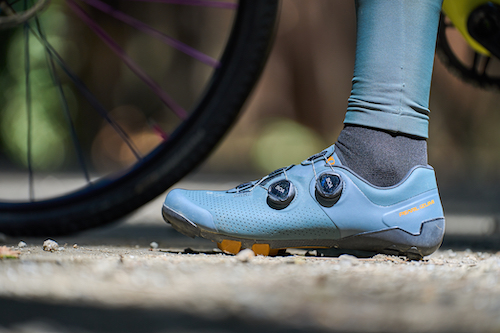
- The rigid soles of cycling shoes allow you to pedal more efficiently and with more evenly-distributed power. This is great for conserving energy.
- Clip-in shoes let you find a steady pedaling rhythm without having your shoes slide around, which is especially important when climbing hills or pedaling fast.
- Cycling shoes will make your ride and body more comfortable by supporting your knees and feet (specifically your arch and toes, which can be problem areas).
At Sun & Ski Sports, we have a selection of mountain bike shoes and road bike shoes to choose from.
Shop All Bike ShoesStep 5: Set Realistic Expectations
Whether you’re new to cycling or not, release the stigma around how fast you should be going or how many miles you should ride. Every ride does not need to be the most challenging.
- If you’re new, it’s especially important to start slow. Go on a 30-minute ride or take your bike for a quick trip to the store. Either way, you’re cycling.
- Goals are great, but make sure they’re realistic and actually enjoyable. And remember that even “easy” rides are still making you a better cyclist.
- Even when training, don’t forget that having fun is the whole point. Don’t put too much pressure on yourself to be an expert, especially if you’re just starting out.
Consistency builds strength, endurance, and confidence. Cycling should energize you, not overwhelm you.
Join Cycling Communities That Match Your Riding Ability
Solo rides are fun, but group rides are a great way to meet people and connect with your local cycling community.
- Group rides vary greatly, so be sure to do a little research before joining one. Some are more socially-focused, while others are for high-intensity training. Pick what’s right for you.
- Look for “no-drop rides,” which means you won’t get left behind. These are especially great for beginners.
- Group rides aren’t just good for motivation, but they will help you improve certain skills like speed control, bike handling, and braking.
Start Your Cycling Journey Today
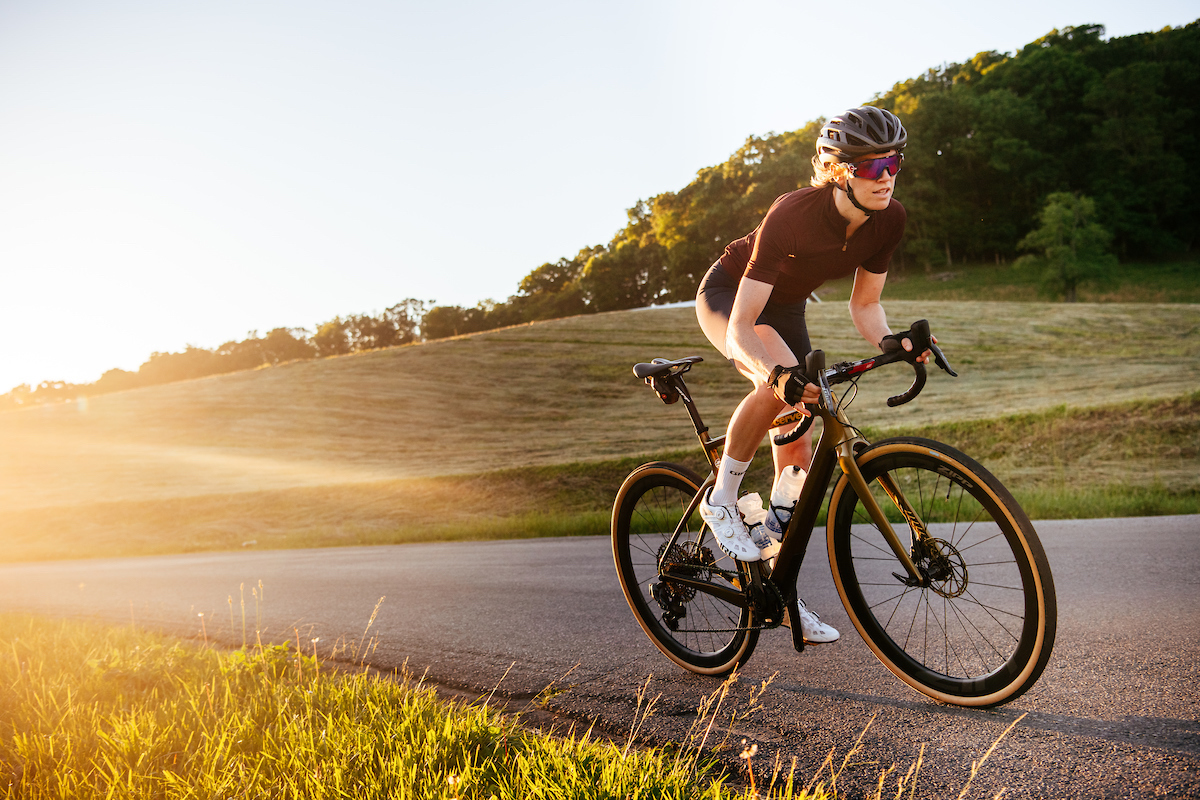
Cycling is one of the most rewarding outdoor hobbies you can start. Whether your goal is fitness, adventure, or simply enjoying more time outside, the key is starting smart and building gradually.
If you are ready to start cycling, visit your nearest Sun & Ski Sports location and connect with one of our Outdoor Experts. We will help you choose the right bike, gear, and accessories to match your experience level and riding goals.
About the Author, Sydney Fogel
Hi, I’m Sydney! I’m a writer and editor living in San Francisco. After attending college and kicking off my career in Boston, I made my way back to the Bay Area, where I grew up. When I’m not working, you can find me enjoying everything my beautiful area has to offer, from spending time at the beach (I live just a few blocks away!) to climbing those San Francisco hills to check out the latest restaurant. I’m also super into working out and have been dancing my entire life. Feel free to reach out at sfogel11@gmail.com