So, you already have a good pair of hiking shoes or boots and you’re itching to hit the trail. Your next step is to choose hiking socks. Even if your shoes are cushioned and durable, your hiking socks can make all the difference when it comes to comfort. In fact, hiking socks are an important part of properly layering, especially in cold weather. Here are some factors to consider when choosing hiking socks.
Length
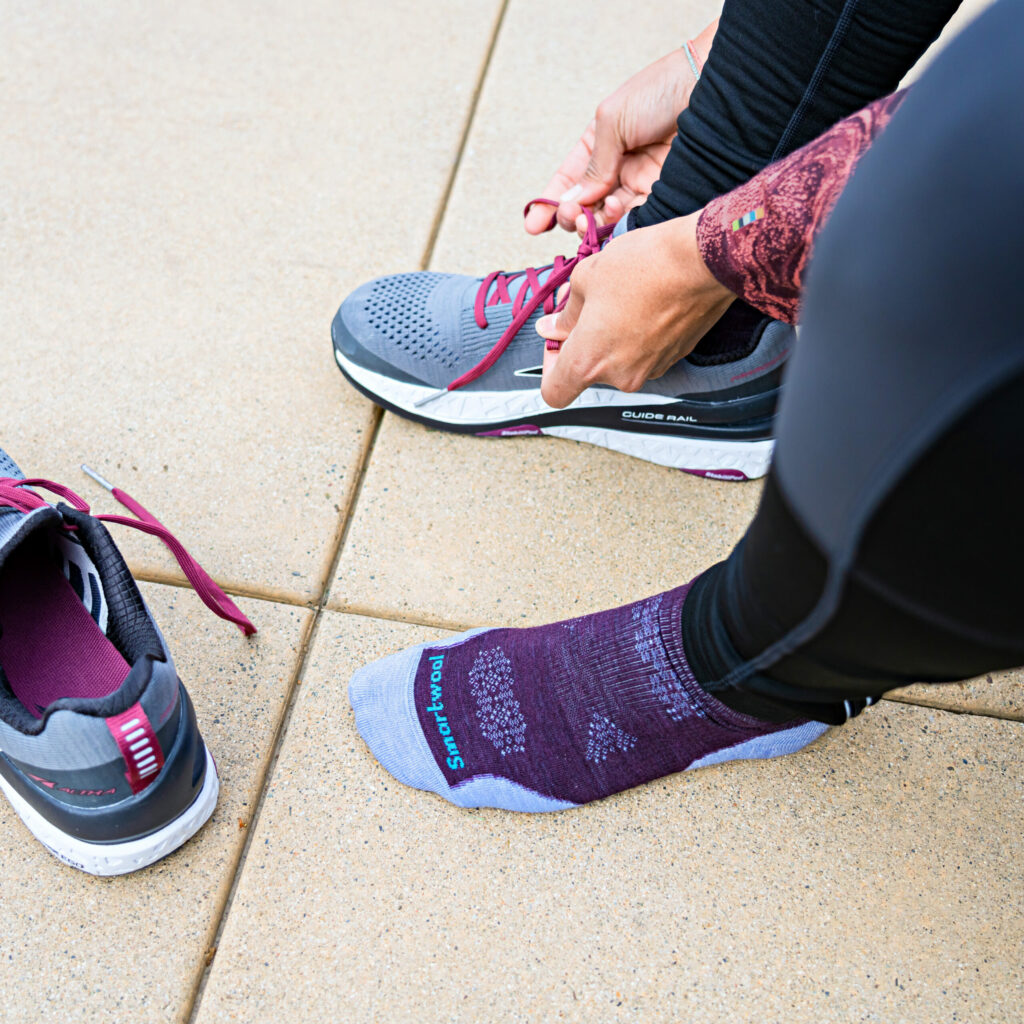
From no-show to knee-high, hiking socks come in a variety of different lengths. Refer to the height of your hiking shoes when deciding which length of socks to buy. You want to get socks that provide a layer of protection between your skin and your boot, so don’t get socks that are shorter than your hiking footwear of choice. Crew length socks are the most popular choice for hiking because they sit a few inches above the ankle, protecting your heel and ankle from hiking footwear of various heights. Keep the weather in mind as well. If it will be colder, you might want to get socks that are significantly taller than your shoes to provide more warmth. In warmer weather, you’ll want to avoid wearing socks that are unnecessarily taller than your boots.
Weight
 S19 EXPLORE MODE
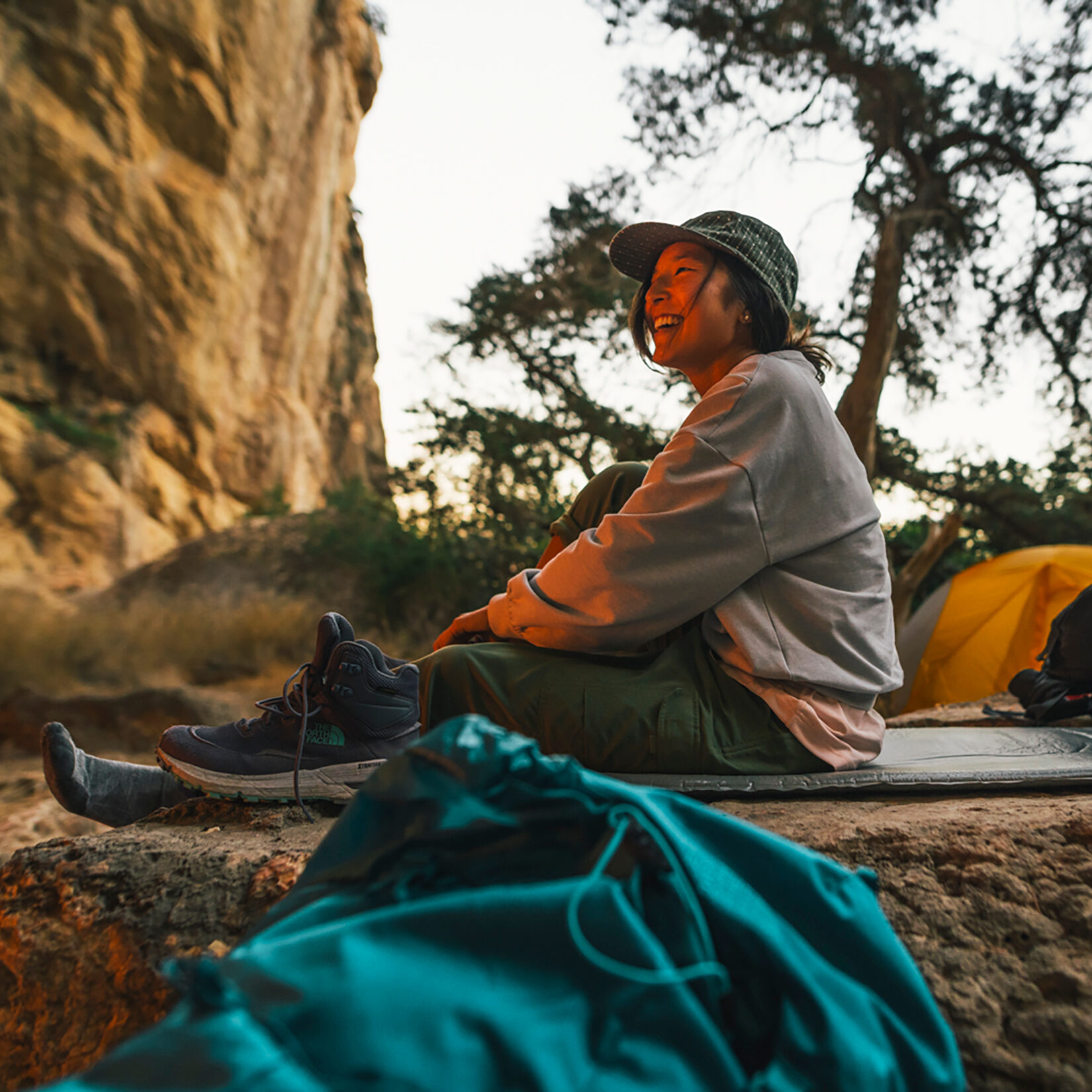
The weight of your hiking socks will determine the levels of thickness and cushioning. Heavyweight socks are the warmest socks you can find, and they usually provide extra cushioning in the heels and soles of the foot. Since heavyweight socks are so thick, they’re best suited for mountaineering or for just lounging around the campsite. Midweight socks are a great middle-ground between the cushion of the heavyweight sock and the breezier comfort of the lightweight sock. If you know that you’re going to be hiking in warmer weather, lightweight socks are a comfortable choice because of their moisture-wicking fabric and minimal cushioning. For the most minimal sock experience, you can try sock liners. Liners can also pair with a heavier sock to add the moisture-wicking feature without sacrificing warmth.
Size
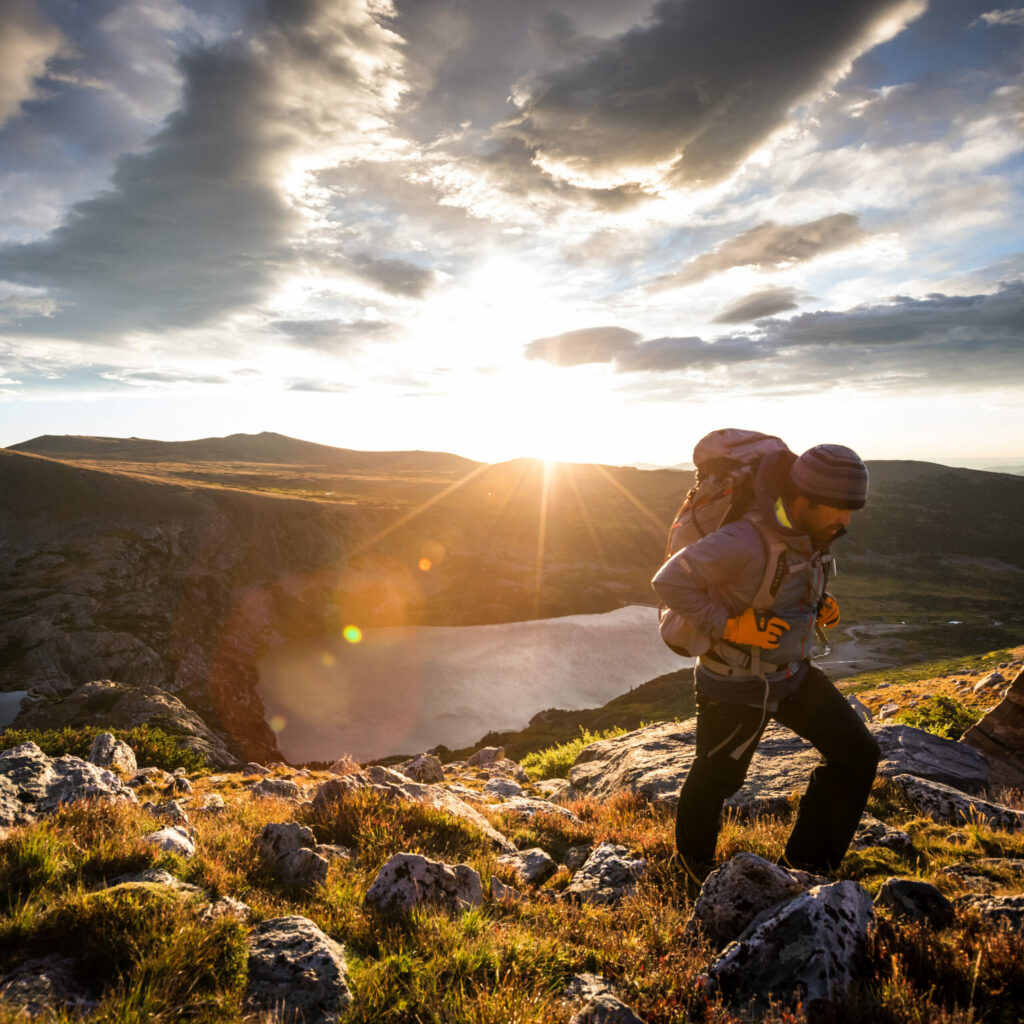 backpacking near mt bancroft, co
If your sock fits too tight, it could squeeze your foot uncomfortably and actually cause decreased blood flow to your feet. This in turn could cause your feet to become cold and numb. On the other hand, if your sock is too big, it can bunch and slide, creating uncomfortable wrinkles or causing blisters to form on your feet. Use your shoe size as a guide when buying socks. A good tip is to make sure that the heel cup of the sock aligns with the heel of your foot. Make sure to consider other personal preferences too. Does the seam bother you? Is the material too rough or too itchy? Be picky when choosing hiking socks so that you don’t feel uncomfortable when you set off down a hiking trail.
Materials
 Osprey pack: Atmos AG
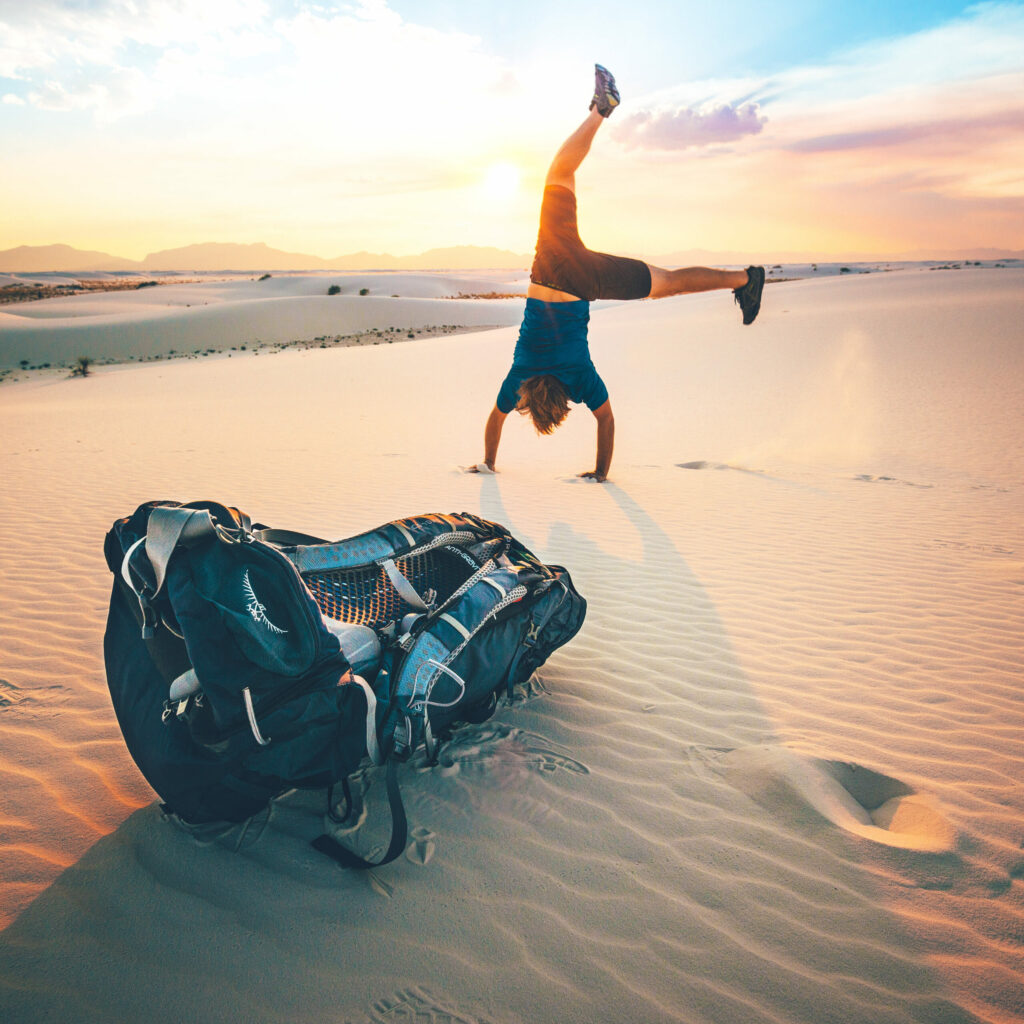
Josh Hamilton freaking out in White sands national monument at sunset
Osprey pack: Atmos AG
Josh Hamilton freaking out in White sands national monument at sunset
Another factor to consider when choosing hiking socks is material. Not all socks are created equal. For added warmth, choose a wool hiking sock. If you are looking for a lightweight and anti-microbial option, bamboo socks are the way to go. Sweat a lot? A moisture-wicking synthetic blend does the trick. Take the materials into consideration when choosing your next hiking sock.
Now you know how to choose hiking socks. With the right sock, you’ll be able to go out on your next hiking adventure both comfortably and safely. Need more tips or advice on hiking? Come check out your local Sun & Ski Sports for advice from our experts. Or, take a look at our Adventure Resource Guide where you can find information on all kinds of hiking topics such as how to get ready for a winter hiking trip or our guide to nature and hiking trail etiquette.