
So, you want to get into cycling, but aren’t sure what kind of bike is right for you. Are you more one for the roads or the trails? Or are you considering an e-bike for a little extra assistance? There’s no right or wrong answer here, but different bikes are certainly tailored to different riding experiences, so it’s smart to know what you’re working with before you make a purchase. Below we're going to look at the main types of bikes, what they're good for, and how to find the one that suits your preferred style of cycling.
We’re breaking down a variety of different bikes, from standard commuter bikes to highly-specificed mountain bikes, and everything in between. While these styles of bikes and their scenarios differ, one thing remains constant across the board: Always wear a helmet!
Table of Contents
- Mountain Bikes
- Gravel Bikes
- Commuter Bikes and E-Bikes
- Hybrid Bikes and Step-Through Bikes
- Road Bikes
- Cruiser, Kids', and BMX Bikes
- Get Riding
Mountain Bikes
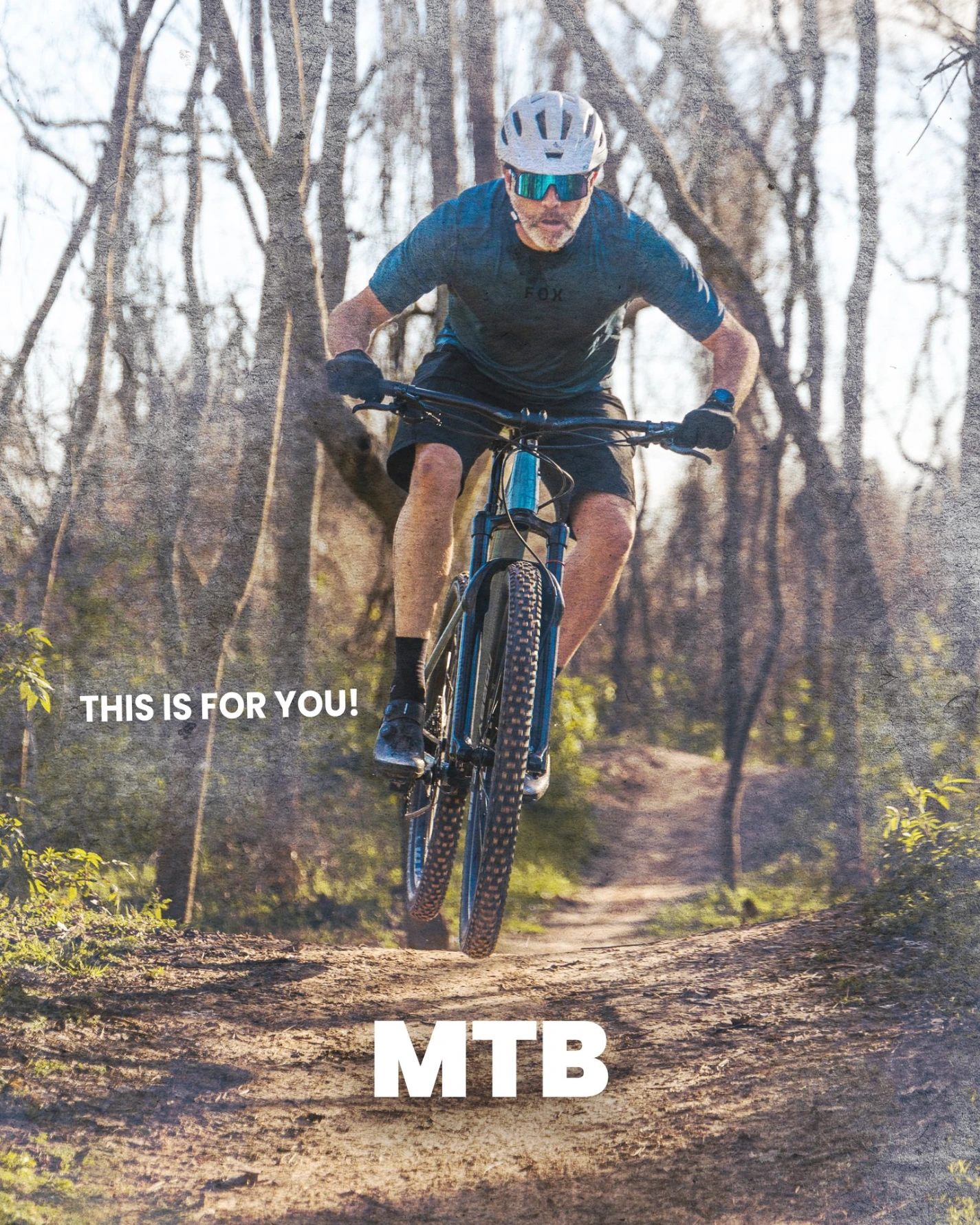
If the great outdoors are calling your name and you picture yourself blazing through wooded trails, jump lines, and scenic backdrops, you can’t go wrong with a mountain bike. This type of cycling is perfect for thrill seekers and action sport lovers, though you can start your mountain biking journey as slow and mellow as you want, so don’t let it intimidate you.
This type of bike is meant to excel on rough, technical terrain, thanks to their suspension systems that absorb impacts. They are also fitted with tires with tread that can handle the dirt paths, rocks, tree roots, and more. These bikes are durable and built for action, with their frames and geometry designed to give you better control and stability when taking on the uneven ground, tight corners, berms, and high speeds.
There are several types of mountain bikes that fall within the larger mountain bike category. The exact experience you’re looking to have, as well as the type of terrain you’ll be biking on, will determine which is right for you.
Cross-country bikes: If you think you’ll stick to slightly smoother trails and are more interested in speed and efficiency, check out a cross-country bike. They’re lightweight and have around 100mm - 120mm of suspension. This is also a great style of bike for those wanting to get into racing.
Trail bikes: With 120mm - 150mm of suspension, a trail bike is a balanced and versatile pick. This type of mountain bike bridges the gap between climbing and descending, and is great for those who want to do a little of everything.
Enduro bikes: Sometimes also called all-mountain bikes, enduro bikes veer more towards downhill performance, while still being able to handle climbs. They come with 150mm - 180mm of suspension and slacker geometry, allowing it to handle higher speeds that come with steep descents.
Downhill bikes: As the name implies, these bikes are built for downhill rides. They are heavy and have about 180mm - 200mm+ of suspension. You don’t want to use a downhill bike to climb, so they’re best for lift-access parks.
Though mountain bikes are undoubtedly meant for trails and off-road adventures, you can still use one for casual riding, so don’t think a neighborhood ride is completely off limits if you purchase one.
If you’re new to mountain biking, start slow and progress as you build confidence. In addition to a helmet, you can also wear other protective gear like gloves, knee and elbow pads, or even a full-face helmet. Also, be sure to check out the best mountain bike parks in North America.
Gravel Bikes
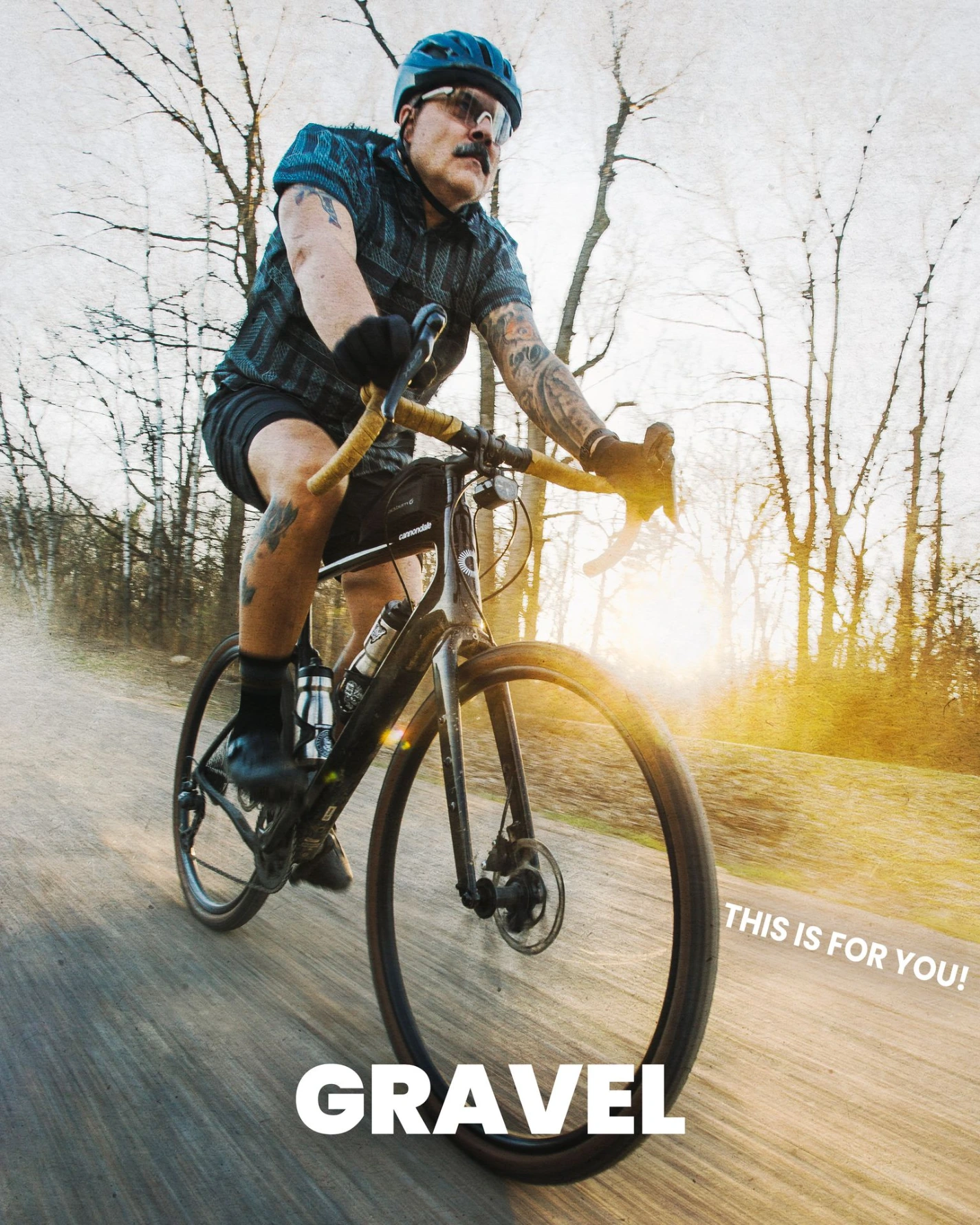
Gravel-specific gear has been on the rise lately (have you heard of gravel running shoes?). A gravel bike is a cross between a road bike and a mountain bike, meaning it’s able to take on a range of terrain types, including gravel paths, dirt roads, non-technical trails, fire roads, and pavement. It’s the perfect bike for those who want to ride through the neighborhood, and mix in a little off-road action along the way (think backroads and park paths). If you want to be able to go for long bike rides that let you explore your area without any major limitations, a gravel bike is a great option for you.
Gravel bikes are outfitted with wider tires (about 38mm - 50mm+) for traction and stable geometry to keep you upright (moreso than you’d get with a road bike) and comfortable as you ride on looser ground. Though it has specifications that let it excel off-road, a gravel bike is not the same as a mountain bike, in that it’s not meant to take on super uneven ground with lots of rocks or other technical landscape features.
Within the gravel bike category, there are a few different options for you to explore.
All-road / light gravel bikes: These ones are the closest to road bikes, with a typical tire size of 32mm - 40mm. They’re best suited for bike paths, smooth gravel roads, and pavement.
Race gravel bikes: This the gravel bike for those who want to get some speed and to prioritize performance. The tire sizes are in the 40mm - 45mm range, and the bike has a lighter frame and is more aerodynamic.
Adventure gravel bikes: Here the focus is on comfort and stability, with a tire size of 45mm - 55mm. If you want to get out and spend a day exploring on the bike, an adventure bike will let you do so with ease. They usually come with mounting points for bags and extra gear, too.
Rugged gravel bikes: This one is closest to a mountain bike, ready to take on rockier and rougher terrain. The tire size ranges from 50mm - 2.2in, making it super stable. That said, it’ll be the slowest on pavement.
If a gravel bike is new for you, start with bike paths and dirt roads, and then build up from there. Gravel bikes provide all the freedom to truly get out and explore any path or route that’s calling your name. They’re incredibly versatile and perfect for those interested in dabbling in a mixed bag of terrain.
Commuter Bikes and E-Bikes
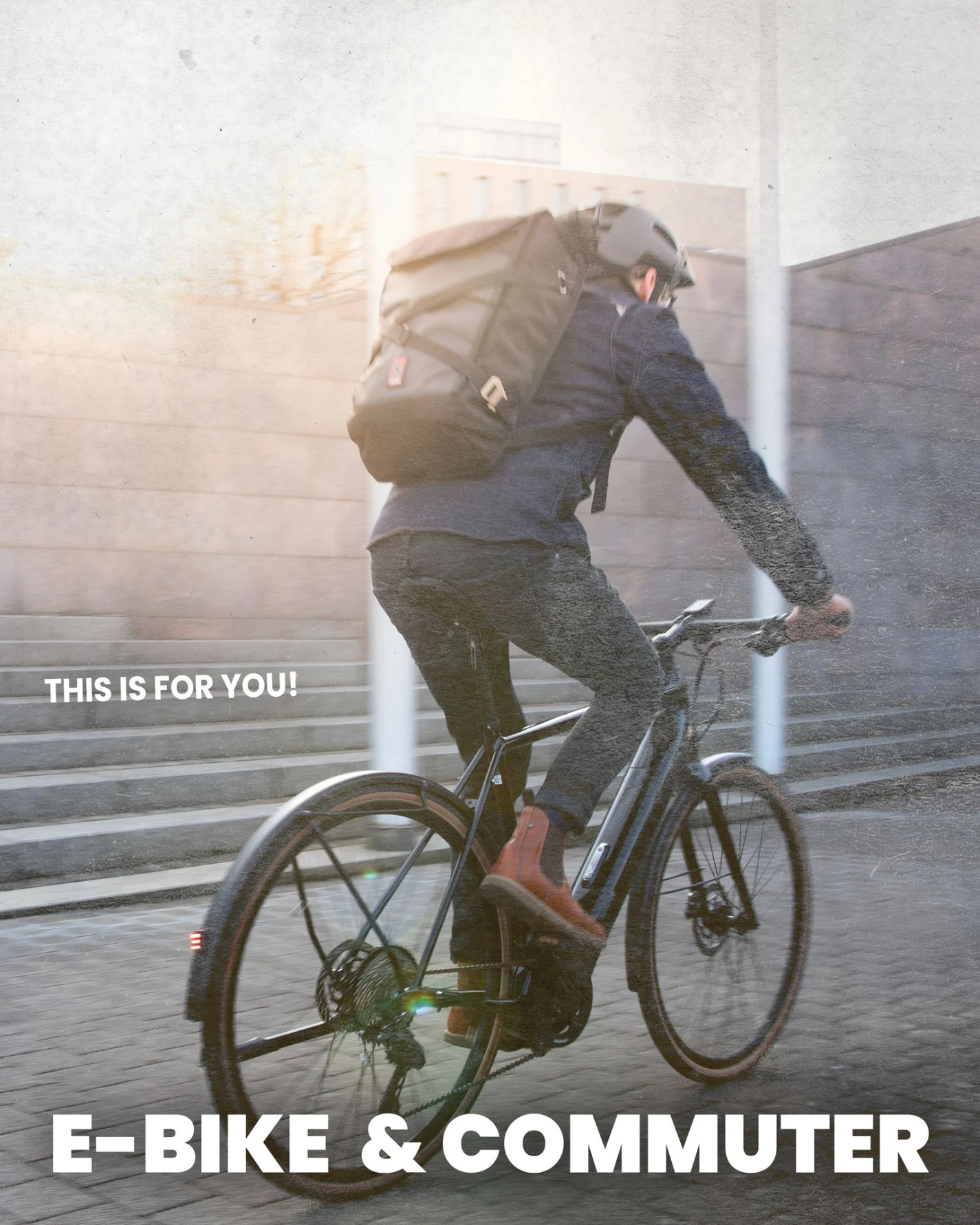
These styles of bikes are best for those who know they’ll stick to the pavement, riding around their city or town, whether to head to work or the grocery store. If you’d rather bike than take your car and deal with parking, definitely check out commuter bikes and e-bikes. They’re designed for comfort and reliability, and, of course, convenience.
Speaking of convenience, e-bikes take the cake in that category. With pedal assist, you don’t have to put in nearly as much effort, which is especially great on hills. This also means you’re less likely to break a sweat, which is perfect for biking to work or a social gathering. E-bikes are all about making things easier.
Here are the different styles of commuter and e-bikes:
Traditional commuter bike: This is a simple, conventional bike that’s good for short rides around town.
Comfort-focused e-bikes: With this style, it’s all about cruising in comfort. You’ll get an upright positioning for a relaxed ride.
Speed-oriented commuter e-bikes: Need to get around the city quickly? A speed-oriented e-bike is the way to go. They’re responsive and can reach higher speeds.
Utility and cargo e-bikes: If you think you’ll use your bike for grocery runs or even want a second seat for a passenger, utility and cargo e-bikes are a commuter's dream.
E-bikes are generally pretty easy to use, but you should still start slow if you’re new to pedal assist, and also check out these other things to know before getting an e-bike. Always follow traffic rules and be aware of your surroundings.
Hybrid Bikes and Step-Through Bikes
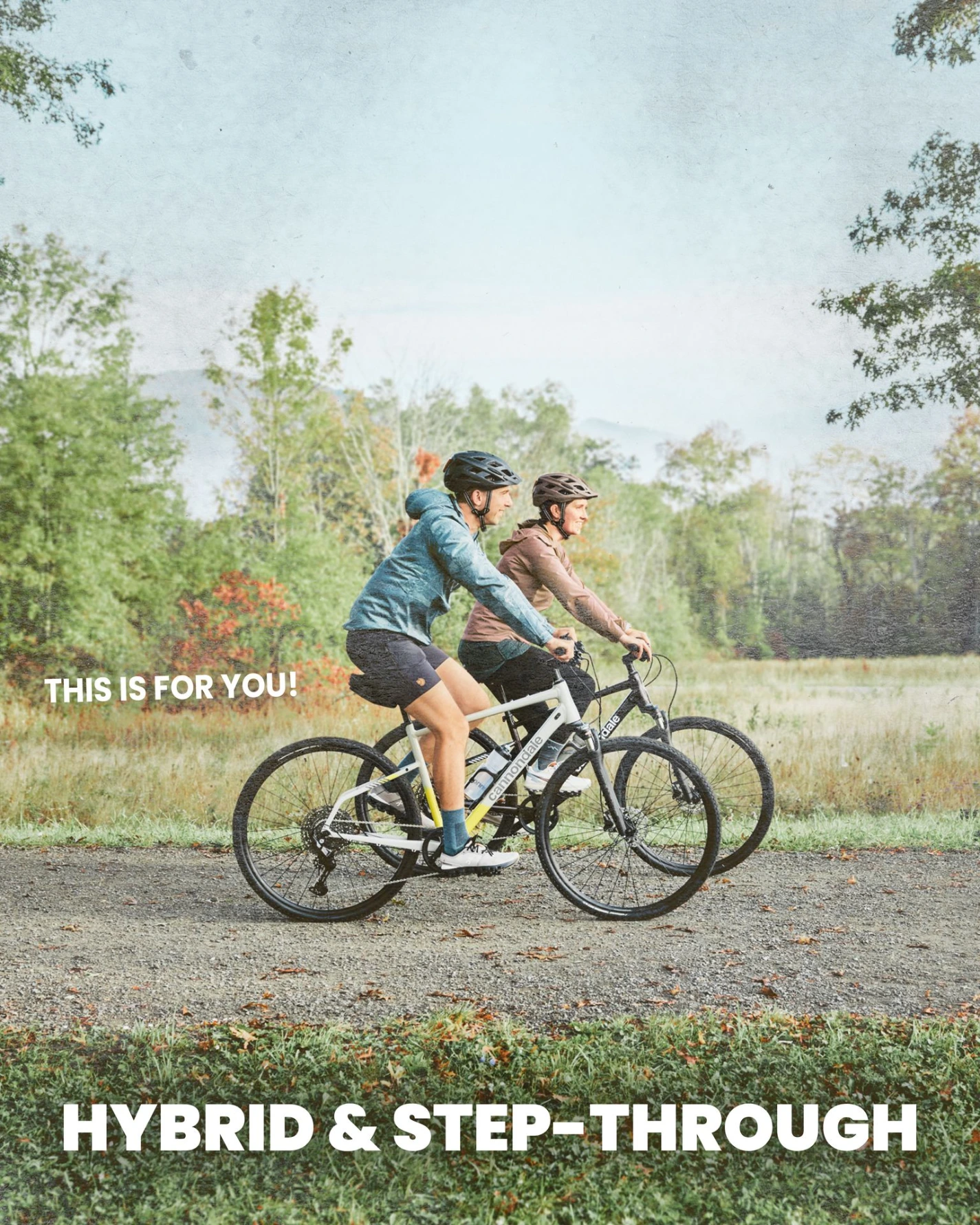
Like a gravel bike, a hybrid bike is meant to handle a mix of surfaces, but the type of surfaces differ. A hybrid bike is a cross between a commuter/fitness bike and a bike that can handle dirt. It’s truly one of the most versatile bike options out there, perfect for those who want to go on rides of all kinds, whether it be a cruise through the neighborhood or a light adventure on a well-maintained bike path. They’re comfortable, stable, and casual.
Step-through bikes are super accessible because you can quite literally “step through” the frame to get on the seat, rather than having to swing your leg over. The bike’s frame also means it’s suited for those with more limited range of motion, or even for cycling around in non-fitness attire, such as a skirt or dress. These bikes are stable and many include padded saddles and swept-back handlebars.
There can be slight variability between models of hybrid and step-through bikes:
Fitness-focused hybrid bikes: As the name suggests, these lean a tad bit more towards fitness-focused rides, with more quickness and responsiveness. If you think you’ll want to go on longer rides, this is a model to check out.
Comfort hybrid bikes: A smooth and relaxed ride is what you’ll get with a comfort hybrid bike, as well as an upright positioning.
Step-through bikes: Among step-through bikes, you can go more lightweight and recreational, or get a model complete with racks and accessories to suit your needs.
You really can’t go wrong with a hybrid bike or step-through bike if your goal is to simply hit the road and enjoy your time outside, whether on a solo ride or to head out and meet up with friends.
Road Bikes
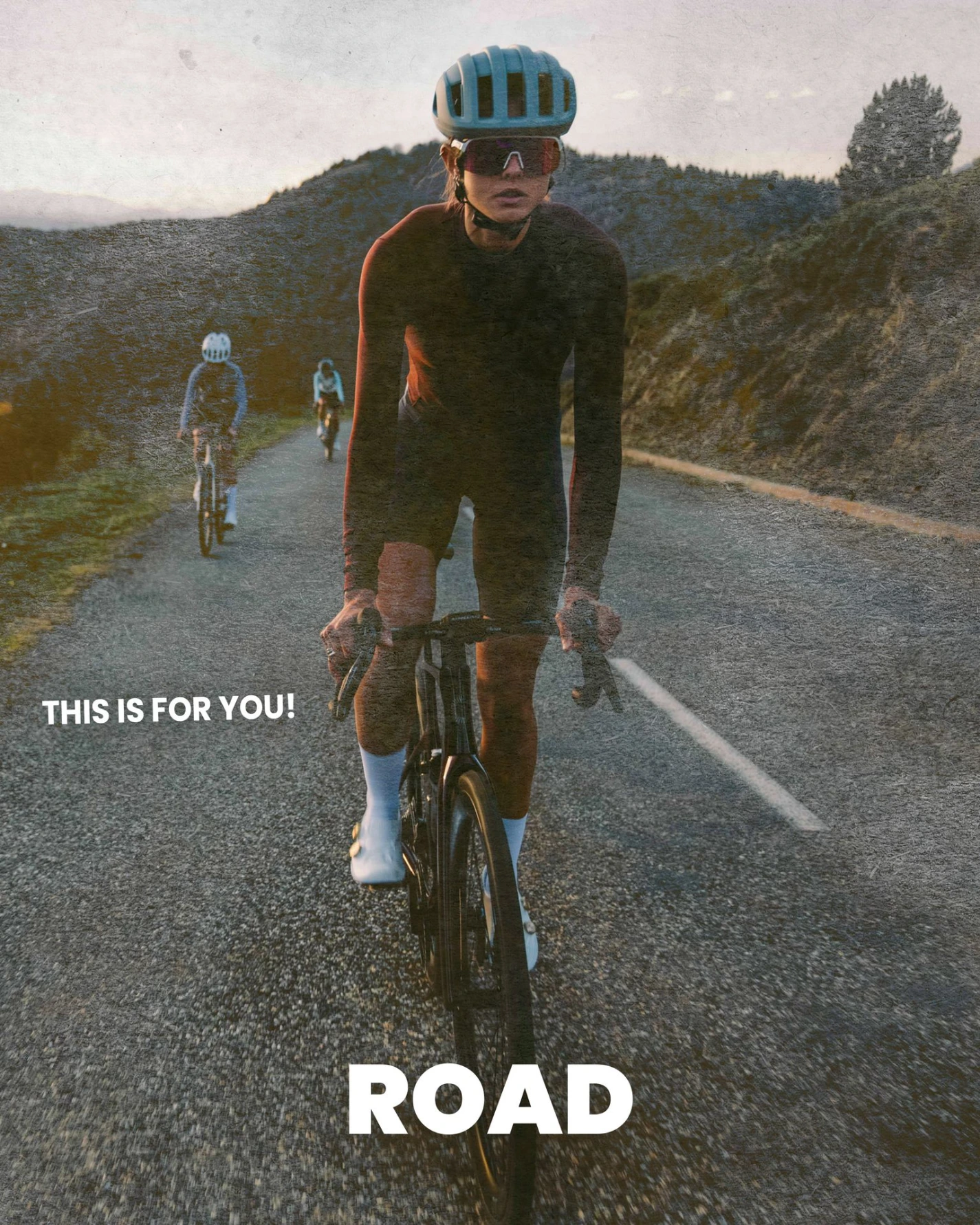
If the open road is calling your name, then so is a road bike. They’re lightweight, aerodynamic, and have narrow tires for speed and momentum. Road bikes are built for efficiency on pavement, especially when going long distances.
Within road cycling, there are different directions you can take:
Traditional road bikes: Quick and efficient, traditional road bikes deliver on performance and handling. If you’re interested in group rides (check out how to be the MVP of your group ride) or long training sessions, a traditional road bike has you covered. Just be aware that the race-style geometry of this bike can feel different and even challenging at first, so core strength and flexibility can help you out a lot.
Endurance road bikes: These road bikes provide more comfort than a traditional, race-style road bike. Don’t worry, though, you’ll still get all that road bike efficiency. An endurance road bike is good for more recreational rides, as they keep you upright and feature stable handling that’ll help reduce fatigue and soreness.
These days, road bikes are getting more and more comfortable and versatile, with models that have wider tires that broaden the limits on the surfaces you can ride on. Either way, all road bikes prioritize speed and efficiency on the pavement.
Cruiser, Kids’, and BMX Bikes

Not every ride has to be about winning or even going really fast.
- Cruiser bikes are all about one thing - just having fun. You'll find them sporting wide saddles , super low handlebars that put your bike in a comfortable upright position, fat tires to cushion out any bumps & usually only one gear. This makes them absolutely perfect for an evening cruise down the boardwalk, a leisurely bike ride through a beach town, or a meandering bike loop around the neighborhood, and honestly, they don't pretend to be anything more than that.
- Kids' bikes are sized according to their wheel size, rather than the length of the frame itself - think 12-inch balance bikes for your littlest riders, all the way up to 24-inch models for the bigger kids. And let's be real, getting the size just right is a HUGE deal here. If your kids get a bike that's way too big, they'll probably lose interest in riding in a hurry, so it's always worth taking the time to measure them rather than just guessing that they'll grow into it.
- BMX bikes, on the other hand, are short, super sturdy, single-speed, and built around 20-inch wheels. They're made for kids who are serious about skateparks, dirt jumps & pump tracks, aka the kind of riding that gets the adrenaline pumping. If your little one & their friends are planning a trip to the local park, chances are this is the bike they've got their heart set on.
Get Riding
There are so many awesome bike options out there, geared towards a whole range of riding styles. Whether you want to cruise through town, take on a thrilling downhill trail, or go on a long group ride on the road, you certainly have options. If you’re new to cycling, check out our beginner’s guide to biking with all the must-know information you could need. And, remember, at Sun & Ski Sports, renting a bike is always an option, and we have a renting guide to get you started on that, as well. To rent or buy, stop by a Sun & Ski Sports location and let one of our Outdoor Experts assist you on your cycling journey.

About the Author, Sydney Fogel
Hi, I’m Sydney! I’m a writer and editor living in San Francisco. After attending college and kicking off my career in Boston, I made my way back to the Bay Area, where I grew up. When I’m not working, you can find me enjoying everything my beautiful area has to offer, from spending time at the beach (I live just a few blocks away!) to climbing those San Francisco hills to check out the latest restaurant. I’m also super into working out and have been dancing my entire life. Feel free to reach out at Sfogel@sunandski.com