
Whether you’re newer to cycling or consider yourself a seasoned vet, group rides are a great way to improve your riding, learn proper etiquette and handling skills, explore your area, and get to know your local cycling community. What we love about group rides is that they come in all shapes and sizes, meaning there is undoubtedly a group right out there suited for your skill level, training goals, and simply whatever riding vibe you’re in the mood for that day. Joining a local cycling group can also help you build confidence riding alongside other riders in different conditions.
To find a local group, consider checking the USA Cycling Club Finder or visiting a local bike shop for recommendations. Social media platforms, particularly Facebook, are also useful for finding local cycling clubs that often post calendars of recurring rides and events.
Group rides are easy to find as well; a quick Google search will pull up lots of options in your area. Sun & Ski Sports’ Facebook also has a ton of rides listed in cities across the country, so be sure to check it out! You can also check your local cycling club’s Facebook page for ride schedules, events, and community updates.
These rides are about community and not competition, but that doesn’t mean that you can’t shine as an MVP of your group ride by showing up prepared. From what to bring along with you to understanding group ride etiquette and proper safety measures, we compiled all the things that’ll make you your group ride’s MVP.
Table of Contents
What You Need to Know About Group Rides
What To Bring
Make Sure Your Bike is Ready to Ride
Know Your Ride and Route
Call Out For Cars, Turns, and More
Get to Know Your Leader
Be A Friend and Have Fun
What You Need To Know About Group Rides
Beyond providing a community to cycle with, group rides are actually a perfect place to start understanding, or evolving, your cycling goals. Some turn to these community rides to simply get in some movement while meeting new people, and others use them to prepare for their next 100+ mile race. And, of course, there’s everything in between. And what’s great is that as varied as each cyclist’s goals may be, so too are the group ride options. From those that move at a relaxed pace to those that focus on speed, rides that are no-drop vs drop, we’re breaking down some of the most common cycling group rides out there so you can select the best one for you.
- No-drop rides: If you’re new to group rides or cycling in general, a no-drop ride is a great place to start. With this style, no cyclist is left behind, and the group periodically stops to regroup or may wait at the top of climbs or after difficult sections, making it inclusive and beginner-friendly.
- Drop rides: As you’d expect, a drop ride is the exact opposite. These are faster, more competitive rides where riders who cannot keep up with the group’s pace may be left behind. Drop rides often include structured formats like mock races, sprint points, or finish lines, and are best for more experienced riders.
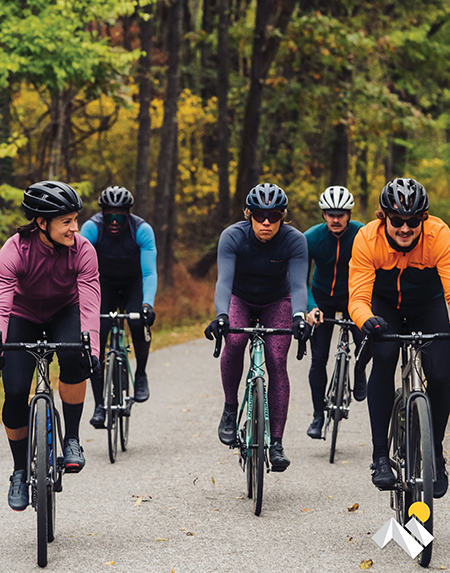
- Relaxed/casual group rides: With these, you’ll get a slower pace and typically a no-drop structure. There could even be stops along the way that allow you to mingle with your group.
- Training group rides: These types of rides can vary in specific objectives, but they’re overall more active and challenging than a casual ride. Here you’ll work on endurance, tempo, and often participate in high-intensity sessions designed for competitive athletes, including intervals or race simulations. Often, these can still be no-drop rides, but be sure to confirm that before signing up.
- Fast group rides: For the more advanced cyclists, fast group rides further push you in speed and endurance. If you’re training for a race, these are a great option to consider. They are also usually drop rides.
Pro tip: If you’re on the fence about where your skill level lands you, opt for an easier ride to start and then work your way up.
What to Bring
From being prepared for mechanical issues to having enough food and water to fuel your body, you’ll be the MVP by being equipped with these items. And these won’t just help you out, but will also let you assist other riders in case they need it. Here’s where you really shine as a team player!
Tools and Gear
Of course, you don’t want to be lugging around a ton of stuff, but there are a few essentials you should have with you as you embark on your group ride.
- A mini pump: Small and convenient, your tires, as well as your fellow group riders’, will never have a shortage of air when you have this tool on hand.
- A multi-tool: Address common mechanical issues with a compact multi-tool.
- Spare tubes and tire levers: Rather than spending time repairing a tire, quickly swap it out by having spare tubes and tire levers ready to go.
- A portable power bank: No one, and we mean no one, is going to ever regret bringing a portable power bank. If you or someone in your cycling group needs a quick charge, you’ll have it covered.
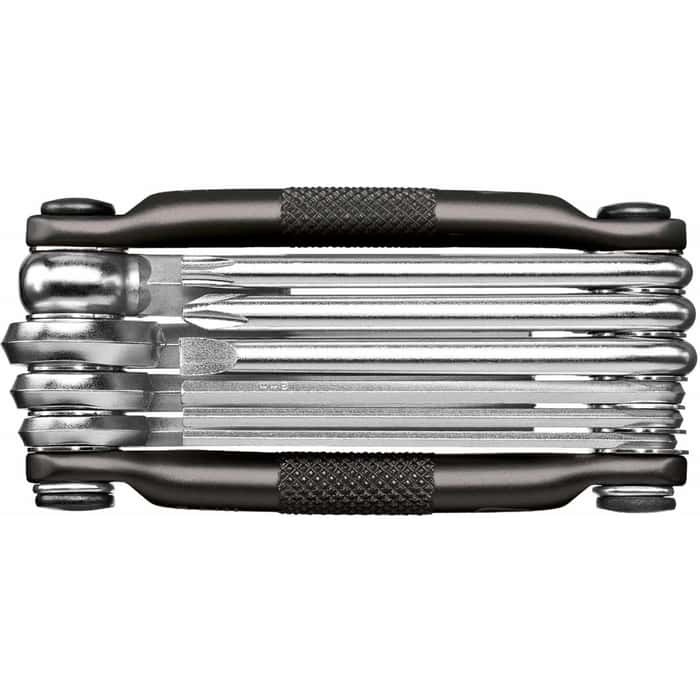 Crankbrothers M10 Multi-Tool
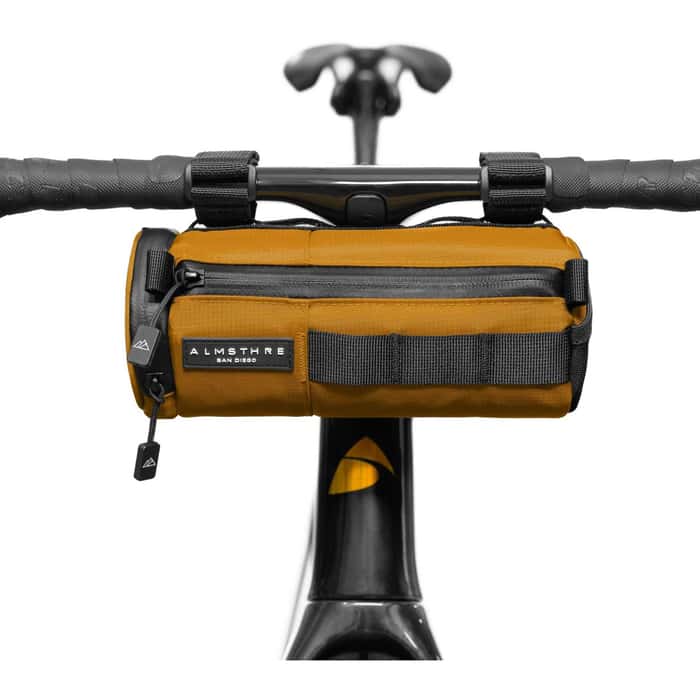 Almsthre Compact Handlebar Bag
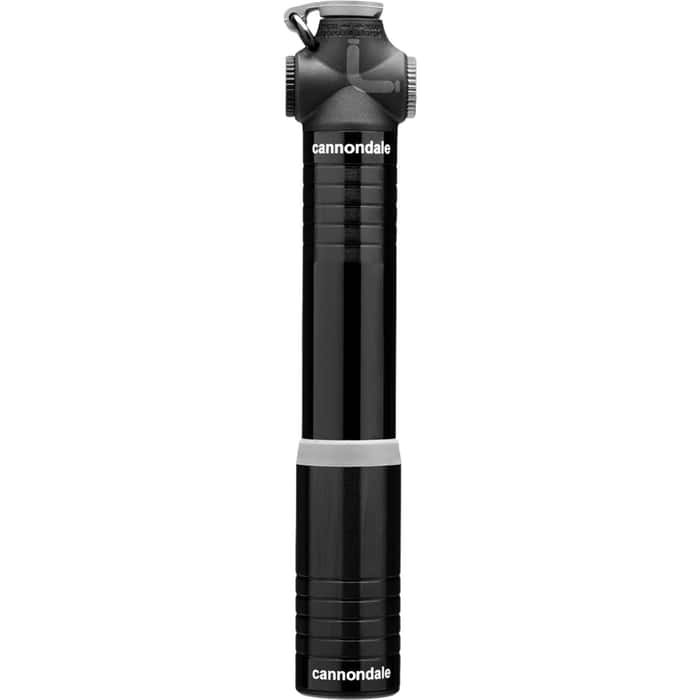 Cannondale CO2 Dirt Mini Pump
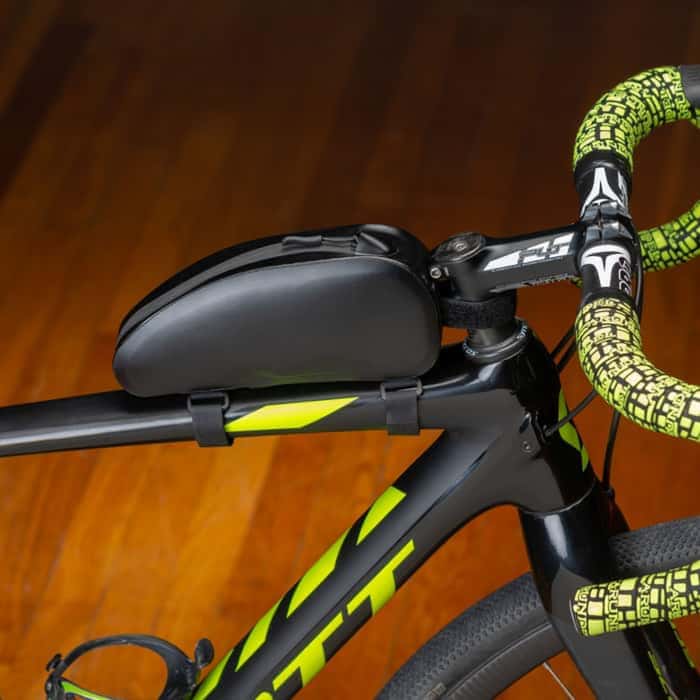 Arundel Tycoon Top Tube Bag
Fuel and Water
Depending on the pace and length of your ride, exactly how much food and water you need may vary, but it’s still something to bring nonetheless.
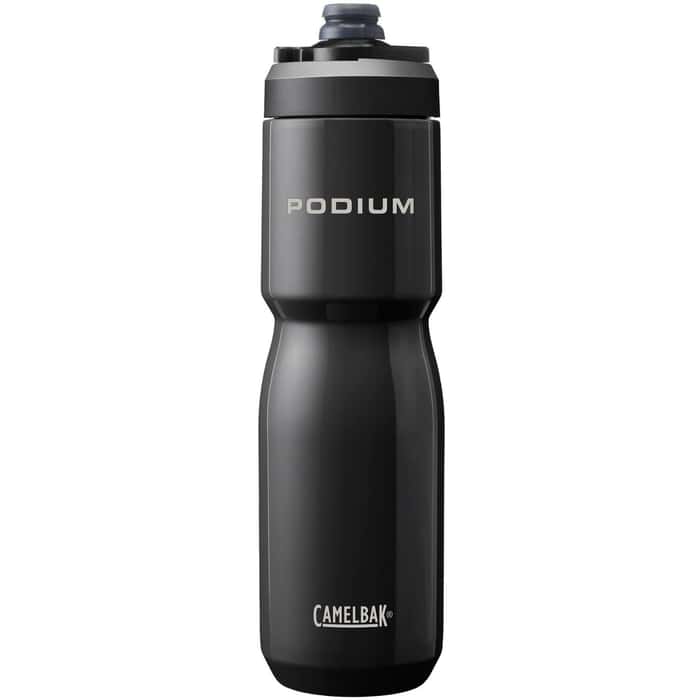
- Water: Plain and simple, never go on a group ride without water. You need it, and other riders do too. Bring an extra bottle if you can.
- Fuel: Even if your ride has a pit stop, always have some sort of snack on you. Pick-me-ups are often needed even on casual rides, so toss in a few extra bars and gel packets to share amongst the group.
Make Sure Your Bike Is Ready to Ride
Before you show up for your group ride, make sure your bike is ready to go. While this is a personal thing, your preparedness means you won’t hold up the group by scrambling to make last-minute adjustments. Plus, then you’ll be available to help if someone on your ride needs assistance.
- Inflate your tires: Use a pump with a gauge to check your tire pressure is exactly where it should be. Don’t just rely on squeezing the tires.
- Clean and lubricate your bike: A clean bike isn’t just about aesthetics, but rather ensuring there’s no built-up dirt and grime that’ll affect the mechanics. After cleaning, be sure to lubricate your chain for smooth operation.
- Check your brakes: Properly working brakes are always essential, but when other riders are cycling around you, it’s even more important.
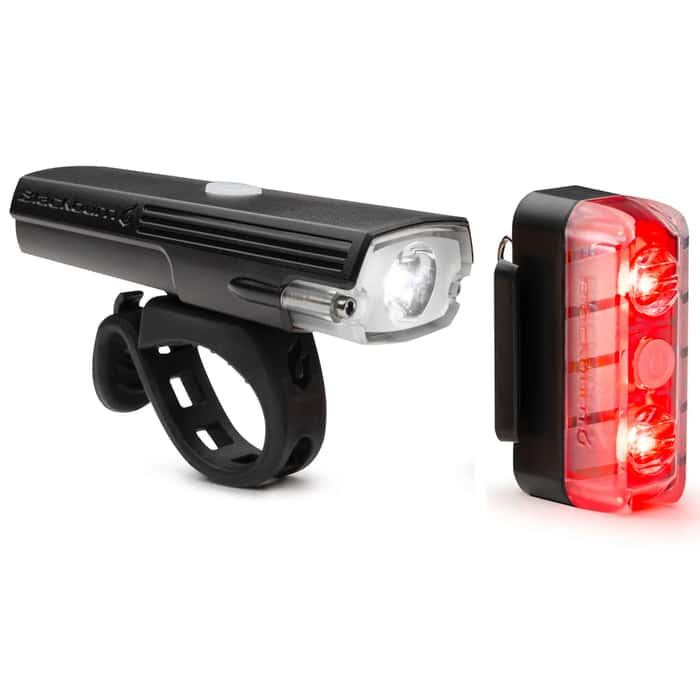
- Make sure lights work: Even if riding in the daytime, it’s always smart to have lights. Make sure all lights are charged so you can do your part to stay visible and safe.
Know Your Ride and Route
It kind of goes without saying that you should know what kind of ride you’ve signed up for, but it doesn’t hurt to remind you again! Are you doing a casual ride or one structured for speed? Is it drop or no-drop? Having a clear plan for your group ride, which includes knowing the group’s page, route, and any specific goals, helps you show up fully prepared.
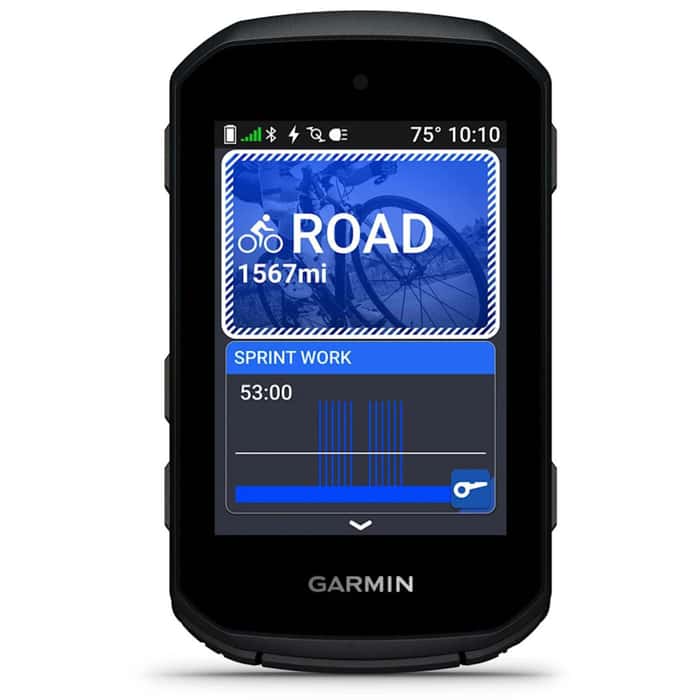
Review the route before you head out, too. Consider wind direction, as it can affect group dynamics and safety, especially on exposed sections. Are there places to stop along the way in case you need to get in some extra fuel? Or will it just be you and your fellow cyclists for the first 25 miles? Distance and elevation are two key things to be aware of, as well. Some routes may take place on open roads, which require extra caution and strict awareness of traffic laws. If you’re following a training plan, consider how this week’s ride fits into your overall schedule.
Call Out For Cars, Turns, and More
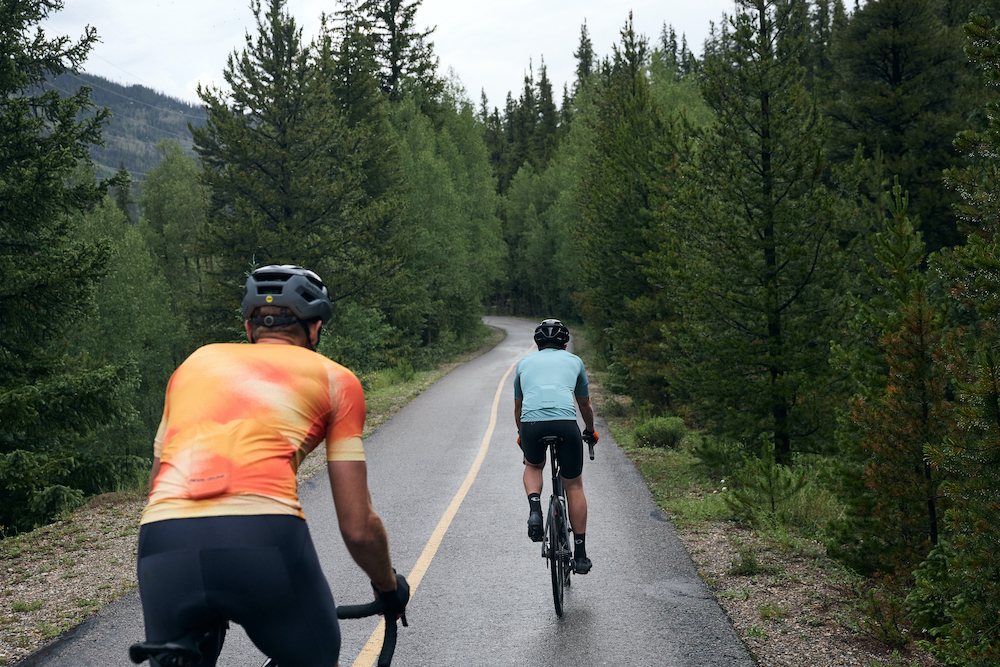
Of course, riding with a group is different than just riding on your own. With a group, your riding style and safety measures affect your other cyclists. Sure, you’re each on your own bikes, but it’s still a team effort of sorts. Therefore, knowing proper safety signals assists everyone on the group ride. As they say, teamwork makes the dream work, and here’s where you can not only be a team player but an MVP.
- Call for cars: Traffic-related calls are essential to know. “Car up!” means a car is headed towards the group, whereas “car back!” means a car is approaching from behind. Then, “Car left!” or “car right!” indicates cars coming from the respective sides. These verbal cues help keep everyone alert and coordinated.
- Call for speed: Everyone loves clear communication, so don’t be shy to yell out “slowing!” or “stopping!” when doing so. This prevents your fellow cyclists from crashing into each other. Avoid sudden braking, as it can cause an accordion effect, leading to crashes and instability in the pack.
- Call for turns and stops: In addition to verbally exclaiming you’re turning or stopping, use the classic cycling hand signals. Hand signals are crucial for indicating your intentions, especially when peeling off or rotating to the back of the group, so everyone knows your next move and can react safely.
- Call out anything else: Don’t be shy to use your voice. See a pothole or something in the road? Call it out so the people behind you are prepared. Riders should also point with an open palm to indicate obstacles, turns, or hazards along the route. Always be alert to road hazards and check for them before changing your position in the group.
- Obey traffic laws: Always obey stop signs and red lights, as running red lights is unsafe and illegal. The only exception is in Idaho, where the ‘Idaho Stop’ law allows cyclists to treat stop signs as yield signs and red lights as stop signs. Respecting these rules keeps everyone safe and supports cycling infrastructure efforts. Good group ride etiquette also helps create a safer and more enjoyable experience for all other riders on the road.
Get to Know Your Leader
Believe it or not, getting to know the group ride leader is actually a way you can be an MVP for the entire group. Learn their name and have a quick chat ahead of the ride, so you’re well-versed on the route, stopping points, and everything in between. That way, you can be a person of knowledge to your fellow cyclists who may have questions or concerns pop up along the way.
Be a Friend and Have Fun
Now that you have the basics covered, all that’s left to do is meet up with your group, hop on your bike, and enjoy the ride. Yes, training and getting those miles in is absolutely one of the core motivators of a group ride, but so too is joining forces with your fellow cyclists. Cycling group rides are a great way to meet others in the community and cruise around your area with friends in tow. Lean into the team aspect and be there for others as you’d want them to be there for you, whether someone needs a helping hand, a spare tire, or even just a little encouragement to make it up a steep hill. That’s what makes you the real MVP.
About the Author, Sydney Fogel
Hi, I’m Sydney! I’m a writer and editor living in San Francisco. After attending college and kicking off my career in Boston, I made my way back to the Bay Area, where I grew up. When I’m not working, you can find me enjoying everything my beautiful area has to offer, from spending time at the beach (I live just a few blocks away!) to climbing those San Francisco hills to check out the latest restaurant. I’m also super into working out and have been dancing my entire life. Feel free to reach out at sfogel11@gmail.com