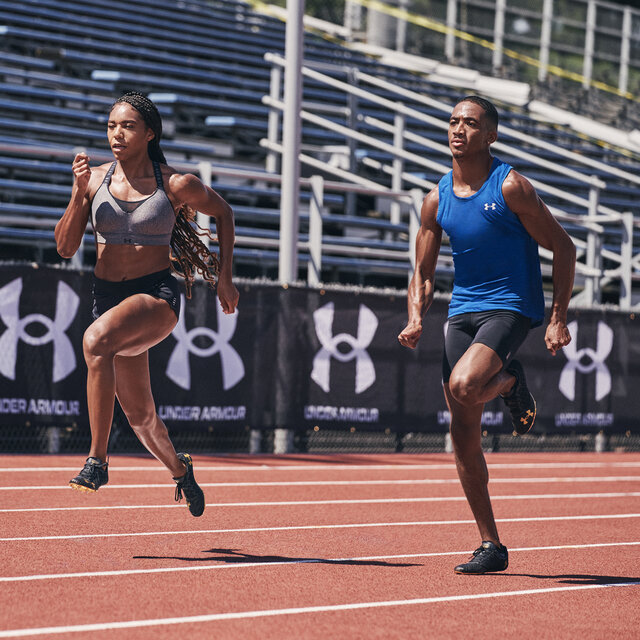
As you begin your running adventure, you may hear the term “pronation.” What does it mean? Is it important to know? Or is it simply some fancy running lingo? There’s so much to know whether you are a beginner or a seasoned runner. Fear not, as we’ll help to explain what pronation is and how it can affect your running.
What is Pronation?
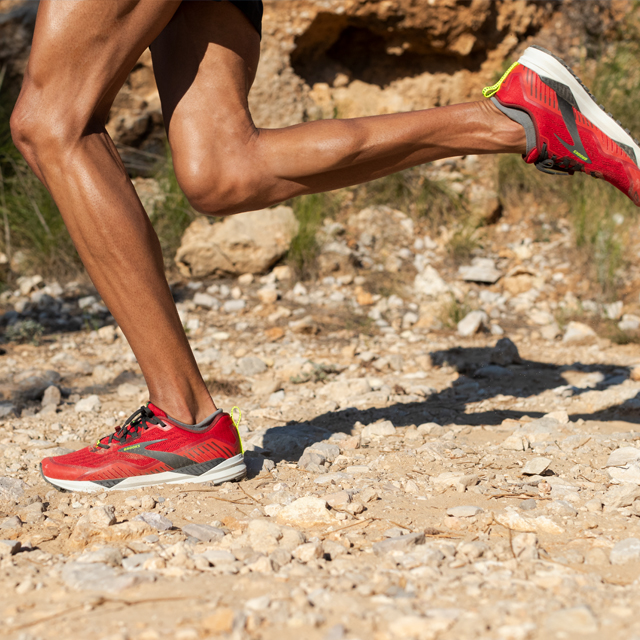
Pronation refers to the rolling of the foot from the heel to toe as it hits the ground. Basically, pronation is the motion of your feet as it hits the ground and absorbs the shock from the impact. It is important to understand your pronation as it can affect your running. There may not be any immediate effects. However, over time, the strain you put on your feet and legs will build up and cause injury. Besides your pronation, you should also look into understanding your foot arches as it is one of many steps to keep your running adventures going.
Underpronation
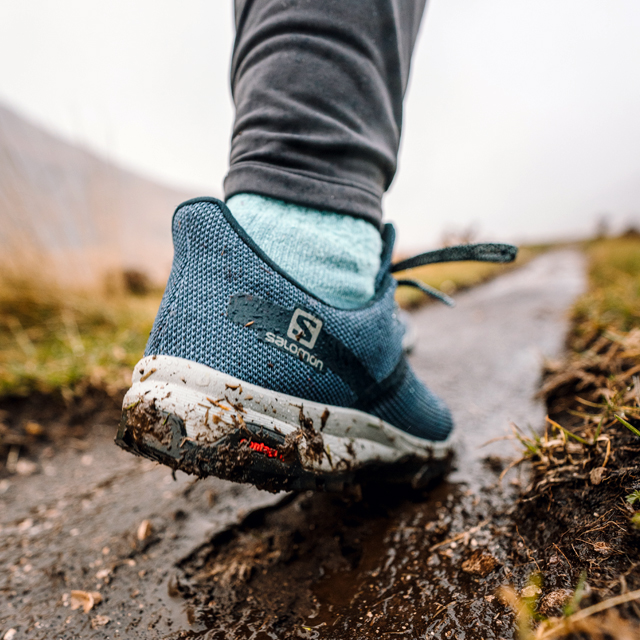
Underpronation, or supinators, usually have high arches on their feet. Their feet generally hit the ground starting at a steep angle from the outside. However, the feet then has very little inward roll, causing shock to be transmitted in a focused area of the foot and leg. With so much pressure on the outside portion of the foot and leg, you have an increased chance of shin splints, plantar fasciitis, and ankle strain. One easy way to check if you have under-pronation is to check your old pair of shoes. If the wear is mostly on the outside of the sole, you most likely are under pronating. Another way to check is if you set your shoes on a flat surface, you may see an outward tilt. This type of pronation typically needs stability support shoes to help compensate.
Neutral Pronation
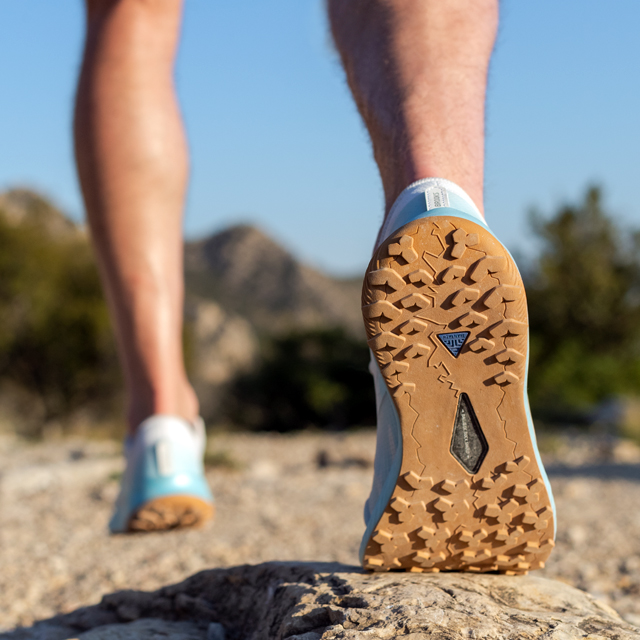
Runners with neutral pronation generally also have a neutral arch. Neutral pronation means that your foot starts on the outside and then rolls inwards once it hits the ground. This evens out the distribution of shock throughout the feet. While it doesn’t mean you are immune to injury, having neutral pronation means that shock injuries are less likely. To check if you have neutral pronation, check your old pair of shoes for an S-shaped pattern in the sole. This would represent an even wear on the shoe. On a flat surface, your shoe would not have any tilt. For this type of pronation, you’ll need shoes with neutral support.
Overpronation
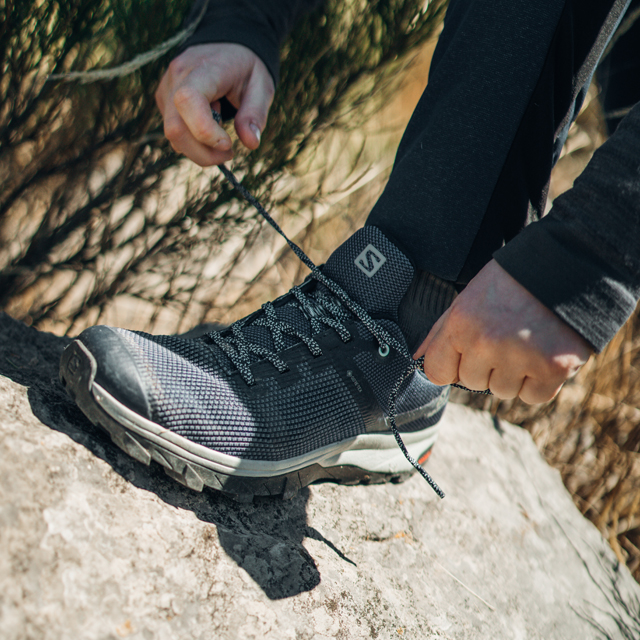
Overpronators usually have flat arches. The outside of their feet lands and then rolls inward at an angle. This focuses much of the shock toward the inner portion of the feet and legs. Over time, this could cause bunions, shin splints, heel spurs, and plantar fasciitis. To check for overpronation, you’ll see more wear on the inner portion of the sole. On a flat surface, your shoe will tilt inward. Typically, you’ll want to use motion control shoes to help your feet.
How to Fix Pronation

Now that you have this information, you may be wondering how to fix your underpronation or overpronation? There are many options to do this. The most common are getting specific shoes to help support your feet and orthotics. Each option has its pros and cons.
Supportive Shoes
Finding the right supportive shoes can be a bit tricky. One thing that you definitely want to do is find experts in the field who understand the intricacies of shoes. Experts such as those at your local Sun & Ski Sports can help you choose the right shoes for your adventure. Whether you are running, walking, hiking, or exploring the town, there are plenty of shoe options to choose from. Overall, you’ll want to find shoes that support your style of activity and your feet. The good thing about supportive shoes is that its design helps correct your pronation.
The Right Orthotics for Pronation
Orthotics are a great choice to help correct your over- or under-pronation. They are removable and work with many shoes. For some runners though, they don’t like the feel and added weight of orthotics. Orthotics that help with pronation have many features including gel inserts, supportive shells, and extra cushion in certain areas.
By learning whether you over- or under-pronate, you can use the information to help your running adventures. Need more running tips or info? Check out our other blog pieces including how to run in the elements or the importance of stretching after a run. And, if you need more running gear, you can always check us out in-store or online at your local Sun & Ski Sports.