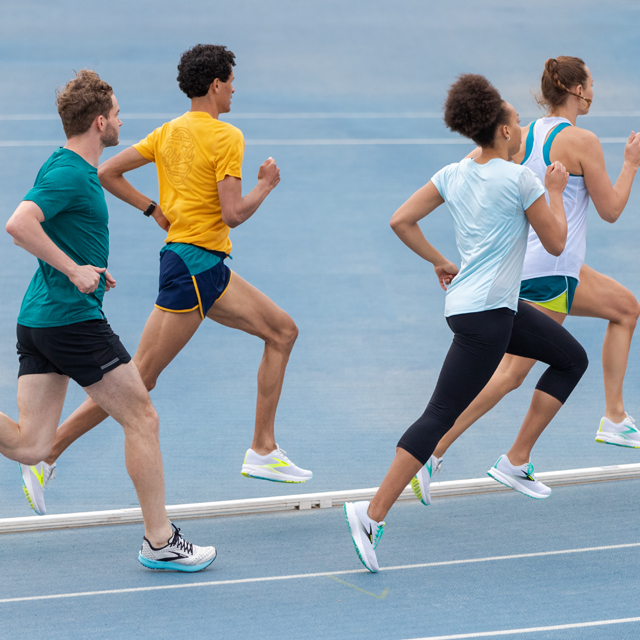
Whether you are just getting started as a runner or your wall is littered with medals from past victories, there is a race for every person and skill level. While jogging for exercise is a great activity in itself, mixing in some competition can be a great motivator as you train and challenge yourself to run further and faster. Have you ever wondered what types of races are out there to choose from? Maybe you want to participate in a race, but you just don’t know where to start? Read on to learn about different races that you could sign up for today, from classic distance races to the more unique competitions.
5k Races

Aside from a simple one-mile race, the 5k is the shortest race you can run. Its 5 km (3.1 mile) length draws beginners and seasoned runners alike. The short distance of the 5k makes it very versatile, and many charity events or themed runs will use this format to draw competitors of all calibers. If you’re new to racing, completing a 5k is a great place to start.
10k Races

This 10 km run is twice as long as the 5k, clocking in at a distance of 6.2 miles. The 10k provides more of a challenge to racers. It can be used as a way to train for longer runs, like the half marathon or full marathon.
Half Marathon
The half marathon kicks racing into high gear with a distance of 13.1 miles (about 21 km). Running a half marathon usually takes two hours for the average runner. Because of its long-distance, this race and other long-distance races often have volunteers stationed along the route to pass out water and other things to the runners as they pass. The longer distance and increased number of participants usually make half marathons and marathons a larger event compared to shorter, more casual races.
Marathon
Running a marathon is a mark of true skill and dedicated training for any runner. About 8 times as long as a 5k, the marathon stretches on for 26.2 miles, or 42.195 km. The average marathon runner takes around 4 hours to cross the finish line. Beginner marathon runners often take months beforehand to train in preparation for the grueling task of completing the race. That’s not even mentioning the couple days of recovery afterwards. Despite all this, completing a marathoin is considered on of the ultiamte goals of a runner. Together with the pomp and pagentry of the event, a marathon is something to aspire towards.
Ultramarathon
Running races that have a distance longer than the 26.2-mile distance of the marathon is considered an ultramarathon, or an ultra-run. Skilled runners that are in peak condition might want to try their hand at one of these expert-level races. An ultramarathon could cover distances up to 5000 km (equal to one thousand 5ks back to back), with some races spanning over a week long.
Triathlon
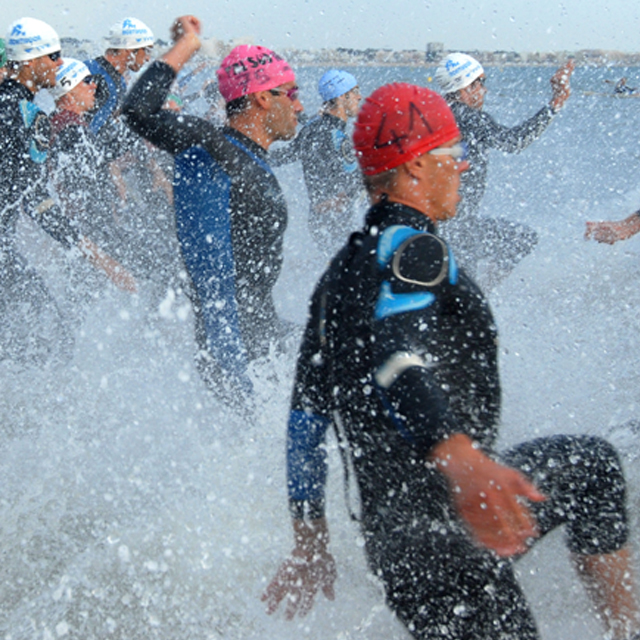
A triathlon consists of three different races: swimming, biking, and running. Each section of the race usually has timed intervals in between for transitioning between activities. The distance or time allotted for each section usually differs, but most triathlons follow the standard order of swimming first, biking second, and running last. For example, the Ironman triathlon consists of swimming for 2.4 miles, biking for 112 miles, and then running a full marathon. A beginner triathlon will have much shorter distances, such as swimming 300 yards, biking for 5 miles, and running a 5k.
Fun Runs and Obstacle Runs
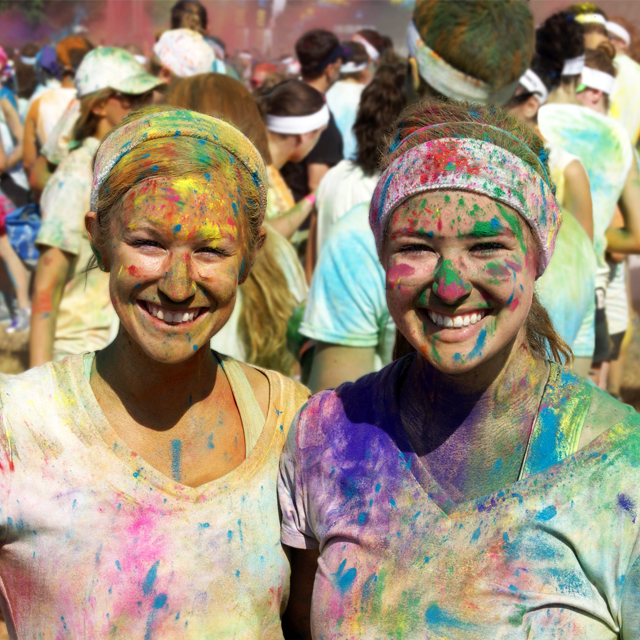
Some races take the basic format of a road race, like the 5k or 10k, and up the ante with themes, obstacles, fun elements, and other added challenges. Color runs incorporate powder paints or colorful sprays to paint runners as they complete their race. Other fun runs like zombie runs or glow runs take the focus of the race off the physical strain and add in exciting elements to draw even the most reluctant runners to the race. Obstacle races like the Spartan Race also have some elements of fun, but these races can also be incredibly challenging. Obstacles like rope climbs, barbed wire crawls, and spear throws are designed to test your endurance and determination at every turn.
Trail Racing
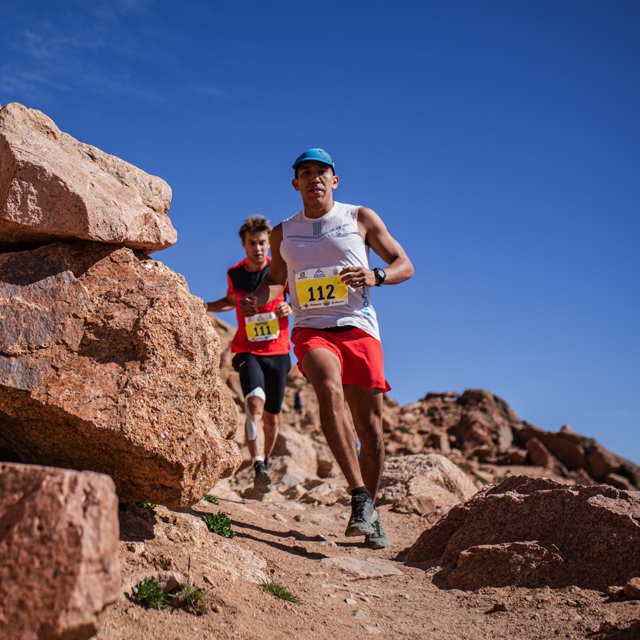
Trail racing puts a runner’s strength and endurance to a different kind of test by ditching the pavement in favor of hilly, rocky, or mountainous trails. Racing on a trail presents unique challenges as you traverse ground that’s more unpredictable than just a flat stretch of road. Navigating rocks and roots adds a layer of difficulty. However, running on a trail actually softens the impact on your muscles. Other benefits of trail running include improving your balance, burning more calories, and building strength in muscles that usually aren’t as engaged in regular racing.
If you’re new to running, it’s perfectly okay to start with easier races, such as a 5k or a fun run. If you’re an experienced runner, maybe you could try branching out from your usual races. Whether your goal is to earn a first-place medal or just to feel the rush of crossing a finish line, running races can be a rewarding and social way to put your skills to the test. Because of the global pandemic, some races might be postponed for the foreseeable future, but many race organizations are offering virtual runs that you can complete at home. If you’re new to running, check out our Beginner’s Guide to Running for more helpful tips as you start training for your first race. For more info on gear and helpful tips on running, visit us in-store or online at your local Sun & Ski Sports.