It’s the wintertime and that means days of shredding powder and going up and down on the slopes. Imagine flying in on a late afternoon flight, getting to the resort, and falling asleep dreaming of the primo conditions you’ll be facing in the morning. In the middle of the night, you wake up with a massive headache, intense nausea, and feel like a truck just hit you. The next couple of days, you watch as your group heads out to enjoy the mountain as you sulk at the lodge. How do you go about avoiding this situation? The first thing is to ask the question “what is altitude acclimation.”
What is Altitude Acclimation?
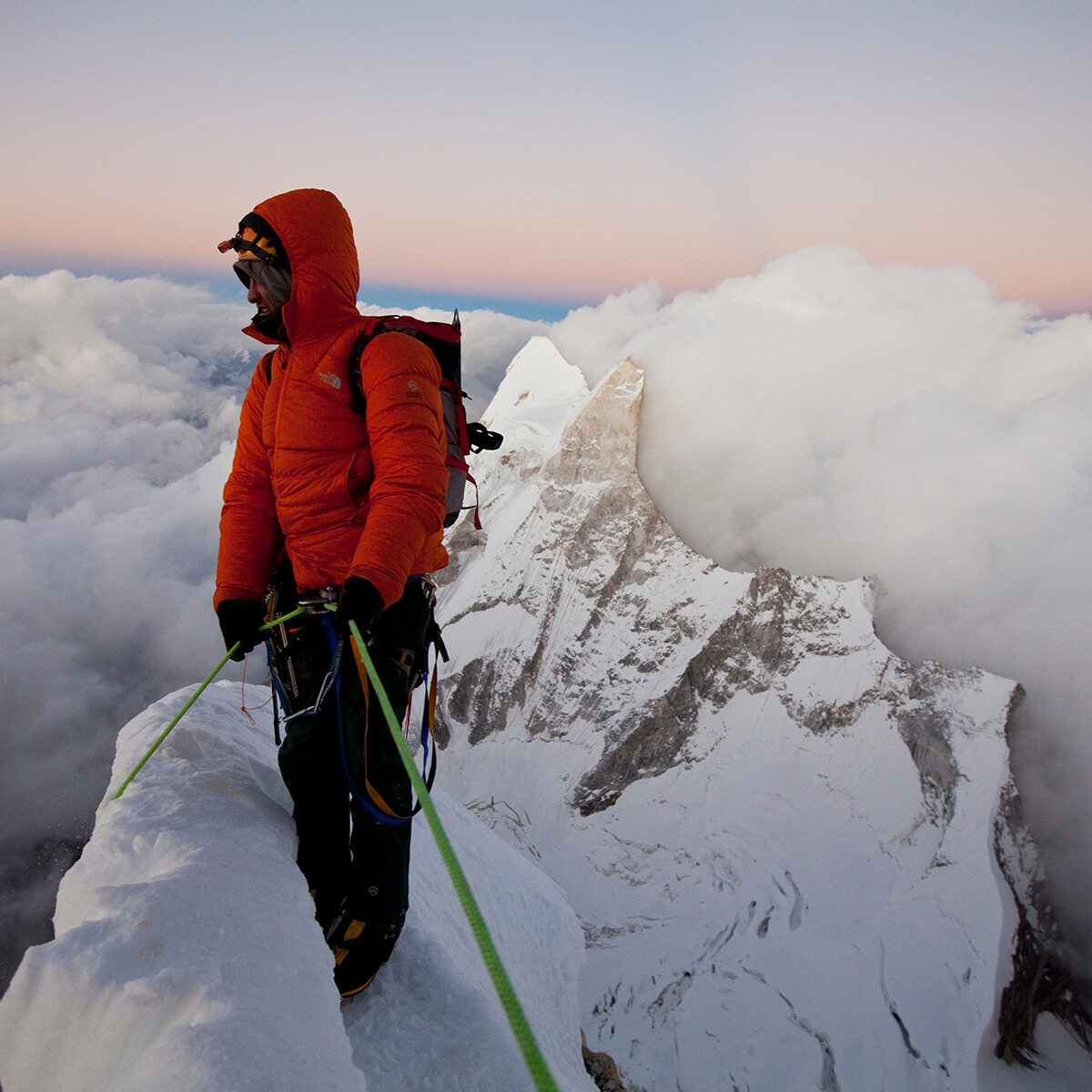
Altitude acclimation is the process of getting your body adjusted to the higher altitudes and prevent the symptoms of altitude sickness. As you go higher from sea level, oxygen levels decrease. At sea level, about 20% of the air you breathe is oxygen (the majority is nitrogen and other trace elements). At 12,000 feet, which is High Altitude, you are breathing in only about 13% oxygen.
The decline in available oxygen, combined with your body used to taking in the 20% oxygen at sea level, can make your body work incredibly hard to compensate. For some people, their bodies can quickly adjust with no effects. For others, the decrease in oxygen can cause altitude sickness with symptoms such as nausea, headaches, and an increase in both heart and breathing rates.
So now that you know what altitude acclimation is, how do you fix it? Here are a few steps and methods you can use to help your body adjust.
Start Slow
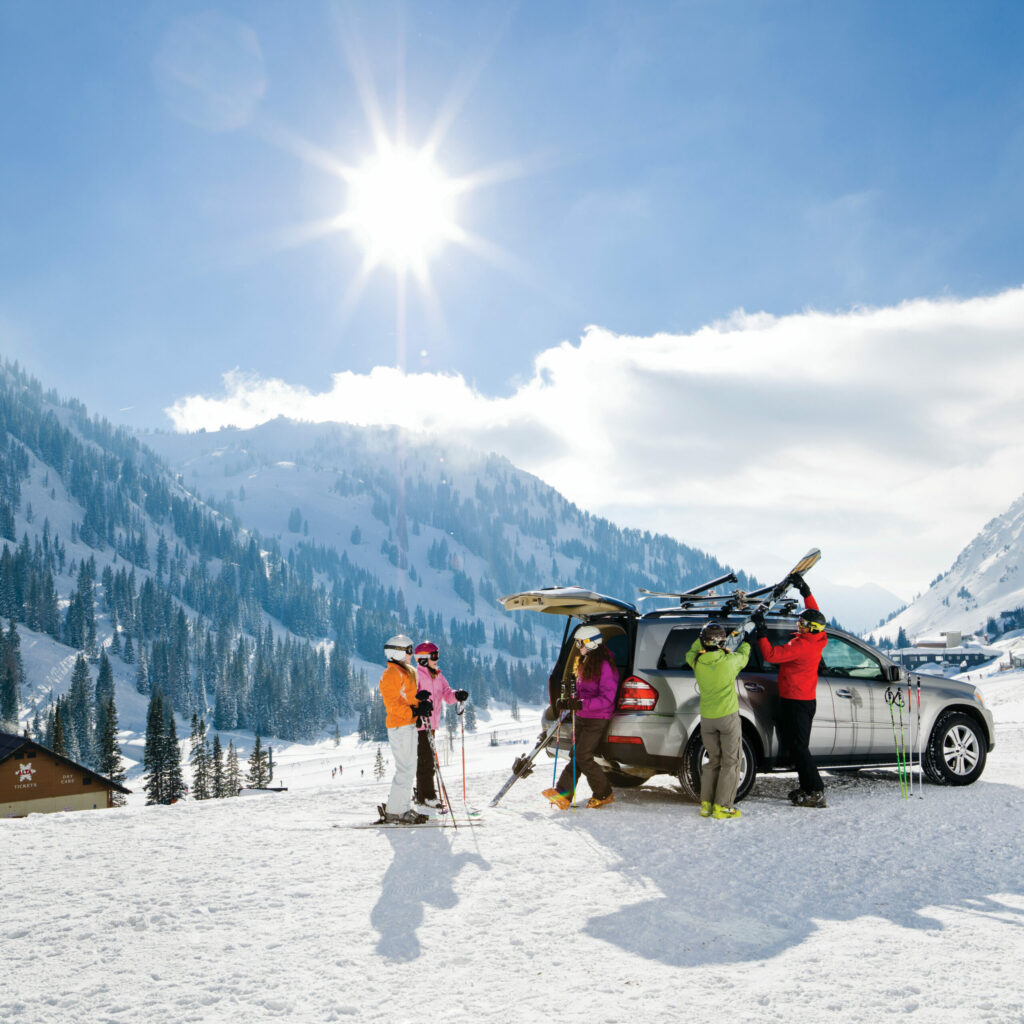 This fully locking roof top snowsport carrier slides from on top of the roof to the side of the car for easy loading and unloading. New Speedlink hardware mounts fast and secure.
The easiest method of altitude acclimation is to allow your body to naturally adjust. Instead of going straight to the high-altitude lodge or resort, plan a stop in between to allow your body to get used to the thinner air. While this may add an extra day or even take away time on the mountain, the extra day spent getting used to the higher elevation can more than make up for it. Sometimes it pays to take it slow.
Start the Party Later
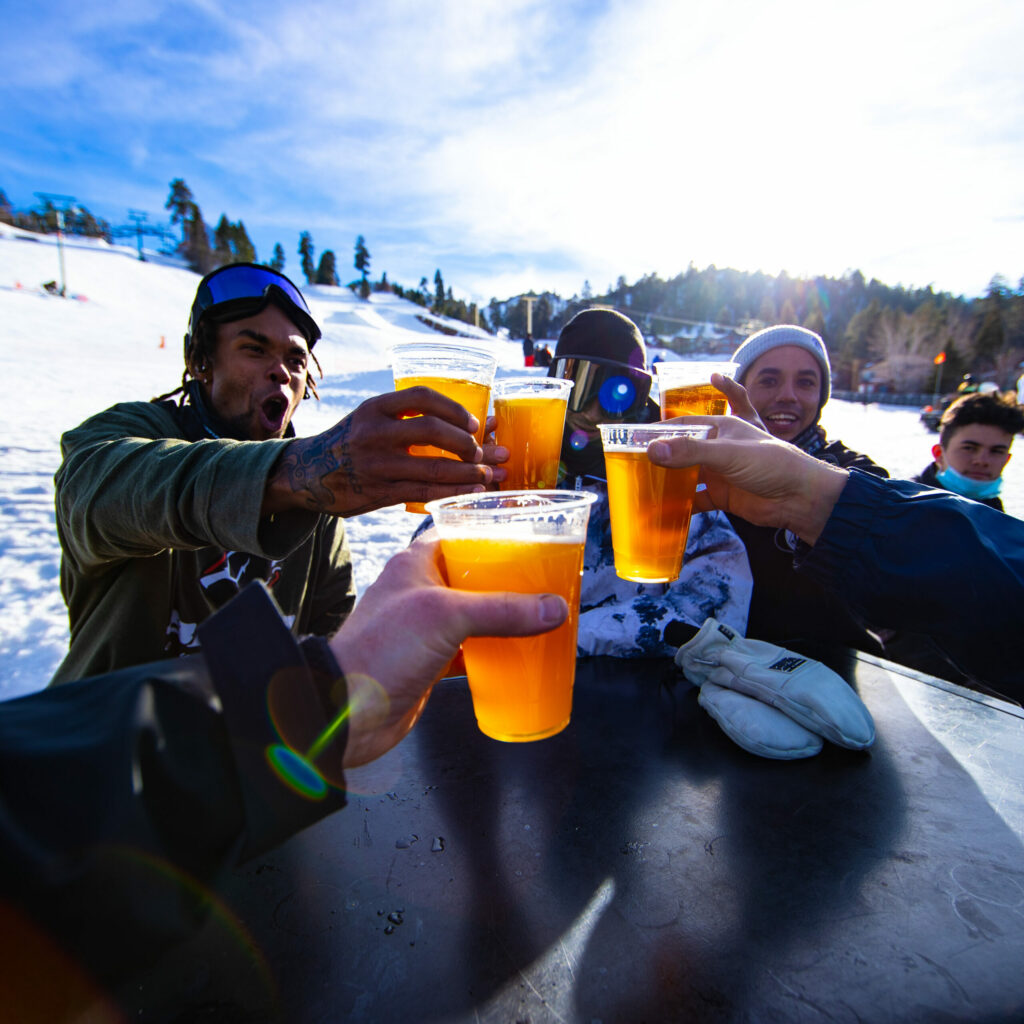 Jonathan McDonald, Sean McGowan, Daniel Brown, Mike Gray enjoying apre ski beers at Big Bear
The party can wait! Once you arrive at your high-altitude destination, avoid partying it up with alcohol. As a depressant, alcohol can actually slow down your breathing, which can cause your body to not get the amount of oxygen it’s used to. Combined with being in at a higher altitude, you could be in for one of the worst hangovers you have ever experienced. Acclimate before getting the party started.
Preventative Supplements
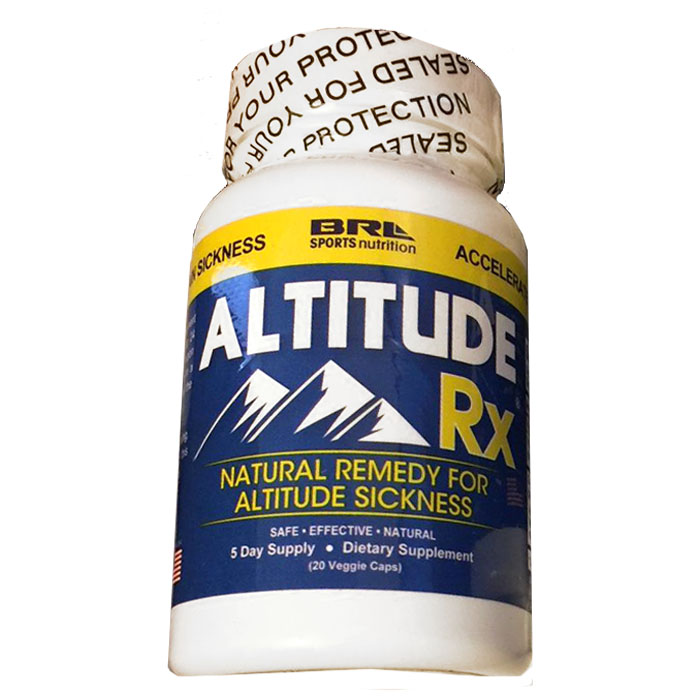
There are some ways to prevent altitude sickness and even cut into the symptoms you may face. Supplements such as Altitude RX are created with all-natural ingredients such as Gingka Biloba leaves, Rhodiola Rosea, and vitamins such as C and E to help combat altitude sickness.
Another way to help combat altitude sickness are products such as Oxygen in a Can type products. You can pick these up locally as most airlines won’t allow these types of products on flights due to their potential fire hazard or without a myriad of paperwork. They are essentially concentrated oxygen at around 90%+. Breathing this in will help alleviate much of the symptoms associated with altitude sickness.
What To Do If I get Altitude Sickness
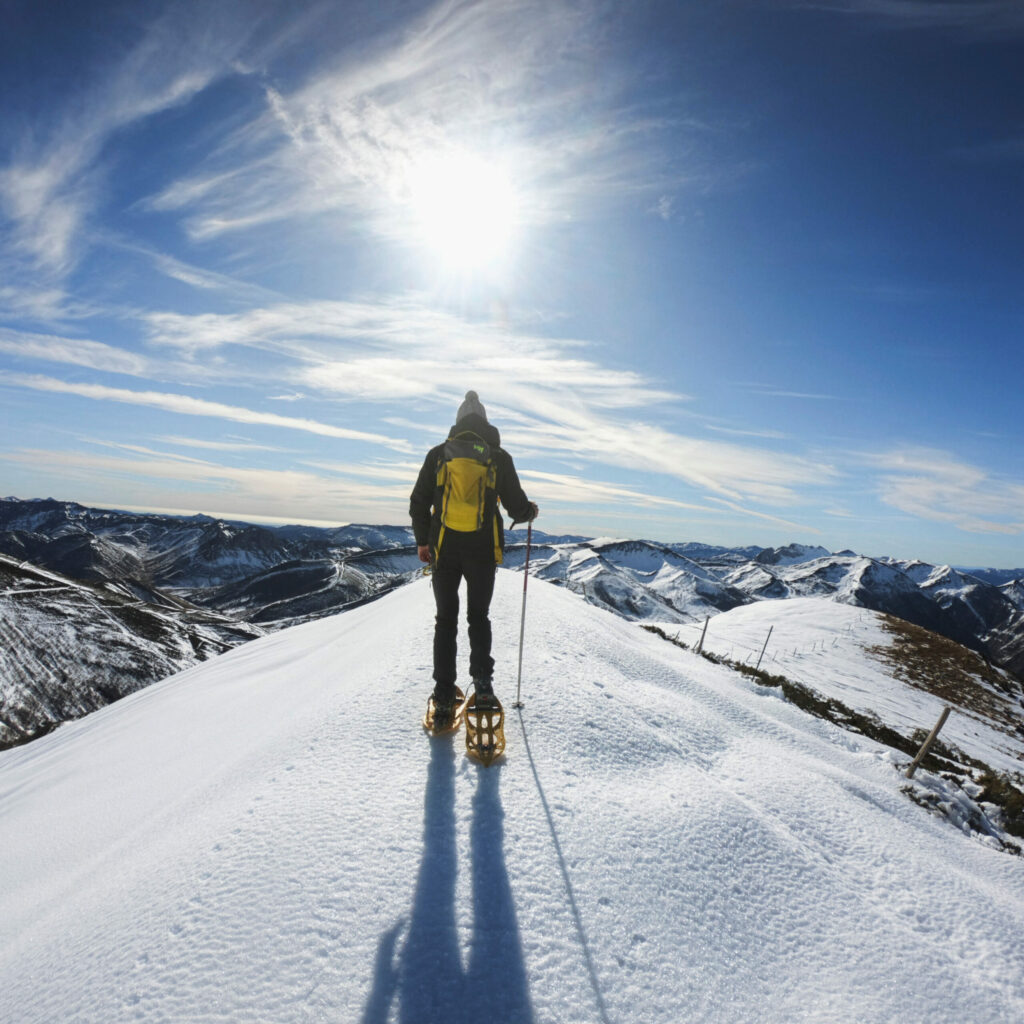
Even with some of these preventative measures, you may still get altitude sickness. If you do, there are a few methods and tips to consider such as drinking water, avoid sleeping, and moving to a lower altitude.
Drink More Water
One of the worst symptoms of altitude sickness is nausea. For some, it may involve vomiting. In severe cases such as this, the danger is dehydration from a loss of fluid. Be sure to drink plenty of water as it not only keeps you hydrated but also helps your body’s cells move oxygen around in your bloodstream. Keep around your favorite water bottle to stay hydrated.
Avoid Sleeping In
You may not be feeling the best when you have altitude sickness, but sleeping in should not be your first choice. Many people feel the effects of altitude sickness after their first night on the mountain. That is because at night when you sleep, your body is resting and takes shallow breaths. These shallow breaths don’t allow the optimal amount oxygen to get to your body as it would when you are awake. Your best bet is to help your body by focusing on getting more oxygen to your body. Stay awake and stay somewhat active as your body adjusts.
Move to a Lower Altitude
If your symptoms become unmanageable, your best bet is to move to a lower altitude as soon as you can. Altitude sickness can become deadly if not properly managed. Most people start feeling better once they move to a lower altitude and normalize their oxygen levels. Consider this as an option if needed.
Now you know what is altitude acclimation and how to prevent it. If you are at a resort, there may be other options available, so ask them what you should do if you are dealing with it. To help prepare for your next outdoor adventure, come check out one of your local Sun & Ski Sports.