
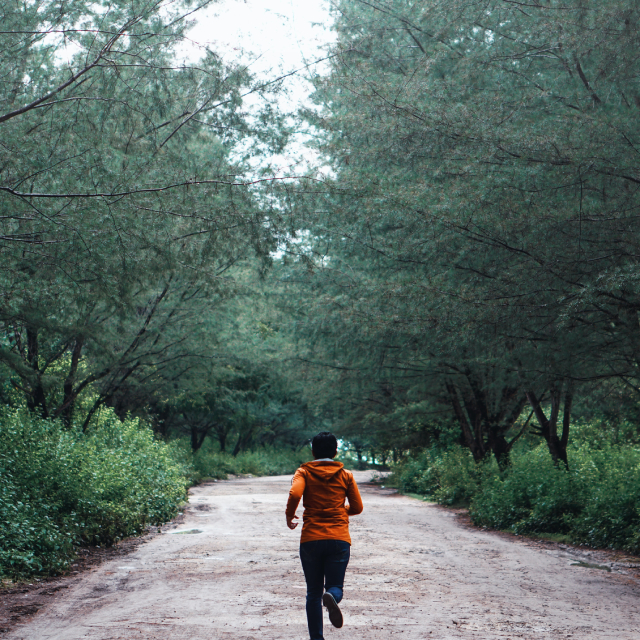
Do I need to stretch after a run? The short answer is “yes!” We’ve all heard that we need to stretch before a run (or any strenuous activity) to prevent injury. But stretching after a run is just as important. A run or jog is an excellent way to get your heart rate up and break a sweat. Stretching after physical activities benefits your body, alleviates muscle soreness, and is good for overall health. Stretching doesn’t have to take much time because even just a few minutes of stretching can be a great post-run cooldown.
Taking the time to properly and safely stretch after a run improves flexibility and can help to prevent injuries. Remember to take it slow and not push your body when you’re practicing stretching poses. For someone with a lower flexibility level, stretching tight and sore muscles can feel uncomfortable, but it shouldn’t be painful. Always consult a medical professional or stop stretching if you feel intense pain.
Other factors besides stretching that aid in a successful run include your terrain and running shoe. With each stride, your foot makes contact with a hard surface such as a trail, pavement, or treadmill which impacts the entire body. A quality running shoe can make the impact a little easier on the body. Since your muscles are continuously working, they are constricting during your run. Stretching helps to lengthen the muscles, loosen them up, and ease soreness.
Muscles to Target When Stretching After a Run
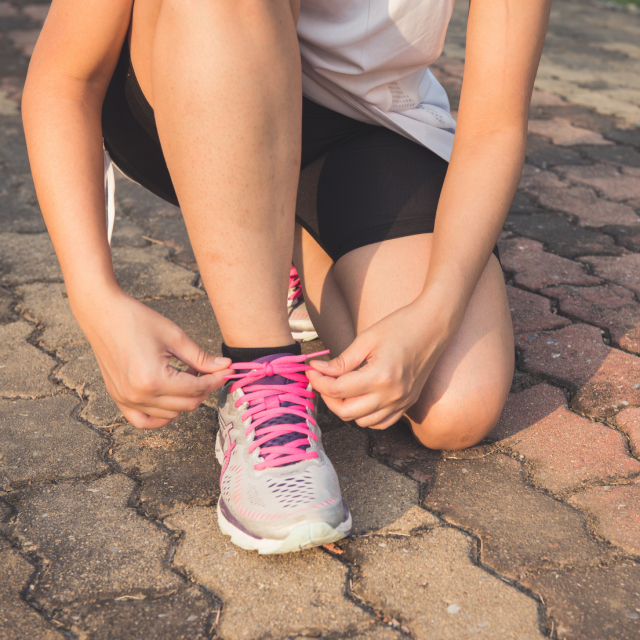
Stretching after a run is important! Here are some target areas to stretch with some example stretches. Remember, stretching should not hurt. If you are experiencing pain while stretching, you may need to consult with a medical professional.
Thighs
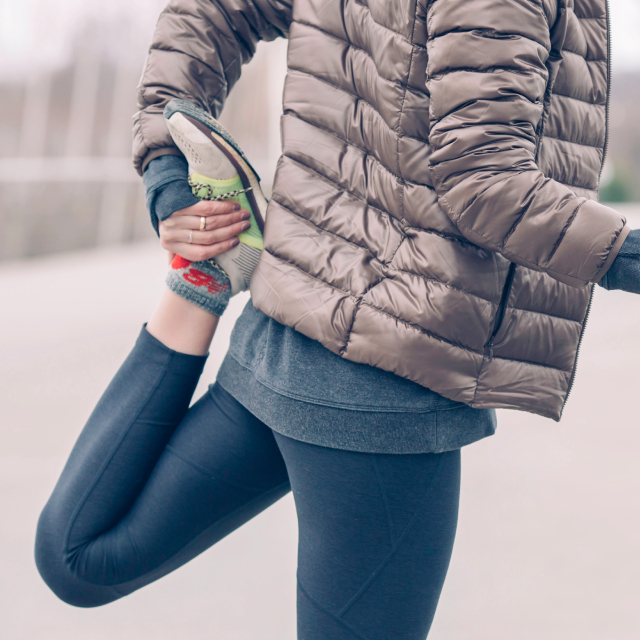
The thighs do a lot of the work during a run. Stretch your thighs by standing on one foot to begin. Using a chair or wall to steady yourself, bring your other leg back so that your heel touches your backside. Hold this pose for about 30 seconds each leg.
Hamstrings
The hamstring, located behind your thigh, has a variety of different stretching variations you can practice. A common variation is to start seated on the ground and pull one foot toward your inner thigh and extend the other leg, lean forward over the extended leg with your back flat, not rounded. Grab your foot or toe if you can. Remain in this position for about 30 seconds before switching to the other leg.
Calves
Like the thighs, the calves do a lot of work when running so it’s important to stretch them out to avoid soreness. To do a common standing calf stretch start with one leg back behind the other, similar to a high reverse lunge. Keep your back knee straight and bend the front knee until you feel a good stretch in the calf. Hold each side for around 30 seconds.
Hip Flexors
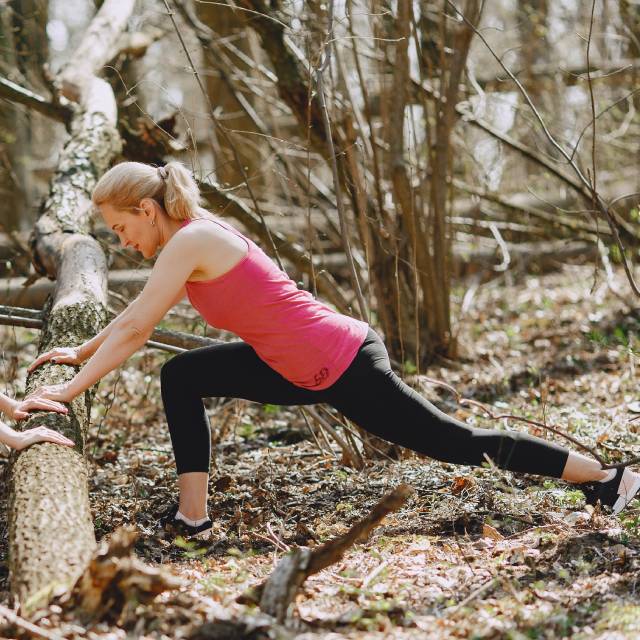
Hip flexors are a muscle group at the top of your thighs. If your hip flexors are tight, it can affect your lower body. Hip flexor strain can be painful, so stretching these muscles can provide relief. To start, put one knee on the floor and the other leg out in front of you at a 90-degree angle in a low lunge position. Place both hands on your knee or hips. While keeping your back straight, lean slowly into your front leg. Hold this position for up to 30 seconds before switching to the other leg.
Glutes
The glutes, also known as the buttocks, is another crucial area on the body to stretch after running. Lie on your back with your feet flat on the floor and your knees bent. Then, cross one of your ankles over your knee and pull your other leg up to feel a stretch in your glute. Hold this stretch for at least 15 to 30 seconds before switching sides.
Lower Back
A great stretch for the lower back is to lie on your back with your knees bent and feet on the floor. Wrap your arms around the tops of your knees and gently pull your knees to your chest, lifting them off of the floor. Hold this pose up to 30 seconds. You can also slowly rock side to side or forward and back for an added stretch.
Neck
Although it may seem unlikely to injure your neck during a run where the legs do most of the work, the neck is a vulnerable area. To perform a simple stretch stand upright and use your hand to pull your head gently to one side. Your ear should be pointing towards your shoulder. Hold this pose for around 15 to 30 seconds before repeating on the other side.
Arms
To stretch out your arms, place one arm down by your side and the other across your chest. Using the arm down at your side, fold the arm up so that it is holding the one across your chest. Hold this stretch for about 15 to 30 seconds before switching to the other arm.
Whether you are a beginner who has just discovered running as their new passion or an avid runner who can go for miles, stretching after a high impact workout is important. To avoid injuries and ease sore muscles follow these stretches after you run or perform any physical activity. Always remember to stretch both sides of the body for equal amounts of time to reap the optimal benefits. For more running tips such as safely running at night or our beginner’s running guide, visit our blog. And as always, if you want more expert advice on your running adventure or quality running products, visit us at your local Sun & Ski Sports.