Did you know that the right bike clothing can affect your overall comfort levels when riding? That’s right, your clothing can really make or break your experience. From the material to the fit, the right clothing will make you want to enjoy your ride for longer, so you can experience your adventure to the fullest! But how do you figure out the best bike clothing for you? Whether you’re new to cycling or just picked up a new healthy habit to get around, we’re here to help you get fitted and kitted!
Road Warriors: The Most Aerodynamic Clothing for Biking
Much like our bike buying guides, the type of clothing you need to wear depends on what type of cycling you’ll be doing. For example, if you’re a road warrior or a go-fast cyclist, you’ll want to stay away from loose clothing, as it can flap around in the wind and the breeze can create drag and slow you down. Instead, you’ll want something form-fitting, preferably made from Lycra®, polyester micro-piqué, micro mesh, or nylon. These technical fabrics not only help with moisture management, but they also feel nice on your skin and allow you to shave off seconds on race day! For a high-quality brand that meets these requirements, you’ll love Castelli. In fact, Castelli is an Italian cycling clothing brand that introduced the Lycra® fabric to the world in 1977 with its first aerodynamic Lycra® shorts! Luckily, at Sun & Ski Sports, we’re proud to offer a wide assortment cycling clothing.
The Trail Tacklers: Coverage is Key for Your Bike Clothing
If you’re a MTB rider who seeks those flowy lines on the trails, you typically want your kits to resonate that same flow and steez (steez = style + ease, do you ever notice how some people do things so effortlessly but make it look so cool at the same time?). While recognized as jerseys when referring to tops (both short and long sleeve), you’ll notice that the fit is looser and even slightly longer in some areas. When buying a jersey, recognize how the back (drop tail) fits. With more coverage at the bottom/seating area, you’ll avoid getting mud/dirt on your pants or shorts! The most common materials found in mountain bike clothing are polyester and a technical fabric that works to wick away moisture. For mountain bike equipment unlike any other, check out Fox Mountain Bike Gear.
Relaxed Riders: Comfortable Clothing Allows for a Memorable Biking Experience
Casual riders and commuters, we haven’t forgotten about you! While you can technically wear whatever you want, we recommend clothing that keeps you comfortable and cool, especially in the summer. So, if something form-fitting is your jam, put it on! Or, maybe you like the looser fit! Maybe you even want to let your hair down, and let it flow in the wind (that just means you’re going fast anyways, right?). Comfortable = fun, but let’s look at other ways we can stay comfortable and have fun!
The Importance of Bike Shorts & Bottoms
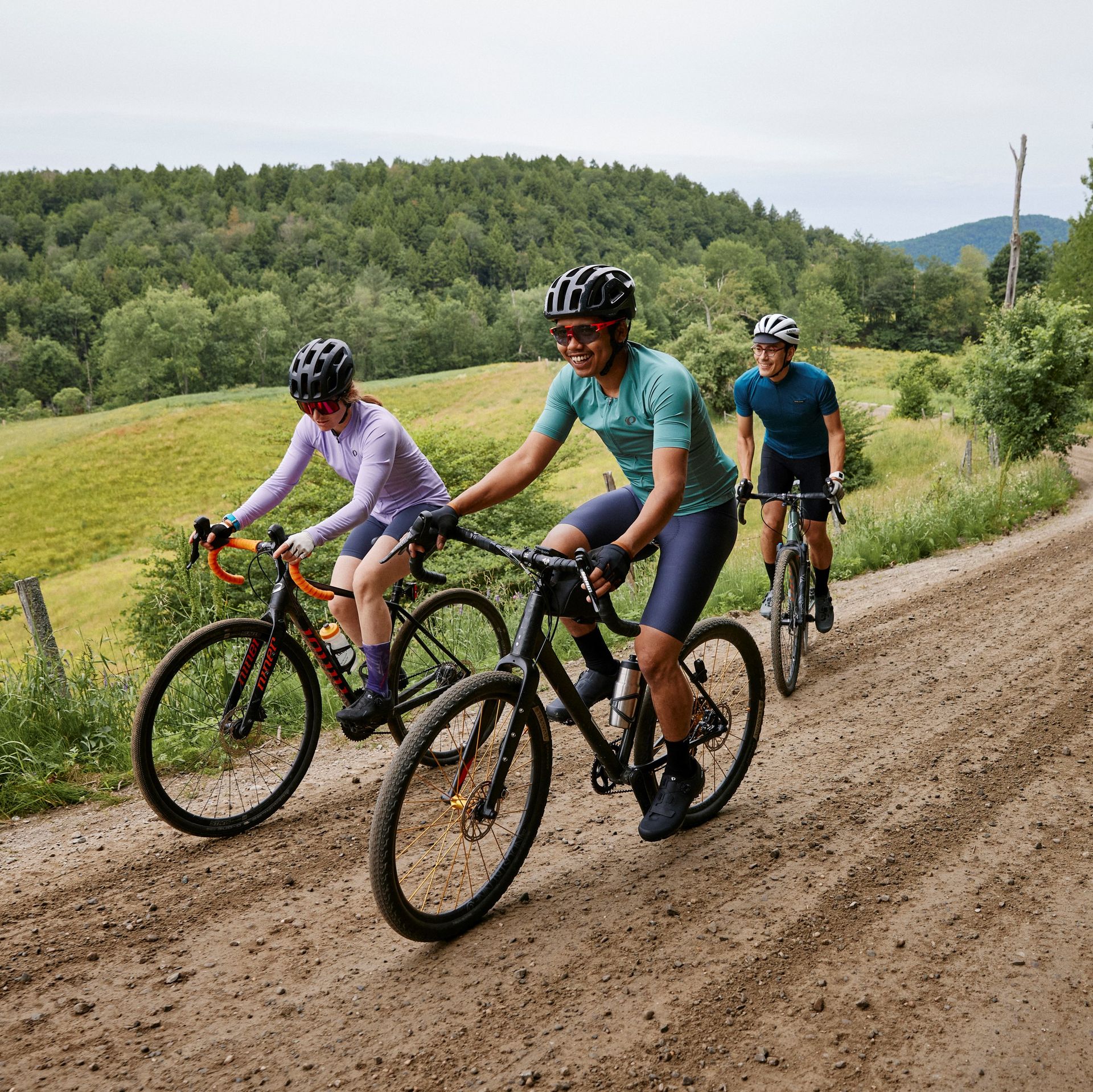
Primarily made from stretch fabrics so you can move freely at any rate that you’re pedaling, it’s important for your bike shorts to be thigh-length. We recommend wearing bike shorts that feature a grippy elastic on the inside at the leg opening, as this is designed to keep the shorts from riding up when pedaling about.
Experience Maximum Comfort in Bib Shorts
Commonly worn by road and gravel cyclists, bib shorts allow for maximum comfort. Since road and gravel cyclists typically ride in a more aggressive, hunched-over position, bib shorts are best for this type of biking as they don’t have any waistband, and there’s zero chance of any breathing restrictions. As the opposite of MTB shorts, bib shorts are form-fitting to prevent any sort of wind drag. They also feature silicone leg grippers at the thighs, and suspender-style shoulder straps to keep the shorts in place.
With different lengths of bibs, you can choose which you prefer. From bib knickers that cover the calf like capris, to bib tights for full-length coverage of the entire leg which is perfect for colder weather riding—you cannot go wrong with either option. In terms of material, Lycra® fabric has enough stretch to where it doesn’t bunch up to cause chafing, however, it must be noted that chafing still is not 100% avoidable.
An Extra Layer of Padding: The Chamois
Also known as padding, the chamois is a built-in/sewn-in padding that’s designed to be an extra comfort between you and the bike’s saddle to help prevent saddle sores. Sometimes made of gel, the chamois ill also typically feature an antibacterial treatment to prevent bacterial growth. While a saddle that fits you can help with overall comfort, pairing bike shorts with a chamois is just the cherry on top for a great ride. If you want to take you comfort a step further, chamois cream is a great skincare step that helps with friction.
The Importance of Breathable Mountain Bike Shorts
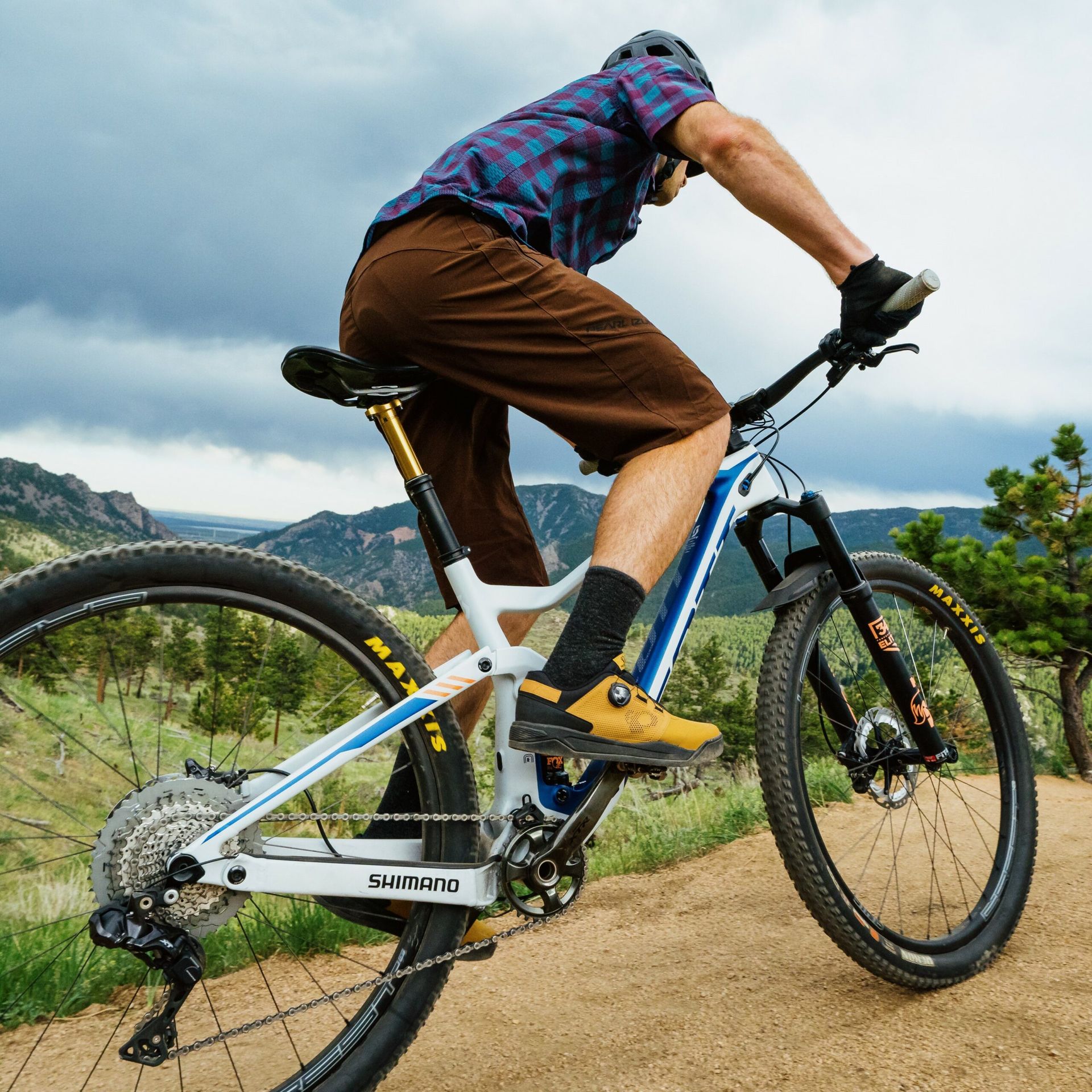
Did you know that MTB shorts are designed to look like casual shorts? The main difference is that they feature a couple more zipper pockets to add functionality. For example, you can bring your keys without worrying about them flying out of your pockets, stash some energy chews or a protein bar! Honestly, whatever you can fit works. Some mountain bike shorts have a liner included, but the construction and fabric type are the main points to consider when buying a new pair. Polyester tends to be the primary material, but there can be variations—like recycled polyester, for example. Some brands may even have their own technical fabric, like Fox’s TruDri®. Regardless, we recommend shorts that have a durable water repellent finish, so your clothing repels water on those somewhat wet days. Plus, you can never go wrong with any sort of moisture-wicking material that’s lightweight, as the ventilation allows for free movement and knee pad compatibility so there’s no interference when you’re out on the trails.
Bike Jerseys Tailored to Your Riding Experience
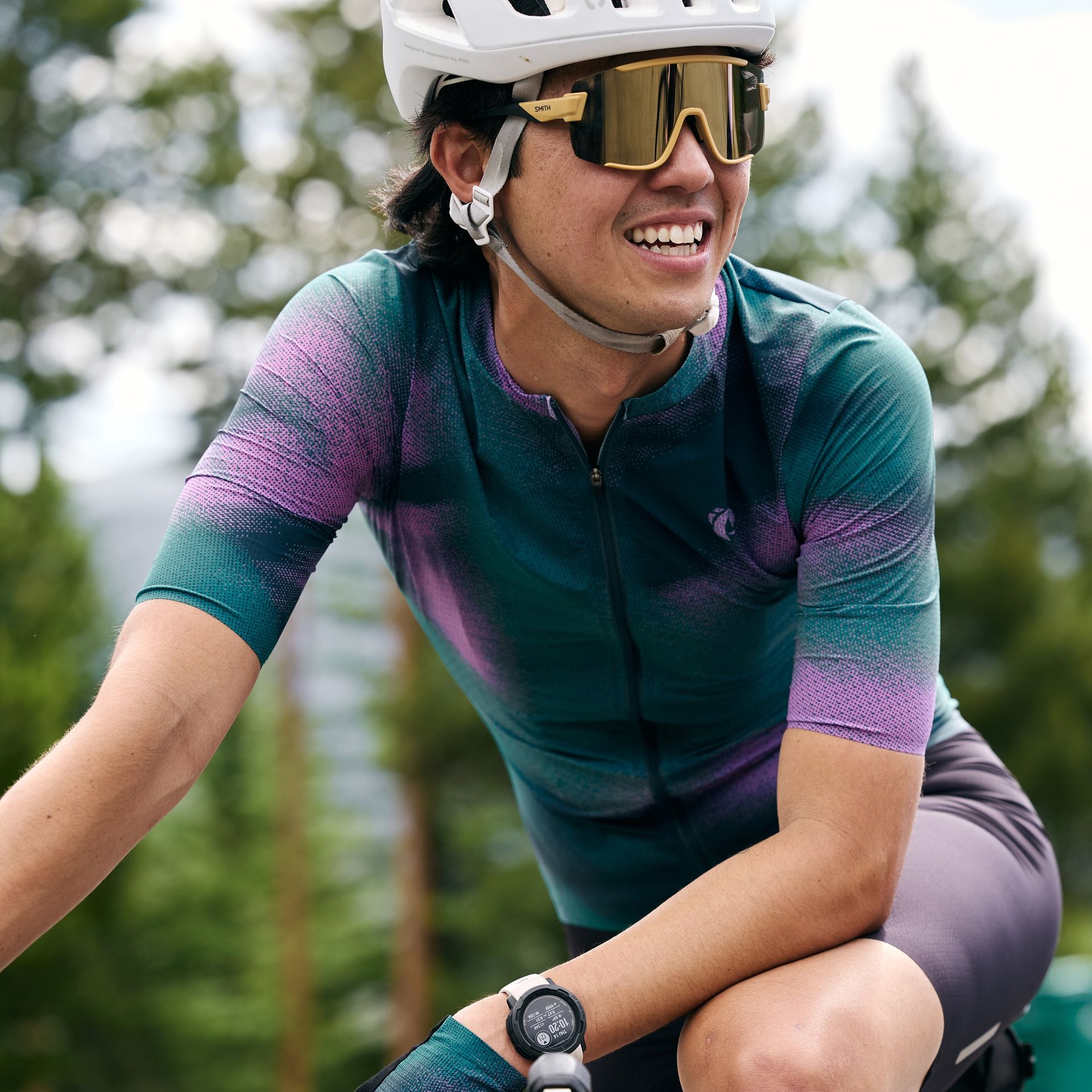
No matter what sport you’re participating in, jerseys are always purpose-built, and cycling is no exception to this. For road and gravel riders, we recommend a cycling jersey that is form-fitting and short sleeve. They also typically need to feature a zippered front, as well as pockets in the back (similar to a kangaroo pocket in a pullover hoodie). Depending on the weather conditions, some jersey fabrics are made with micro-mesh material—which are great for cooling and ventilation, especially with moisture-wicking properties. Merino wool is another popular cycling fabric as it’s lightweight, feels great against the skin, and is technical enough to wick away moisture during cold weather. Plus, it can also keep you cool during the summer! If you’re looking to protect your skin from the sun’s UV rays, we recommend a jersey with a higher neck cowl. Be sure to look out for a longer cut/drop tail feature, as this allows for more coverage when you get set into your aggressive riding position. Also, don’t forget about checking for reflective material—as that is the ultimate sign of making others aware of your presence when riding on the open road!
MTB jerseys also need to have a drop tail feature—as the lightweight, full coverage allows for extra comfort. Typically, MTB jerseys have a looser fit as comfort is the main priority on the trails (rather than aerodynamics). Along with the looser fit, the primary materials are going to be polyester, just like the shorts!
Common Bike Clothing Fabrics Summarized
Overall, it’s important to remember that the majority of materials used in bike clothing contain breathable fabrics that are lightweight for summer, and medium weight for warmer weather. They typically also feature moisture-wicking properties and antibacterial/antimicrobial fabrics. And just because it contains wool, doesn’t mean it has to be worn in cold weather! In fact, fabrics like Merino wool are extremely breathable and lightweight, and can be worn in any environment. Nevertheless, polyester, nylon, elastane (Lycra® , and lyocell are the foundations of cycling clothing. Lyocell, (also branded as TENCEL™) however, is a bit newer to the biking world. With its semi-synthetic fiber, lyocell is a great alternative to other fabrics. TENCEL™ is made from wood pulp with a mixture of chemicals – that’s why it’s a semi-synthetic fabric, as it’s a little bit of both! Although this fabric isn’t exactly cost-efficient because of the detailed process it takes to make it, it does have a soft feel. Plus, it’s extremely breathable, has natural antibacterial properties, and has high moisture-wicking abilities along with medium heat retention abilities. So, the next time you see higher priced cycling garments, they could be made with lyocell, or branded as TENCEL™!
There you have it, an explanation of cycling fabrics and what the differences are between different bib shorts, bike shorts, mountain bike jerseys and cycling jerseys! Now that you know what bike clothing is best for your next adventure, be sure to check out our collections for road & gravel riding, or MTB clothing! Here at Sun & Ski Sports, we have all the bike clothing you need to ensure a memorable day of riding.