
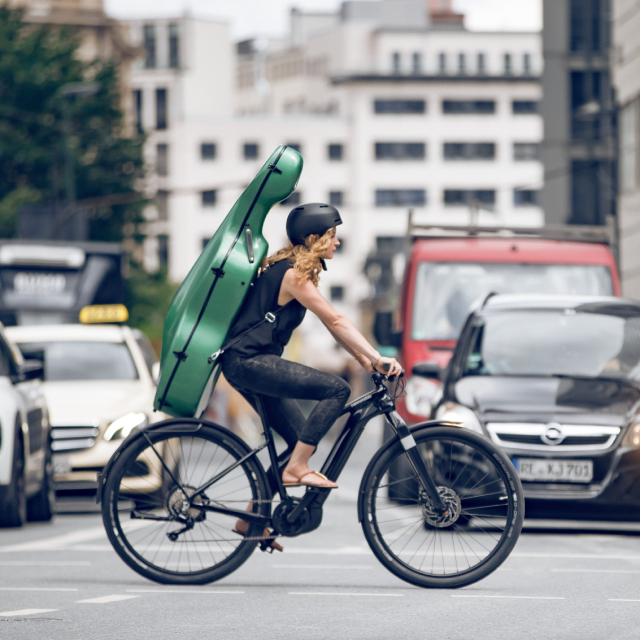
There are many reasons people are choosing to ride their bikes. This can range from wanting more exercise or simply reducing their carbon footprint. However, in cities, riding can be a little intimidating. This is especially true when streets have too many cars and lack the infrastructure for biker’s safety. Some laws keep cyclist’s safe. However, these laws can be confusing to beginner cyclists or cyclists in new areas because they vary in different states and localities. So what’s the deal with bike safety? Let’s try and clarify some of it.
Helmet Laws
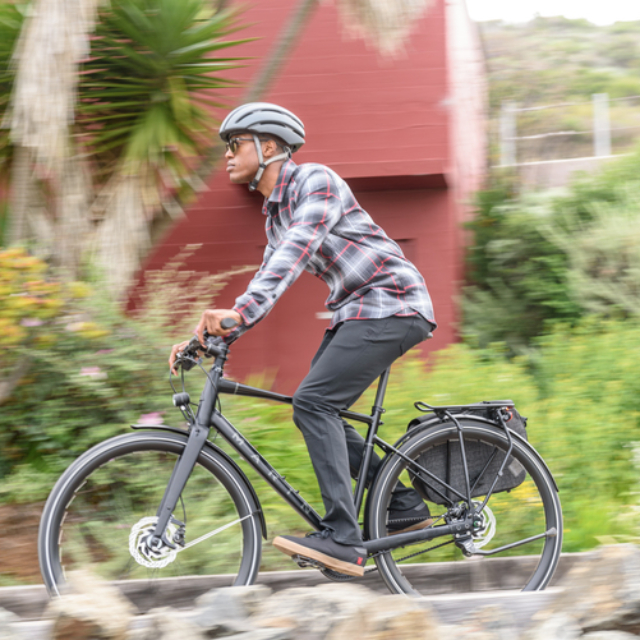
Helmets are one of, if not the, most important pieces of safety equipment you can have as a cyclist. This vital piece of equipment can mean the difference between life and death in many situations. Traditionally, helmets were one-size-fits-all shells with foam that offers some protection to the wearer. Now, with advances in technology such as Multidirectional ImPact System (MIPS) and its innovative ability to add protection against concussions, helmets offer the wearer a larger and improved range of protection.
Laws around helmets vary and can sometimes be confusing to beginner cyclists. Overall, it all varies from state to state and even varies by age. Also, even if a state does not have a particular law in regards to helmets, some localities do. Your best bet is to research specifically your area and find out if any helmet laws apply. This website has some general information in regards to state helmet laws.
Lights
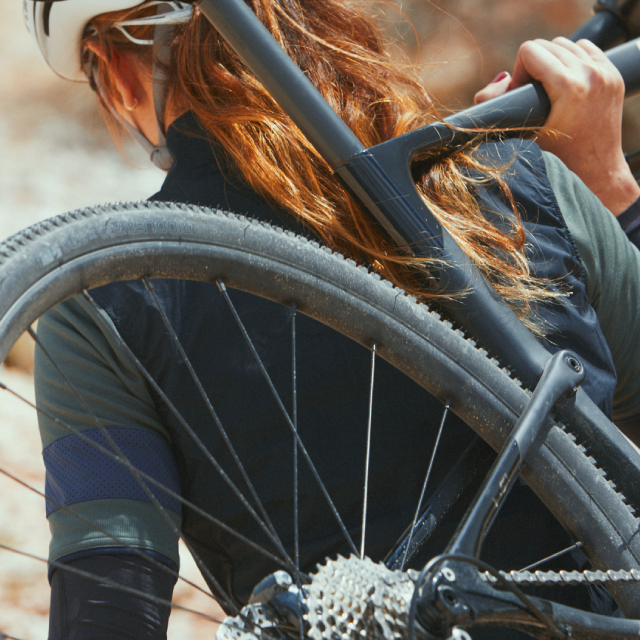
In terms of bike safety, one of the best things you can do is be seen, especially at night. According to Dr. Marc Green, a behavioral psychologist, we constantly switch between active thinking and automated responses based on expectations. Because drivers primarily look for other automated vehicles, they tend to blur bikers out as background noise. Because of this, you need to do everything in your power to direct their attention towards you.
Another important safety feature that significantly increases the visibility of bikers are Daytime Running Lights (DRLs). A 2013 study found that DRLs significantly reduced the amount of accidents for cyclists by 19%. But how much light is enough? 100 lumens is a good starting point, but lumens aren’t everything. Flash patterns have also shown to be helpful in order to draw attention to your presence.
Fluorescent/Hi-Vis Clothing
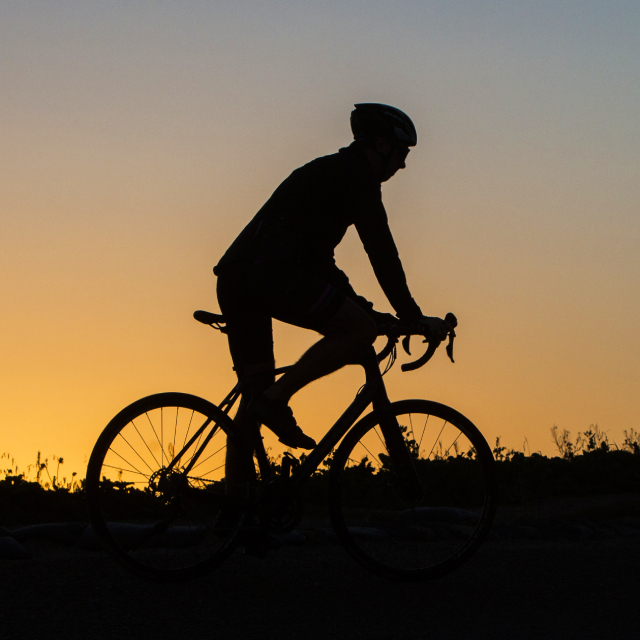
Another safety feature that is gaining popularity, is fluorescent or high-vis clothing. While it might make logical sense to wear clothing that makes you stand out, a study from 2011 found that cars were more likely to notice motorbikes only if the clothes they were wearing had a strong contrast with their surroundings. In addition, a 2012 study found that the efficacy of fluorescent clothing highly depends on high environmental contrasts. These conclusions indicate that riders need to be aware of safety feature limitations in variable environments.
Is a Bicycle a Pedestrian or a Vehicle?
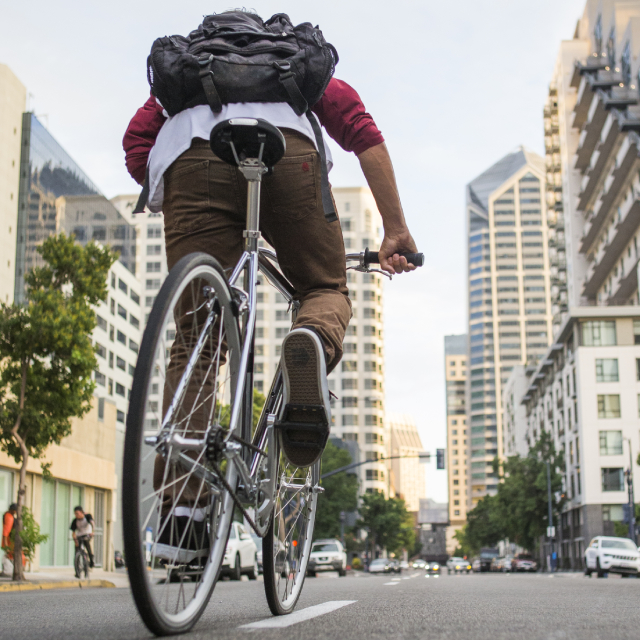
If you’re new to city biking, the laws that dictate whether a bicycle is considered a pedestrian or vehicle can be confusing and vary in every state. Some states categorize bicycles as a road vehicle and thus prohibit operating a bicycle on the sidewalk. Riders go for the sidewalk because it feels safer and less intimidating, but make sure you’re not going to be ticketed for it. So, if biking on the sidewalk is illegal, where do you bike? On the road? In the bike lanes? Here are some reasons why this question is complicated.
Bike Lanes:
Bicycle infrastructure are necessary in order to keep city-riders safe. However, bike lanes are consistently lacking country-wide.
Door Zone Bike Lanes (DZBLs):
While drivers can get frustrated when bikers choose the street when there is also a bike lane provided, many bike lanes are not wide enough to keep bikers a safe distance away from door zones. These are called door zone bike lanes (DZBLs), which can cause bikers to crash into open car door, if they don’t have enough time to react. These accidents, also called “dooring” account for 12-27% of bicycle accidents worldwide.
Intermittent Bike Lanes:
In dense urban cities, it’s not uncommon for bike lanes to be blocked by cars and delivery trucks. Additionally, bike lanes aren’t planned on a city-wide basis. Instead, they are planned by individual neighborhoods, making it impossible for bikers to plan a route using bike lanes exclusively. In general, improvements to safe infrastructure is a mixed bag; some large cities are making small improvements by reducing speed limits, re-designing intersections, elimination right turns on red, and removing some curb-side parking, but these changes don’t come without criticism. Other cities are moving backwards and removing protected bike lanes.
Cars
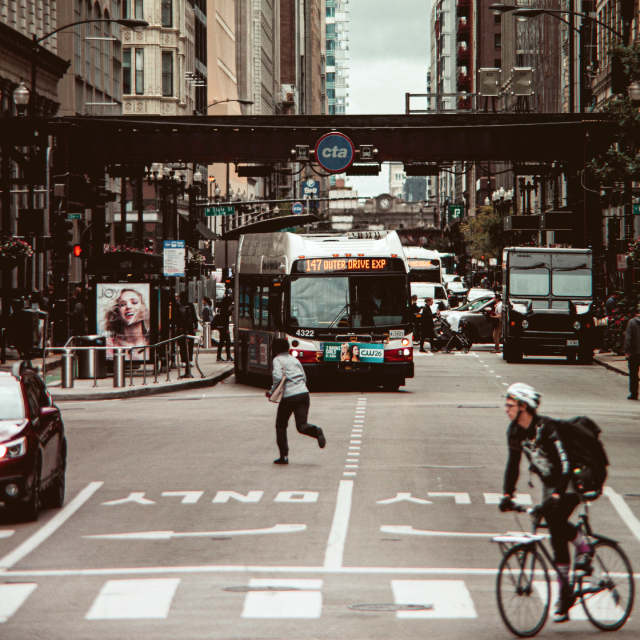
Some drivers can be discourteous towards bikers because they don’t see roads as shared spaces. Some reactions to bikers include excessive honking, tailgate, and ignoring the presence of a biker. In addition to discourteous drivers, distracted drivers also pose a high risk to bikers. A 2013 study found that the rate of bike fatalities per 10 billion vehicle miles traveled increased from 18.7 to 24.6 in five years. A 2016 study found a 130% increase in bicycle injuries from 1998-2013. A 2017 study found that drivers are going too fast to warrant an appropriate response time from pedestrians and bikers. A survey conducted by People for Bikes in 2014 found that half of the participants worry about getting hit by a car and nearly half said they would ride more if there was better infrastructure in place to keep them safe.
Overall, bike safety ultimately falls on the shoulds of the riders. The best advice is to be aware of your surroundings while keeping in line with local and statewide ordinances and laws. But at the same time, all these rules and laws should not deter you from your biking adventures. Get out there and enjoy what cycling can offer! whether you want to feel the wind rush by your face, you need some help burning those calories, a bike is a perfect vehicle to use.
For all of your cycling needs, including bike safety advice, gear, and more, check out your local Sun and Ski Sports. And, if you’re not sure what type of bicycle to get, check out this blog for a quick overview.