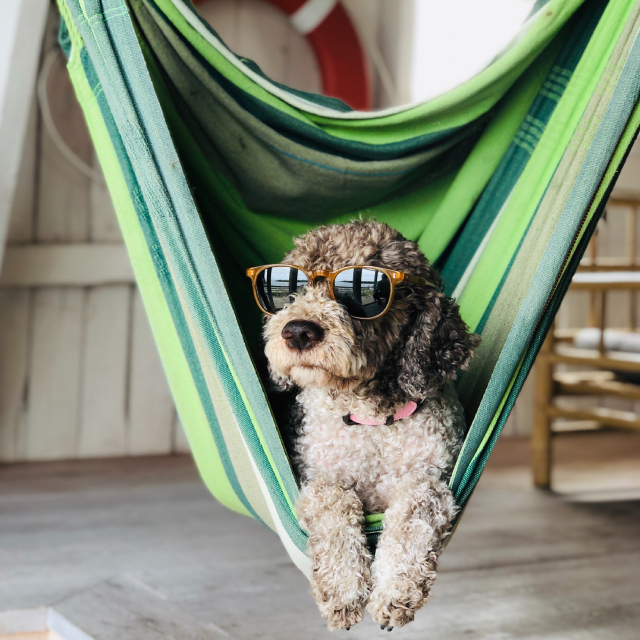
In this guide to hammocking, we’ll go over why you should go hammocking, what it’s all about, and how to improve your hammocking experience.
In the past few years, you might have noticed a new trend in the world of outdoor adventure. On any sunny day, you’re bound to see at least a couple hammocks suspended in a park or on a college campus. The word “hammocking” is a slang term used to describe the simple activity of hanging up a hammock and stretching out in it. From that basic definition, hammocking can take on many different forms. You can start from the basic backyard hangs to sleeping under the stars. If you’ve ever looked at someone hanging in a hammock and wanted to experience it for yourself, then this is the guide for you.
Versatility
In this guide to hammocking, we’ll first ask the question, “why do people like hammocking so much?” Being outdoors and relaxing among the trees in a hammock can be a great way to spice up a study session, catch up with a friend, or take a nice nap. Groups of friends can take their hammocks to the local park to, literally, hang out. While the younger generation has certainly taken to hammocking in recent years, anyone can join in on the fun.
The great thing about hammocks is that they can be used literally anywhere that there are two trees close to each other. It’s even possible to hang a hammock up on one big tree, as long as you use spaced-out branches.
This versatility makes the hammock incredibly useful for all types of outdoor adventures. You could hang a hammock between two palm trees to take a break from surfing or playing in the waves at the beach. After hiking up a mountain trail, you could relax in your hammock to enjoy the mountain breeze. You can suspend a hammock in your backyard, stretch it between the bunk beds at summer camp, or attach hooks to your porch to give it a more permanent place to hang.
Camping
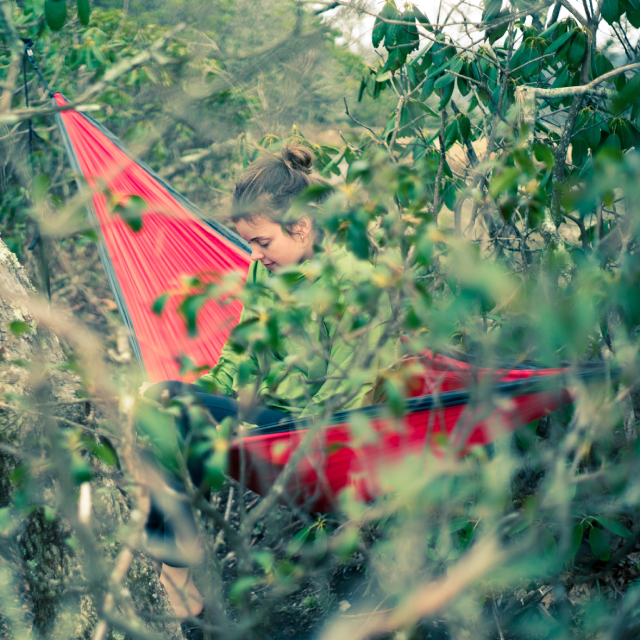
Hammocks are also great to use as an alternative to tent camping. If the weather permits, you can suspend your hammock in the trees and enjoy sleeping off the ground. Rather than lugging around and pitching a full-sized tent, camping with hammocks makes traveling and setting up camp much easier. Most camping hammocks and their accompanying straps fold neatly into little pouches, making storage simple and efficient.
Types of Hammocks
Now that you know what you can use a hammock for, you need to figure out what type of hammock is best for you. Some hammocks on the market aren’t meant for the adventurous, portable type of hammocking that we’re talking about. Some hammocks are meant for stationery use, while others are built to travel and hang anywhere you want to go. Read on to see which types are best for your desired hammock experience.
Spreader Bar Hammocks
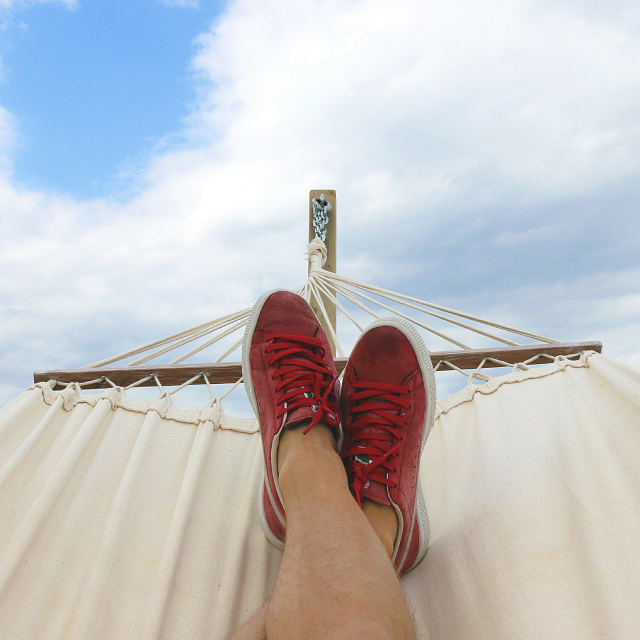
Hammocks with a spreader bar look just how they sound. The spreader bar keeps the fabric stretched out so that the hammocks stays relatively flat. These hammocks usually hang from a stationary stand. They’re great for backyard lounging or sunbathing, but they aren’t necessarily suitable for sleeping because of the taut fabric. Meant for casual use, these hammocks usually have a rope or quilted fabrics. Some camping hammocks are made with spreader bars, but they aren’t as easy to set up or transport.
Hammocks Without Spreader Bars
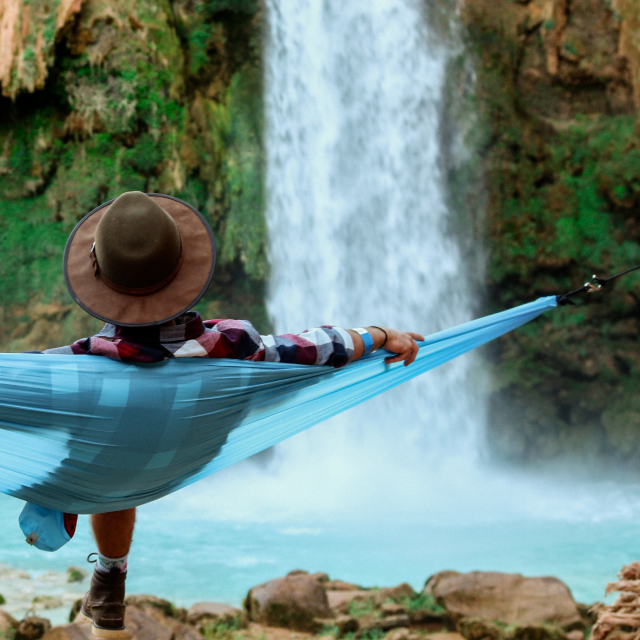
Hammocks that come without a permanent spreader bar are the best for adventure hammocking. These types of hammocks hang loosely, allowing you to fold yourself in like a caterpillar in a cocoon. While these types of hammocks can be made out of a variety of different materials, you’ll want to look for ones made out of nylon if you want an adventure-proof hammock. These hammocks are lightweight, easy to clean, and built to last. Nylon camping hammocks are the most popular choice when it comes to hammocking.
Size
As you look for your camping hammock, you’ll want to consider how big you want it to be. Single nest hammocks are sized for individuals, while double nest hammocks are built to hold more than one person. Even if you plan on going solo, you might still want the extra space offered by a double nest hammock, especially if you plan on sleeping in it. The extra fabric can fold over you to block out rain or spread out to allow space for extra blankets in cold weather.
Price
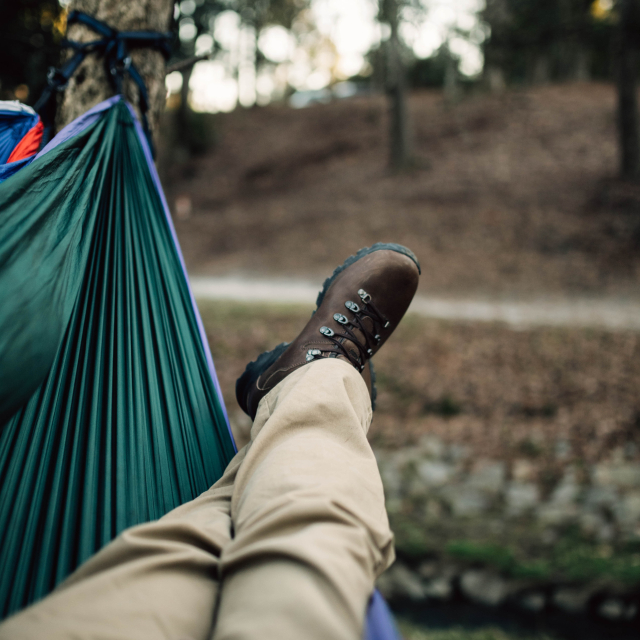
As far as outdoor gear goes, hammocks are relatively inexpensive. Ranging in price from as little as $20 to around $80, you can buy whichever hammock suits your needs best and expect it to last for a long time. The size, durability, and special features of the hammock will determine the price.
Accessories
Once you have your basic hammock, you might want to check out some additional accessories that can make your first hammocking trip even better. Things like rain tarps and bug nets can keep you safe from the elements. You can also buy extra items like gear slings, storage sacks, or trail blankets to maximize your hammock camping experience.
We hope you enjoyed this short guide to hammocking! A trend that here’s to stay, hammocking is equal parts fun and relaxing. Head to your local Sun & Ski Sports shop to pick up your first hammock, and then hang it up in your favorite spot. You’ll soon realize that hammocking is a wonderful, stress-free way to get outside and enjoy being in nature. Happy hanging!
Want more ideas for getting outside this summer? Check out our blog post on 4 Kid-Friendly Outdoor Activities This Summer.