Updated Jan. 22, 2024 – There’s nothing more exciting than feeling the wind rush by you as you’re shredding the slopes. However, there’s always a risk when skiing or snowboarding—and the adrenaline can cloud your judgment. According to the National Ski Areas Association (NSAA), there were 46 catastrophic incidents during the 2022-2023 season across all difficulties of terrain, including freestyle terrain and terrain parks. This is lower than the previous season’s high of 56 catastrophic injuries in the 2021-2022 season. Whether you’re a beginner, intermediate, or expert skier or snowboarder—it’s of the utmost importance to take precautions. Anyone, even a professional, can get injured. Here are the best ways to stay safe and avoid skiing or snowboarding injuries.
Tip #1 – Wear the Proper Equipment: Essential Gear for Safe Skiing and Snowboarding
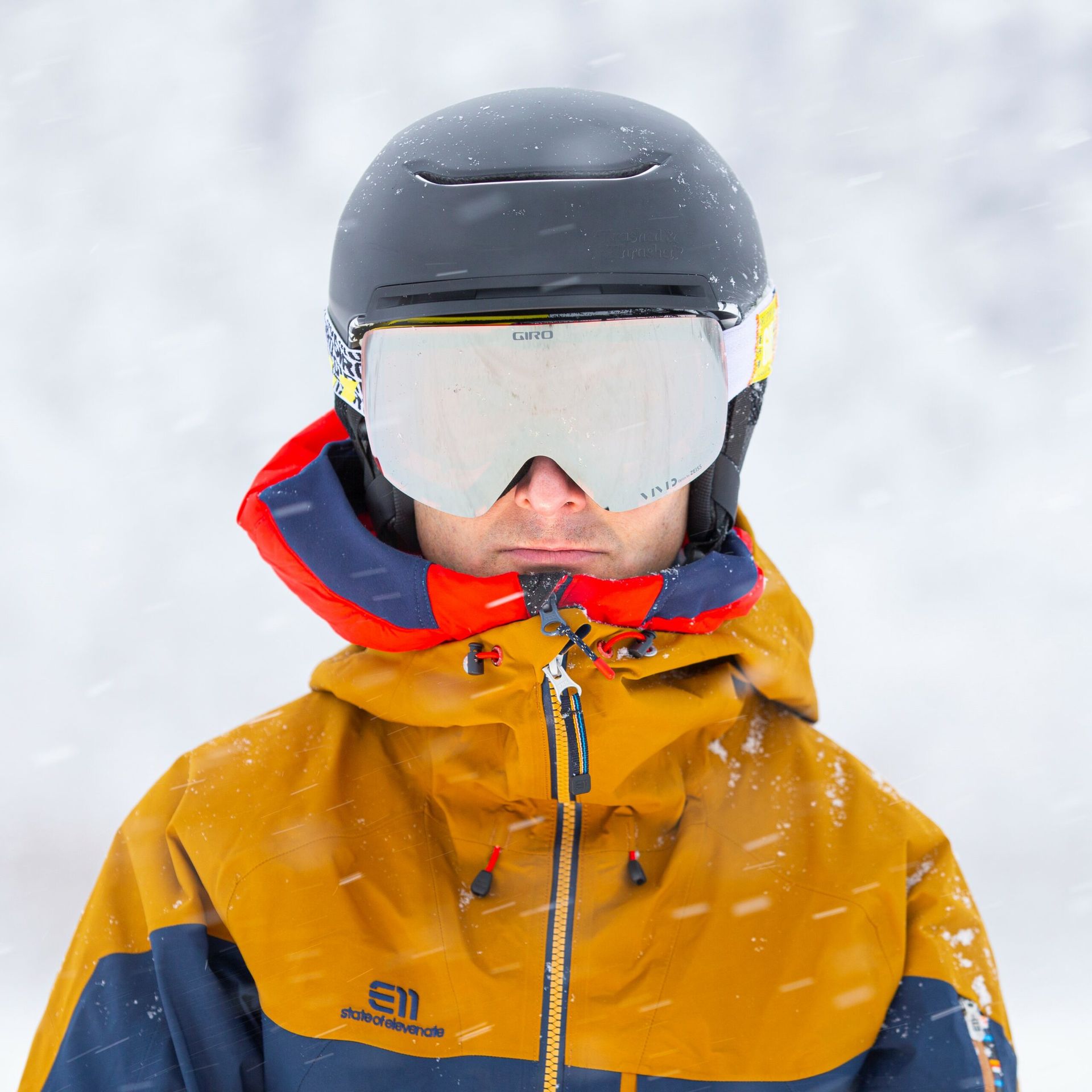
The right equipment is necessary to ensure your safety. Approximately 600,000 ski and snowboarding-related injuries occur annually in North America, and your gear can quite literally save you from further damage in an emergency situation. We recommend always wearing a helmet on the slopes. A study conducted by Johns Hopkins Medicine found that 20% of skiing and snowboarding injuries are head injuries. As the most important piece of protective gear, a helmet protects your head in case of a fall or collision—which can actually prevent brain damage in extreme situations. We recommend a MIPS helmet, as these were designed to spread the force on an impact. Besides a helmet, it’s important to wear high-visibility, goggles or sunglasses with polarizing lenses to protect your eyes from the sun, wind, and snow. We also recommend wearing multiple layers so you can adjust your clothing as needed, and it works as padding in case you fall! These multiple layers include a base-layer, mid-layer, outer-layer, and waterproof and insulated gloves/mittens.
Tip# 2 – Ensure Proper Fit for Ski and Snowboard Gear
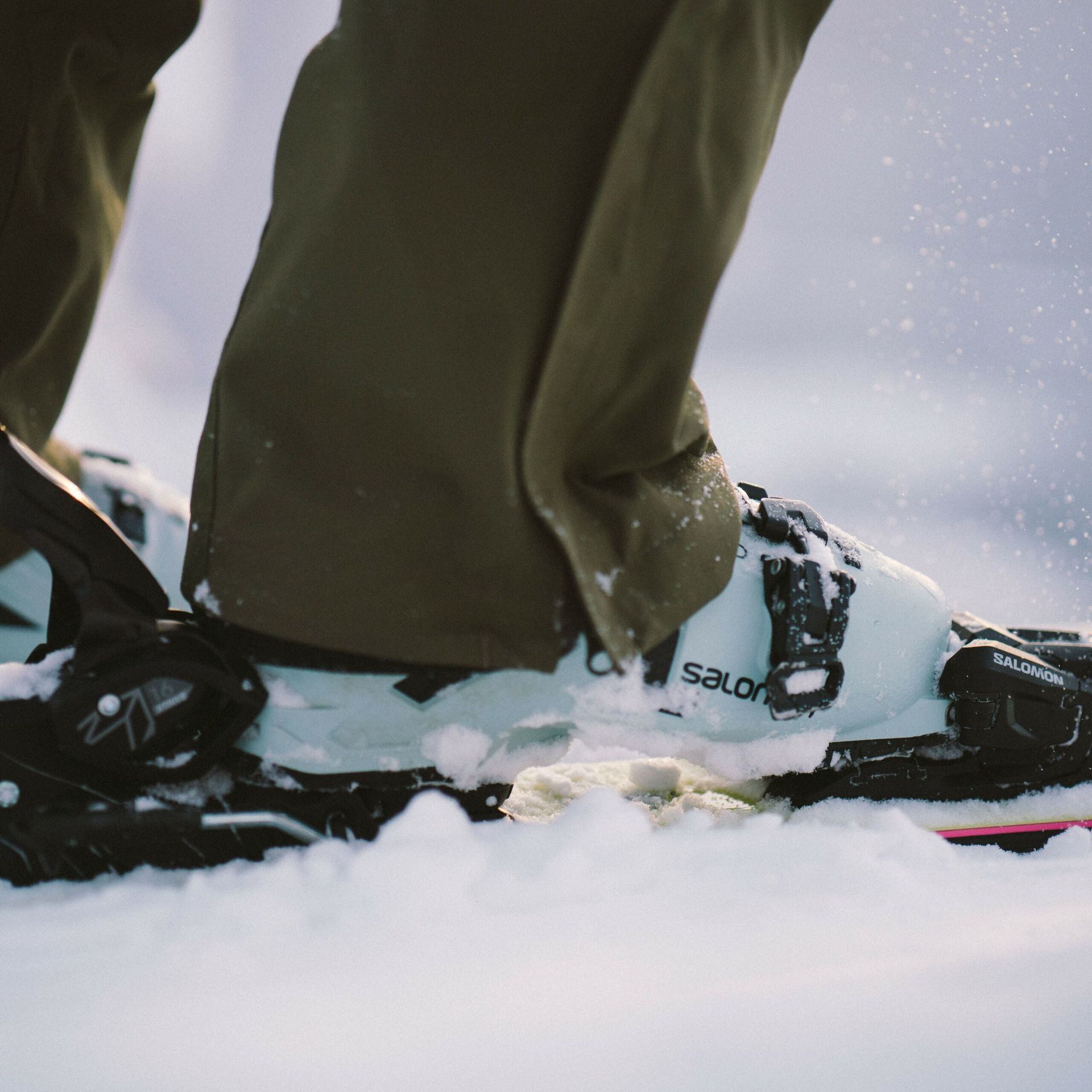
It’s important for your boots to fit properly, so you have the control and support your need when skiing or snowboarding. Plus, anything that’s too loose or too tight will make you feel uncomfortable on the slopes. If you want to get your money’s worth out of that ski pass, take the extra measures to ensure your gear fits exactly as designed! Otherwise, if you’re uncomfortable all day long, you may want to stop skiing or snowboarding sooner than expected.
Tip #3 – Find A Buddy, Safety in Numbers: Why You Shouldn’t Ski or Snowboard Alone
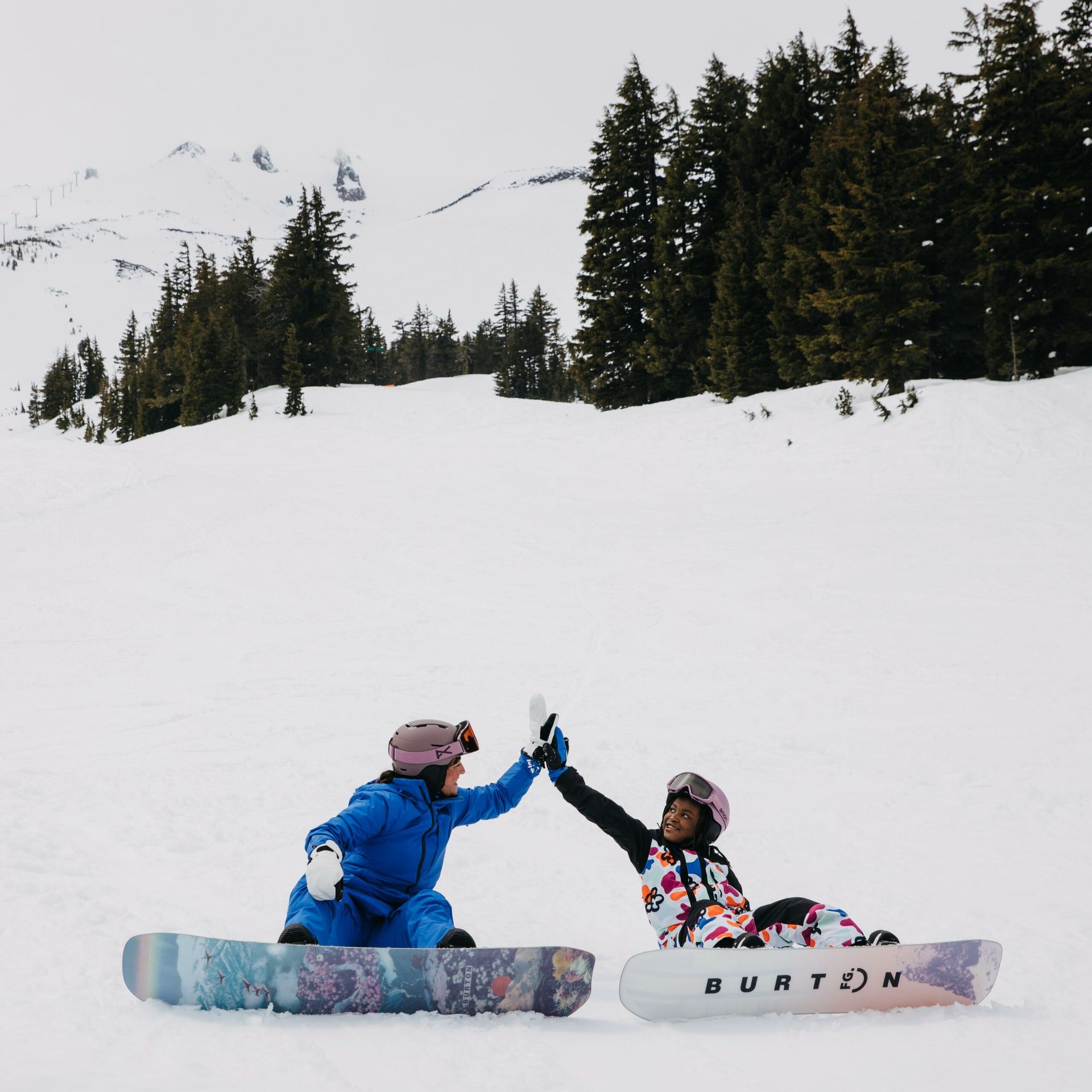
It’s imperative to ski or snowboard with a partner. In case of an emergency, your partner can locate the ski patrol as needed. Sure, it can be frustrating if you want to try a more difficult trail and your partner wants to stay on the easier one. But skiing or snowboarding alone is extremely dangerous. If you suffer an injury, you risk hypothermia or even death if you don’t have anyone to help you. Make sure your partner is always near, and if you lose sight of them, stay calm and think clearly.
Tip #4 – Lost or Separated on the Mountain? Here’s How to Stay Safe and Reunite with Your Group
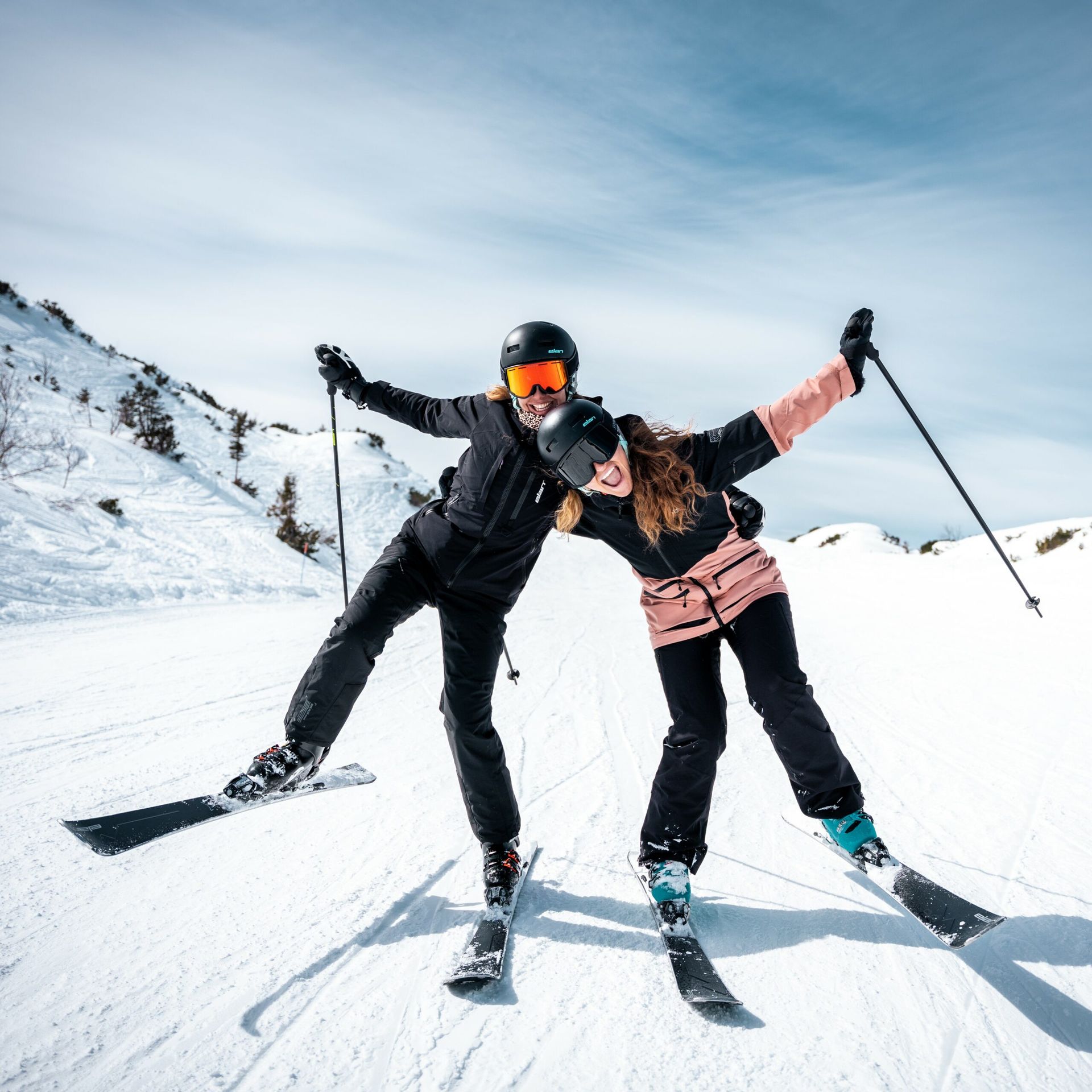
It happens, and it’s okay! Make sure to charge your cell phone the night before skiing or snowboarding and bring it with you on the mountain. In case you lose your group, you can try to call a friend or the ski patrol for help. Take note if you’re located by any sort of nearby landmark. This includes a ski lift, or any distinctive mountain peak that might help you find your way back to the main trail. If you’re in a safe location, make noise by yelling or blowing a whistle to attract the attention of other skiers or snowboarders. Remember, the best way to avoid getting lost or separated from your group is to stay together and communicate regularly. Before hitting the slopes, establish a meeting point and a plan for what to do if someone gets lost or separated.
Tip #5 – Learn from the Pros: Why Taking Ski or Snowboard Lessons is Essential for Staying Safe on the Slopes
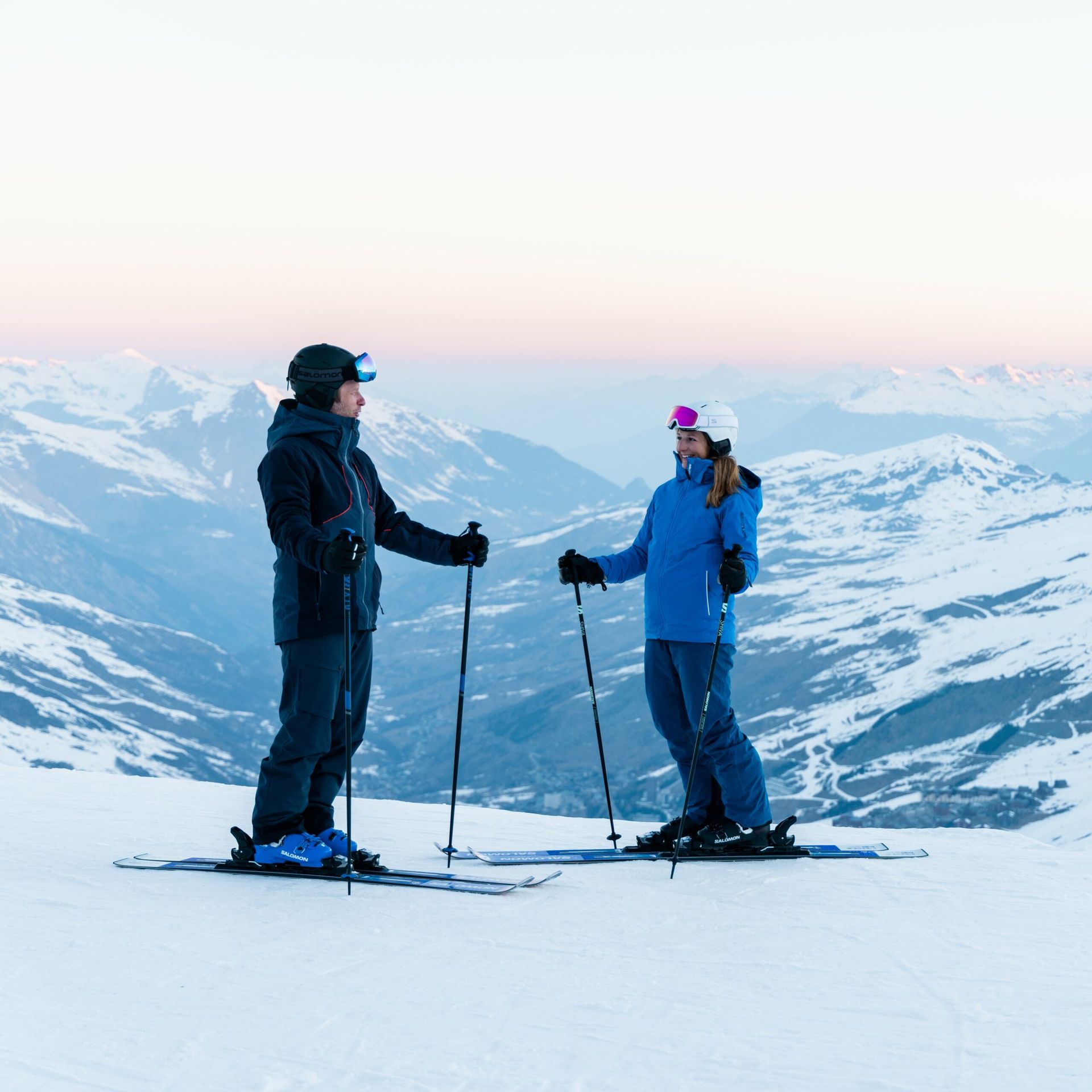
Whether you’re a beginner, intermediate, or expert—a lesson is sure to be helpful. In fact, they can help improve your technique and teach you how to stay safe on the mountain! 80-year-old avid skier Jim Walker always recommends taking a lesson at the start of your trip. When you begin your ski or snowboard vacation with a lesson to refresh your skills, you’ll have all the confidence you need to have the best adventures!
Tip #6 – Safety First: Why Knowing Your Limits is Crucial for Safe Skiing and Snowboarding
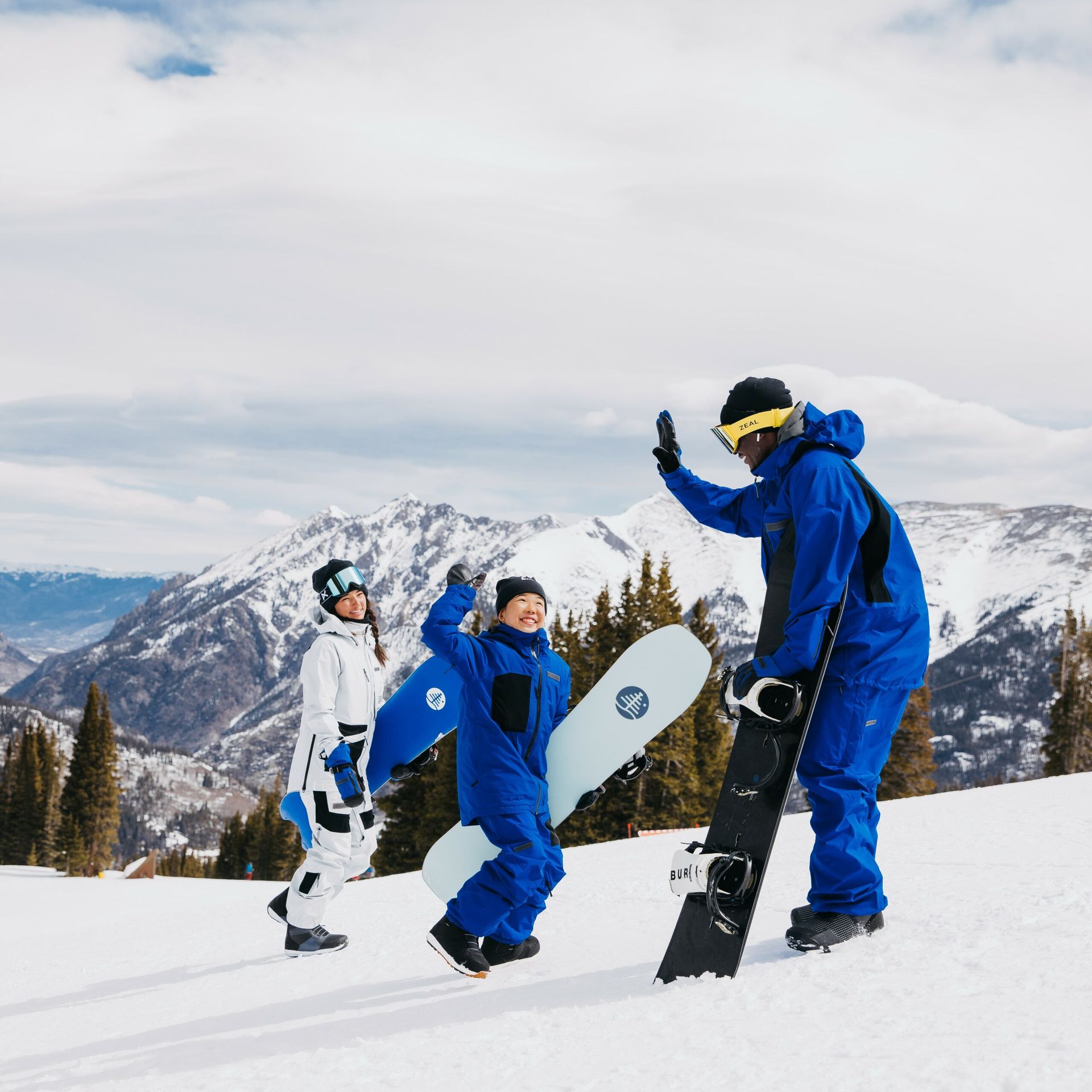
Skiing or snowboarding on a trail that is too advanced for your skill level can be dangerous for not only yourself, but for others. We recommend erring on the side of caution and choosing a trail that matches your ability level. If you can’t decide which path to take, it’s better to start with the easier trail and gradually work your way up to more difficult terrain as you gain experience. Be sure to watch other skiers or snowboarders on the slope to get a sense of the trail’s difficulty level. If you see other people struggling or falling frequently, it’s a sign that the trail may be too difficult for you—and that’s totally okay! It’s better to be safe than sorry. Always be on the lookout for any steep drop-offs, moguls, or other features that may require advanced skills to navigate safely. If you’re not comfortable with these features, it’s best to avoid the trail.
Tip #7 – Safety Alert: How to Stay Safe on the Slopes in Hazardous Weather Conditions
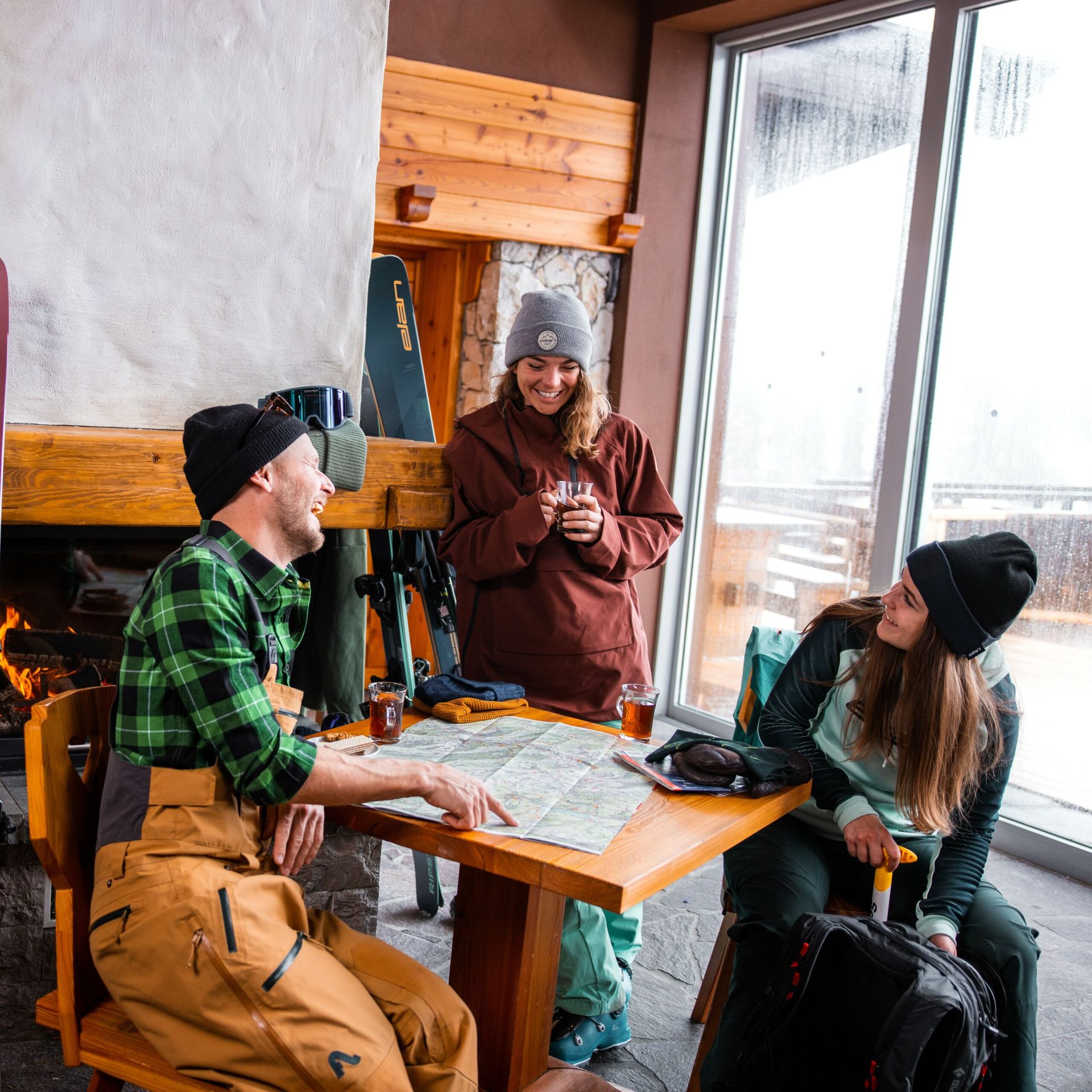
Heavy snowfall or high winds can be a recipe for disaster when skiing or snowboarding. With such extreme conditions, there’s a higher chance you’ll fall and experience a severe injury. If the weather is making you even the slightest bit uncomfortable, we recommend waiting it out in a designated warming hut, ski lodge, or other protected area. If you’re unable to locate shelter, be sure to stay with your group and keep track of each other’s location to ensure that no one is left behind.
Always pay attention to any weather-related announcements or warnings from the resort staff and follow their instructions. If they advise staying off the mountain or closing certain areas, it’s for your safety.
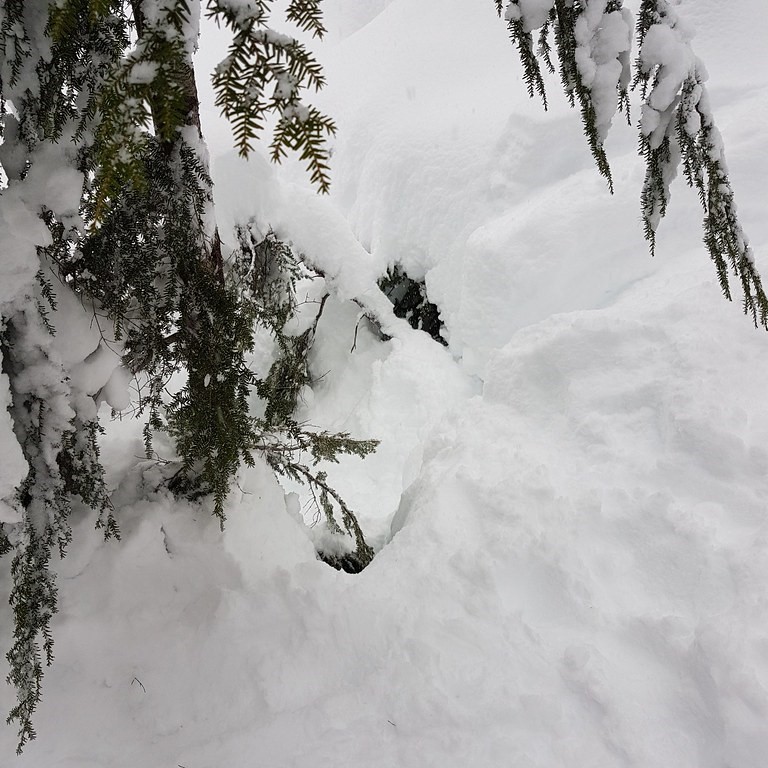
In addition to inclement weather, always be aware of be aware of tree wells. If you are the type of skier or snowboarder who is always on the lookout for fresh snow, you probably often find yourself in the trees. Nothing is better than finding fresh powder no one else has discovered—but it’s important to maintain control to avoid any hard-impact collisions. What is a tree well, you ask? As the snow falls, the snow around evergreen trees becomes soft, which results in it not being packed down. This soft snow is called a tree well, and can be extremely dangerous if you don’t take the necessary precautions. For example, if you’re skiing or snowboarding, and you fall into a tree well, you could get buried due to how soft the snow is. Be sure to lookout for any warning signs, and follow as necessary. Avoid trees with low-hanging branches and patches of evergreen trees. Instead, aim for big open spaces between the trees, and stay mindful of the terrain. Below is a photo example of a tree well.
Tip #8 – Safety First: Always Look Uphill Before You Start Skiing or Snowboarding Downhill
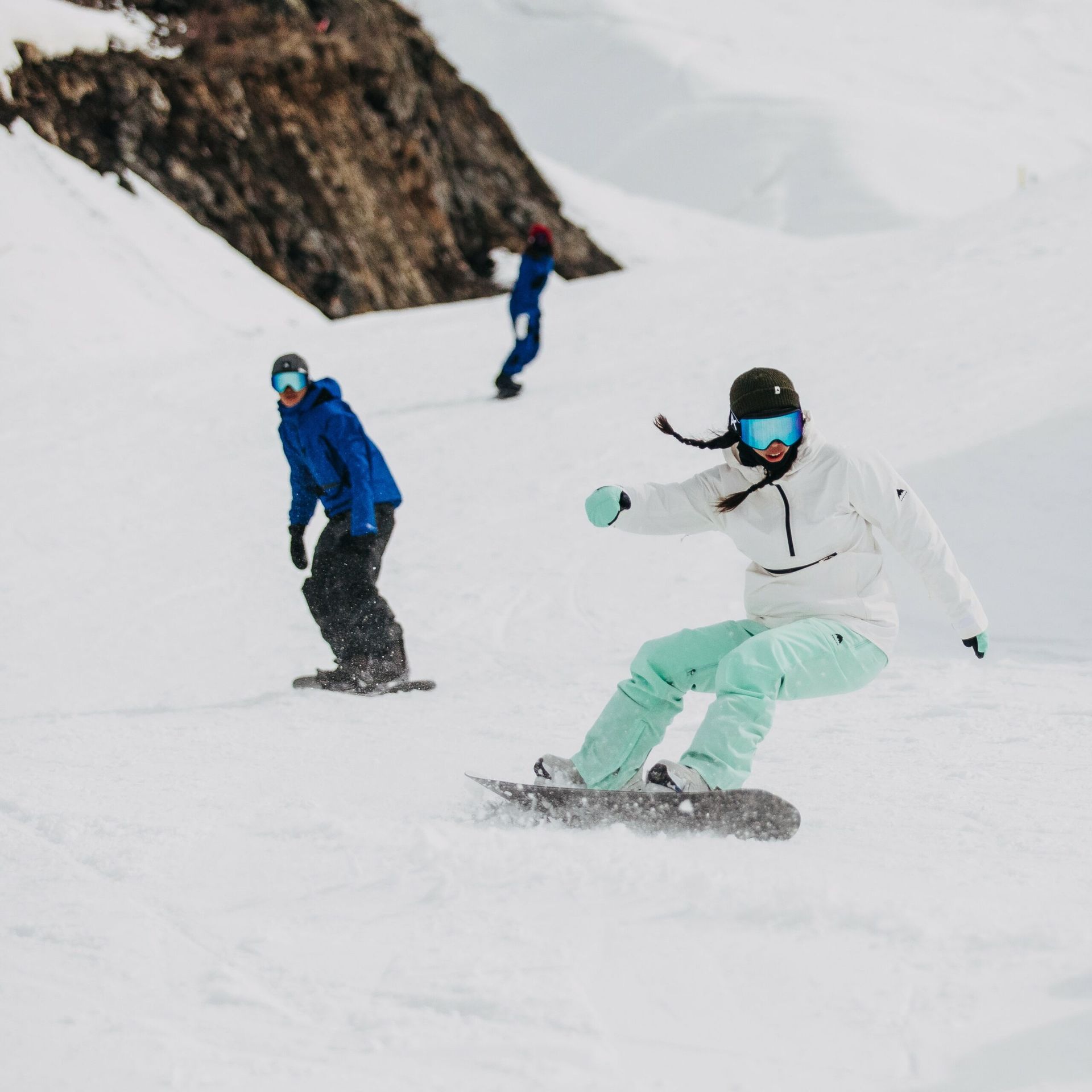
It’s essential to make the effort to check your surroundings. Failure to do so can cause serious collusions with other skiers or snowboarders on the mountain. Always be aware of how crowded a trail is, and periodically check behind you. Be extra cautious when approaching intersections where trails converge, and always be prepared to yield to other skiers or snowboarders.
Tip #9 – Stay Safe and Responsible: Understanding the Skier Responsibility Code
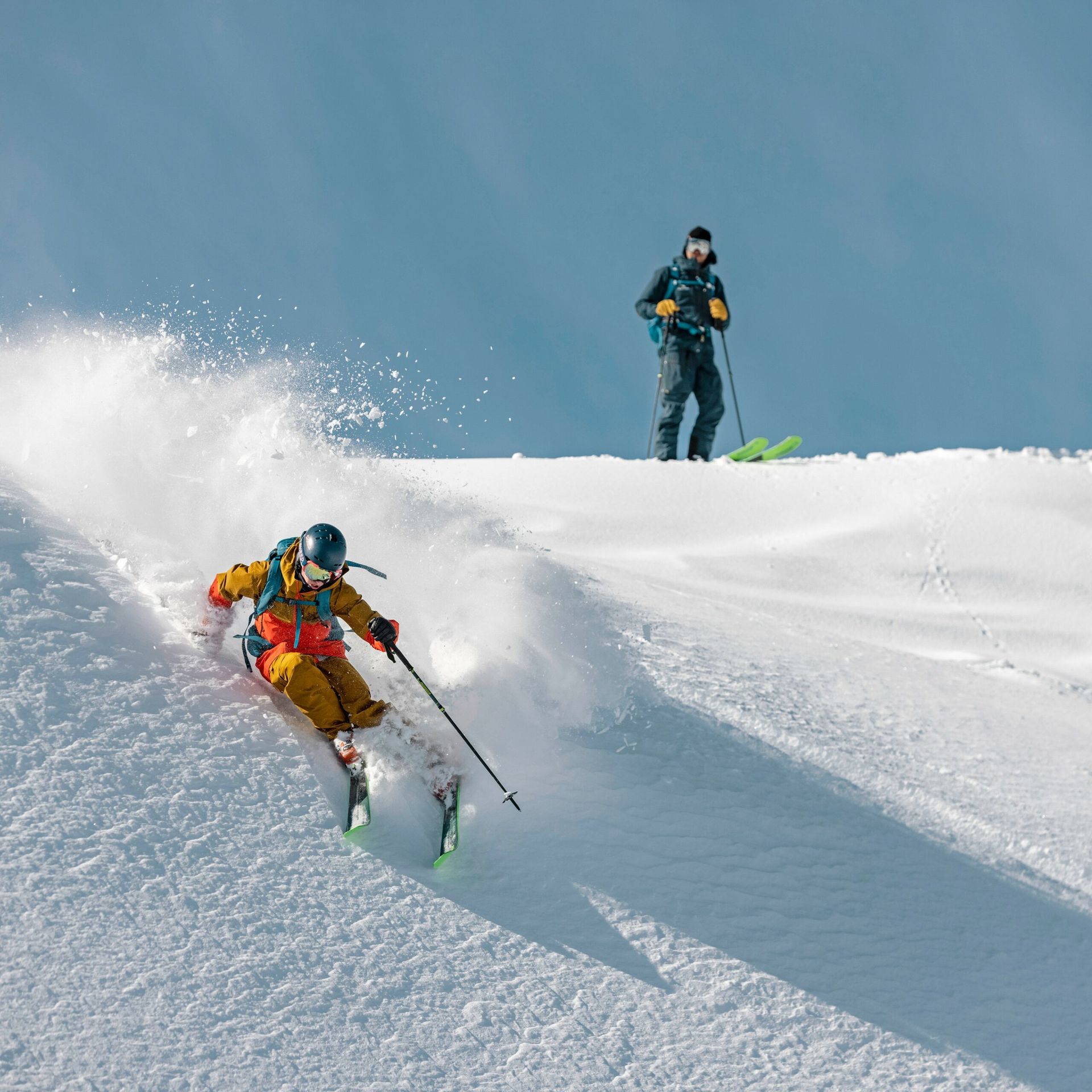
Known for outlining the basic rules for safe skiing and snowboarding, the Skier Responsibility Code promotes safety. By staying in control, being able to stop or avoid other skiers or objects, and yield to other skiers when appropriate—you’ll be able to remain safe throughout the duration of your adventure. Always ski or snowboard at a speed that is appropriate for your ability level and be sure to slow down or stop if you’re having trouble maintaining control.
Tip #10 – Safety Emergency: What to Do if a Member of Your Ski or Snowboard Group Gets Injured
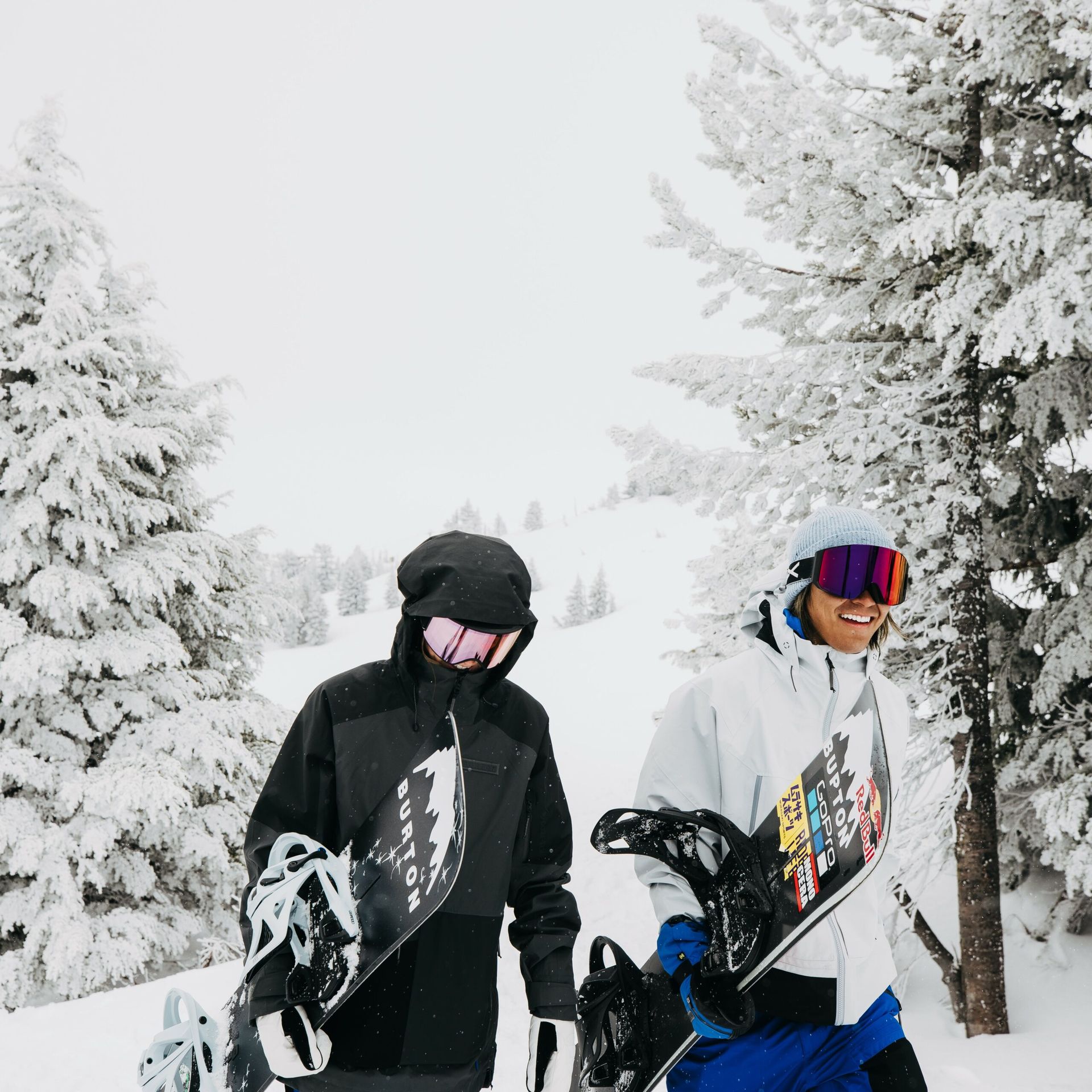
Before you hit the slopes, save the local ski patrol’s phone number in case of an emergency. You can find the number simply by asking resort staff. If you or someone in your group is injured on the mountain while skiing or snowboarding, be sure to assess the severity of the injury, as well as the location of the injured person. If the person is in a dangerous location, such as in the middle of a busy trail, move them to a safer location if possible. Then use your phone to call the ski patrol or ask someone nearby to notify the resort staff. Be prepared to provide your location and a description of the injury. Be sure to stay with the injured person until ski patrol arrives, and provide basic first aid such as applying pressure to a bleeding wound or stabilizing a limb as necessary.
It’s easy to get caught up in the thrill of skiing or snowboarding, but it’s important to remember to remember these tips to help prevent injuries. Now that you know how to take immediate action to ensure the safety and well-being of an injured skier or snowboarder, you can rest assured that you’ll be okay on your next adventure. Before heading out to the slopes, be sure to stop by your local Sun & Ski Sports! Our Outdoor Experts will help you find the best gear for skiing or snowboarding.