
Hiking footwear comes in all shapes and sizes. When you’re trying to decide between trail runners, hiking boots, and even hiking sandals, you might be wondering, “but which one is the best?” Or, “what’s the difference between trail running shoes and hiking boots?” The answer is simple: it depends. In reality, any one of the types of hiking footwear could work just fine. However, the best choice for you depends on where, when, and how you’ll be hiking. The place, the time of year, and your own personal preferences will determine which type of hiking footwear will work best for your needs. Here are some of the pros and cons of trail runners and hiking boots. Use this information so that you can decide which shoe is the right fit for you.
Trail Running Shoes
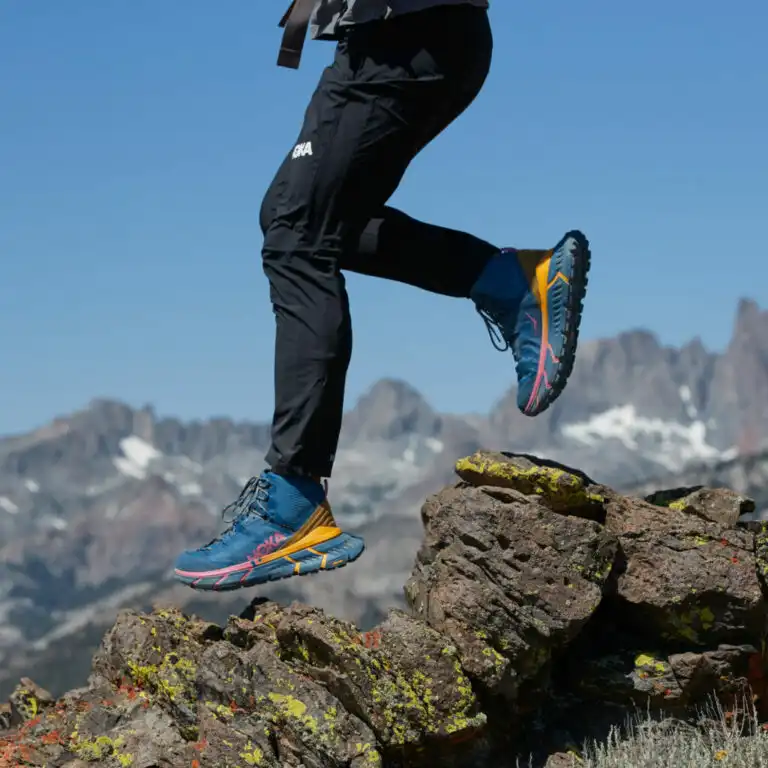
Trail running shoes are traditionally much lighter than hiking boots. That way they don’t slow you down when you’re moving quickly or trekking long miles. For the most part, their lightness comes from a combination of mesh fabric and advanced materials. An added benefit of using a mesh material is that they are breathable which is ideal for hiking in hot weather.
Unlike hiking boots, trail running shoes don’t normally need to be broken in before use. Once purchased, you can pull them on and hit the trail. In addition, trail runners are versatile shoes that can be worn for more than just hiking, and you can choose from different levels of traction when buying them to suit your needs. Some downsides to wearing trail running shoes include less stability and durability. The softer and shorter upper of trail runners won’t provide the same support as a hiking boot. Due to its softer material, you Also, trail running shoes have to be replaced more often than hiking boots.
Hiking Boots
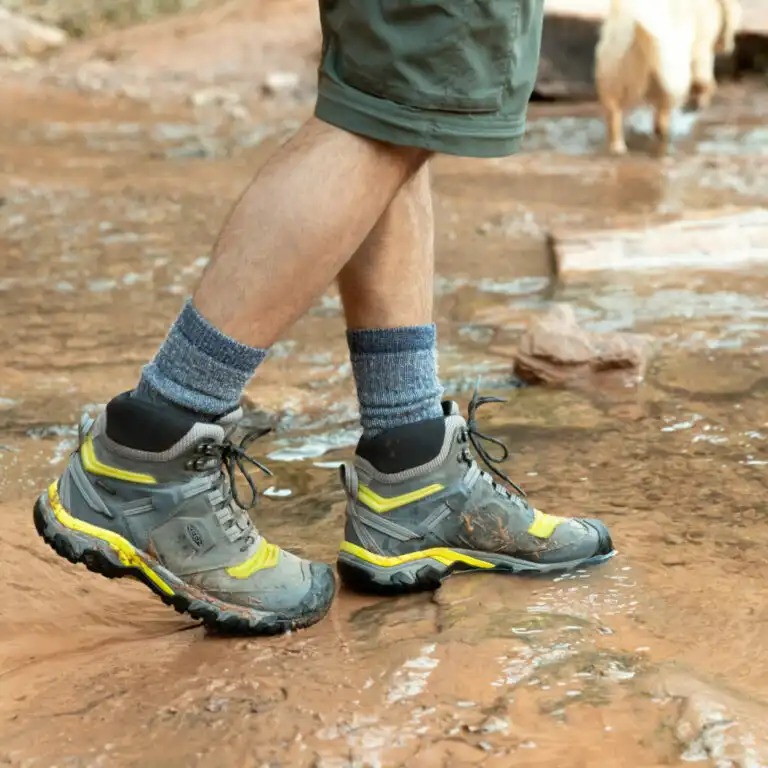
Hiking boots are a sturdy, reliable choice of footwear for hiking. Where trail running shoes are light and breathable, hiking boots are sturdy and durable. They can protect your feet and ankles as you trek across even the roughest of terrains, all while providing excellent traction and support. Hiking boots can also handle trudging through water, snow, or mud while still keeping your toes nice and warm. However, hiking boots aren’t always the best choice. They can feel heavy after hiking for long distances, and they might cause blisters or discomfort as you break them in.
Now that you have an understanding of the difference between trail running shoes and hiking boots, you can use this information to make the best decision for you. If you need more help in deciding between trail runners or hiking boots, visit your local Sun & Ski Sports for guidance and advice from the experts. Or, check out our Adventures Resource Guide. There you can find helpful articles on your favorite adventures, including how to choose the right trail.