
Introduction:
It’s time to spring into new adventures with Sun & Ski Sports! With the weather heating up outside, now’s the perfect time to explore the outdoors. Being in nature has been shown to positively impact your mental health by promoting feelings of relaxation and calmness. In fact, being outdoors can-do wonders for your well-being as exposure to sunlight can also boost vitamin D levels, which is important for overall health! Whether you’re heading out to the beach, hiking up a mountain, or biking through the park, we’re here to help you prepare for your warm weather adventure. Here’s what you need to know before embarking on your journey, and here is all the best gear you need to wear or bring.
Accessories
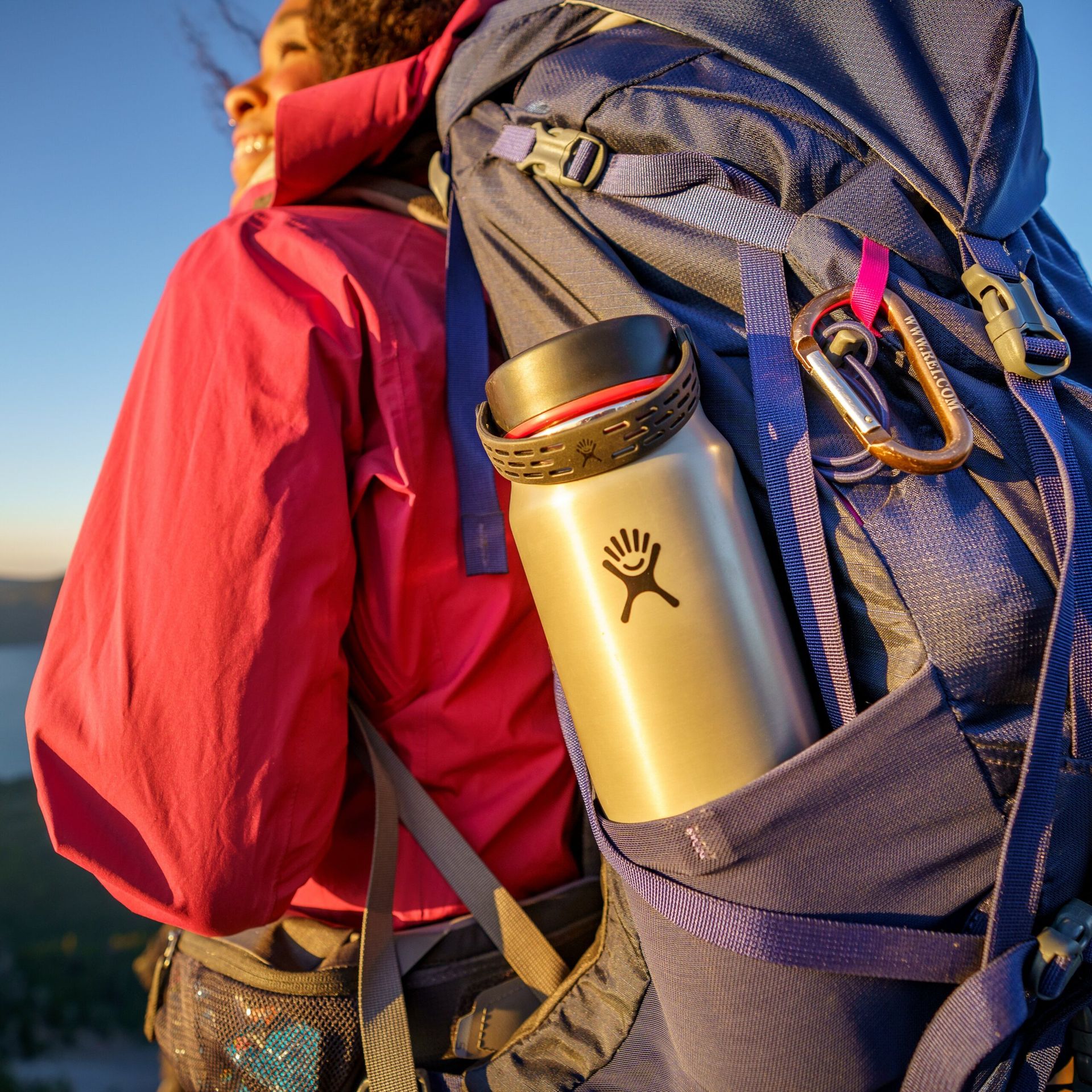
Stay Protected from the Sun: Bring Sunscreen
With the weather heating up, it’s essential to bring sunscreen for your adventure. No matter what activity you’re participating in, you must stay safe from the direct exposure to daylight. Doing so drastically reduces the risk of skin cancer. The American Academy of Dermatology Association recommends using SPF 30 and higher and reapplying at least once every two hours to stay protected from the sun and to prevent from getting a gnarly sunburn. Keep in mind that while some sunscreens are water resistant, no sunscreen is waterproof or sweatproof. Always reapply your sunscreen after swimming or sweating.
Hydration is Essential to Maintain Your Energy Level
Water Bottle or Hydration Pack
On a hot day, there’s nothing more refreshing than a cool sip of water. Whether you’re relaxing by the pool, slashing the wake, hiking the mountain, or biking the trails—a water bottle or hydration pack is a necessity to prevent heat exhaustion and remain energized throughout the day. You can lose up to a liter of water every few miles when hiking. So, be sure to drink water consistently—even if you don’t feel thirsty. Another great option for staying hydrated is finding a beverage that contains electrolytes, as electrolytes are a critical mineral that helps balance our body’s water level and pH levels! Avoid sugary and caffeinated drinks as they can block your body from absorbing water, and thus speed up the process of dehydration.
Stay Aware of Heat Exhaustion: Symptoms to Look Out For
With warmer weather comes the possibility of heat exhaustion. Since it can happen quickly or gradually over time, it’s important to be aware of the signs and symptoms. Failure to do so can result in a heat stroke—a deadly result of your body overheating. While heat exhaustion is dangerous, luckily it can be prevented. The CDC recognizes these as symptoms for heat exhaustion:
- Excessive sweating
- Elevated body temperature
- Extreme thirst
- Fatigue
- Dizziness
- Nausea
- Headaches
If you or someone you’re with experience heat exhaustion, stop what you are doing and take immediate action. Remove any unnecessary clothing (including shoes and socks), encourage frequent sips of cool water, and cool down with either cold compresses or by washing your head, face, and neck with cold water.
Block Out the Sun’s Hot Rays with a Pair of Shades or a Lightweight Hat
Not only will you look cool, but you’ll feel cool! Since direct exposure to sunlight can be damaging to your eyes, the National Eye Institute recommends wearing sunglasses with high UV protection. In fact, a pair of sunglasses that block 99% or 100% of both UVA and UVB radiation is ideal. Luckily, at Sun & Ski Sports, we offer a variety of sunglasses to meet your needs! From lifestyle sunglasses and sport sunglasses, to caps and sun hats, we have everything for your next adventure.
II. Clothing
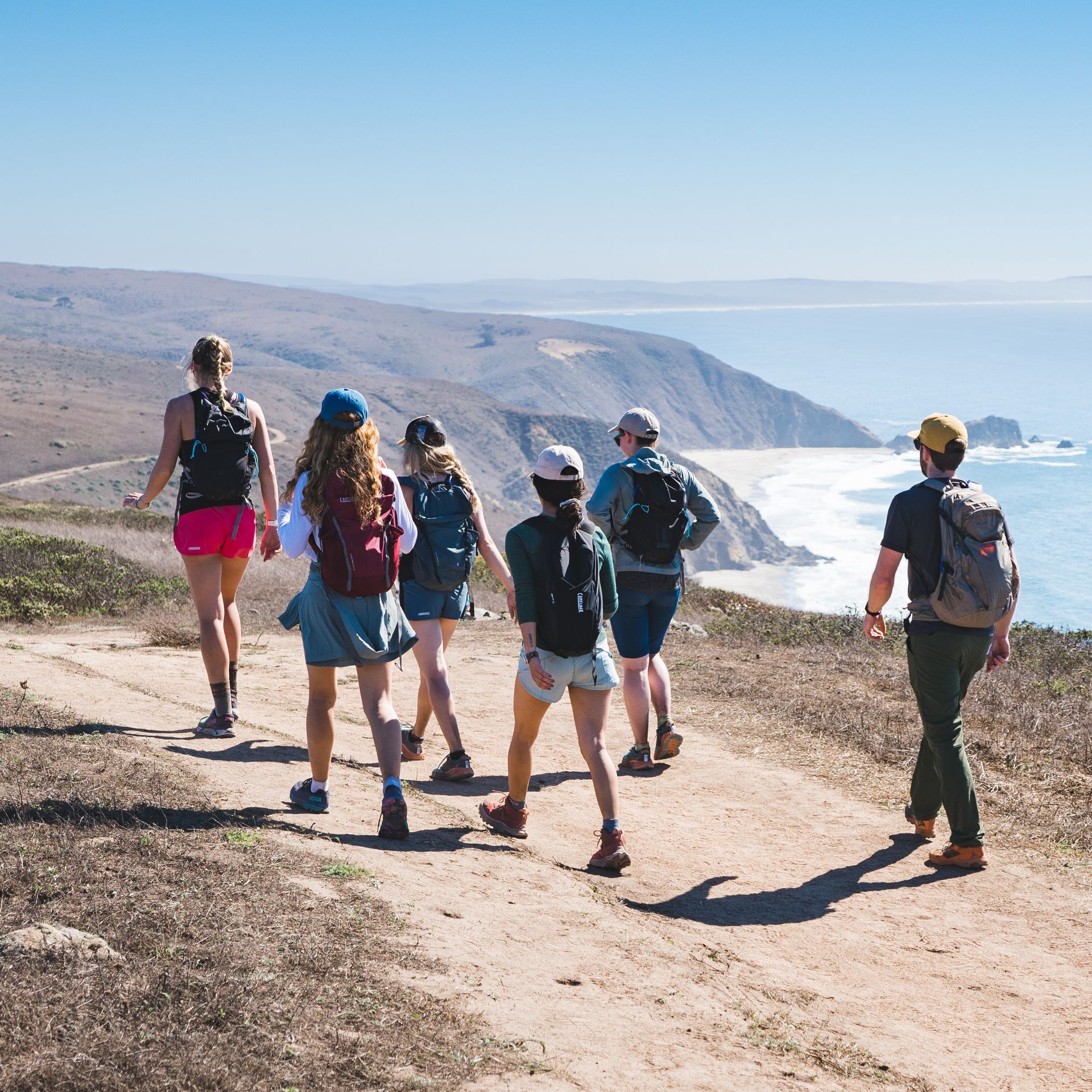
Dressing for the Warm Temperature: What to Wear
Wearing the right clothing is key to keeping cool in warmer weather or keeping warm when the sun sets in the spring evenings. Avoid heavy fabrics such as denim, wool, corduroy, and leather. Instead, opt for lightweight, moisture wicking materials like polyester, nylon or spandex. In addition to choosing a fabric that feels lightweight and comfortable, pay attention to the color of the clothes you choose to wear. While it may seem like wearing white or pastel colors is the best option, white can reflect sunlight and reflect your own body heat onto you! The Skin Cancer Foundation recommends wearing darker colors, like red, navy, and black—as these colors absorb heat from the sun and your body.
Choose styles that are comfortable and practical for your activity. For hiking or running, opt for pants or shorts with plenty of pockets and a comfortable fit. For outdoor sports, choose clothing that is stretchy and allows for a full range of motion. For skating or longboarding, choose clothes that are durable enough to withstand falls and scrapes and easy to move in, such as comfortable shorts or cargo pants.
The best clothing for hiking is comfortable, breathable, and weather-appropriate. Here are some recommendations for clothing to wear while hiking:
• Base Layers: Start with a moisture-wicking base layer made of synthetic material that will keep you dry and regulate your body temperature.
• Pants/Shorts: Wear comfortable, lightweight, and quick-drying pants or shorts made of breathable fabric that allow for ease of movement. Look for pants or shorts with zip-off legs that can convert to shorts or pants depending on the weather.
• Shirts: Wear a moisture-wicking shirt made of breathable fabric that will keep you cool and dry. Avoid cotton shirts as they retain moisture and can cause chafing.
• Mid Layers: Wear a lightweight fleece or jacket for added warmth and insulation in cooler weather or higher elevations. Choose a layer that can easily be removed or added depending on the temperature.
• Outer Layers: Wear a waterproof or windproof jacket to protect you from the elements such as rain or wind.
• Socks: Wear breathable socks made of wool or synthetic material to wick away moisture and prevent blisters. Avoid cotton socks, as they can cause chafing and blisters.
Dressing for the Rain or Wind: What to Wear
April Showers bring May flowers. Let’s face it—springtime weather is unpredictable! When dealing with that unpredictable rainy and windy spring weather, it’s important to have outerwear that protects you from the elements while still being comfortable and breathable.
• Rain Jacket: Choose a waterproof rain jacket made of breathable material such as Gore-Tex or a similar technology.
• Windbreaker: Wear a windbreaker made of lightweight and breathable material to protect you from the wind. Look for a jacket with a hood and adjustable cuffs to prevent wind from entering.
• Insulated Jacket: Wear an insulated jacket to provide warmth on chilly and damp days. Look for a jacket with synthetic insulation, which is lightweight, warm, and water-resistant.
• Poncho: A poncho can be an easy and lightweight option for staying dry during sudden rain showers.
• Umbrella: Consider bringing a compact, lightweight umbrella that can be easily carried in case of unexpected rain.
It’s important to layer your clothing underneath your outerwear, so you can adjust your clothing to changing weather conditions. Choose clothing made of quick-drying, moisture-wicking material to keep you dry and comfortable all day long.
III. Footwear
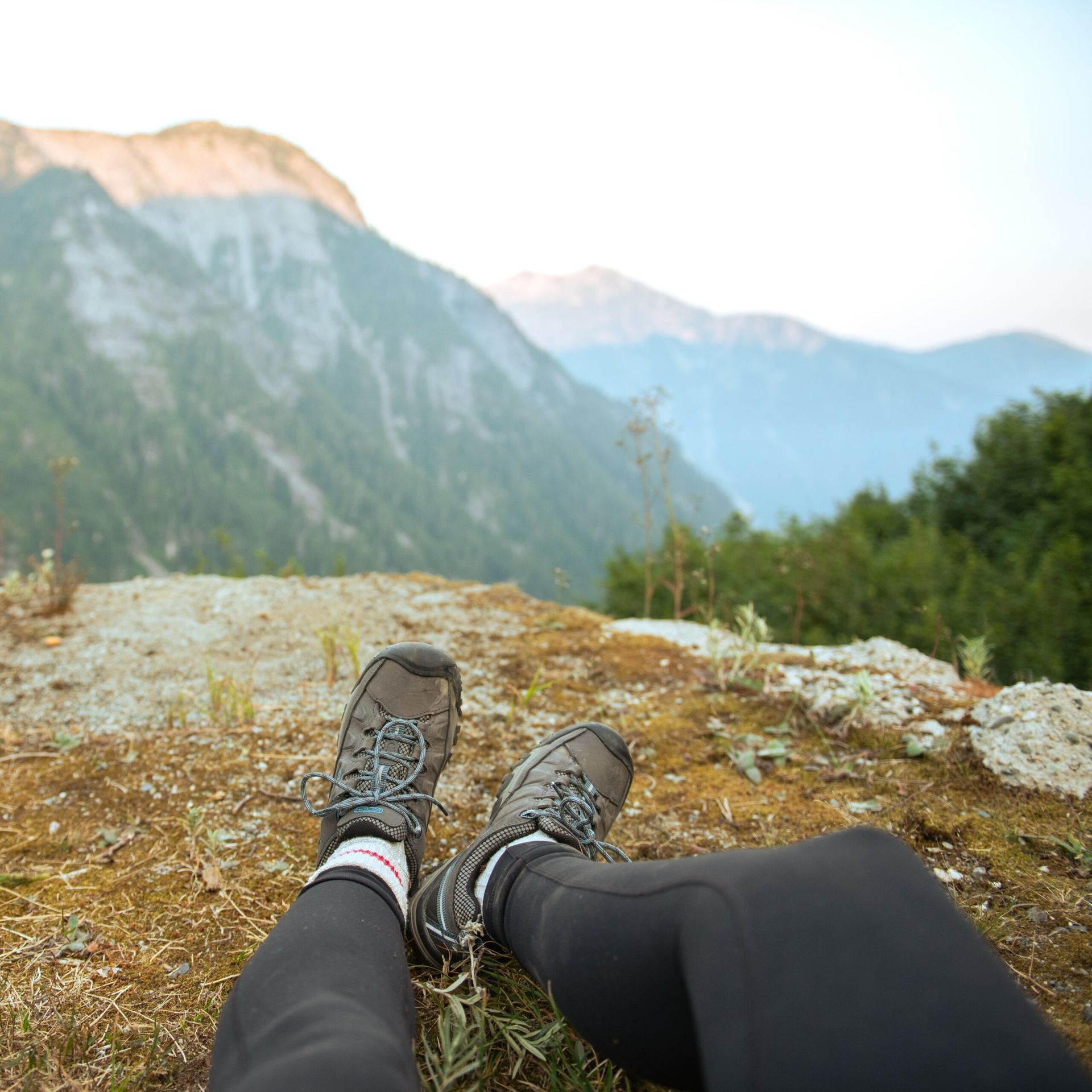
Comfortable Shoes are a Necessity in the Spring
Whether you’re going on a walking tour, biking on the beach, or hiking some trails—a comfortable pair of shoes is essential to enjoy your adventure to the fullest. Not only do shoes protect your feet from uneven terrain, rocks, and brush, but they can also make or break your adventure! When you’re on an exciting journey, a pair of comfortable shoes can make you want to enjoy your adventure for longer. On the other hand, an uncomfortable pair of shoes can ruin your mood, as your aching feet will be the only thing you focus on throughout the duration of your activity. It’s better to be safe than sorry—always wear the shoes that make you feel best. Today, you’re in luck, because Sun & Sports offers a wide variety of shoes for all your warm-weather activities!
Conclusion
Overall, wear items that are versatile and can be layered as needed, so that you can stay comfortable and prepared for any weather conditions during your spring outdoor activities. Now that you know what to bring and how to prepare for all your warm weather activities, it’s time to start planning your spring and summer adventures! Before you embark on your journey, stop by your local Sun & Ski Sports. There, our in-store experts will help you find the apparel, gear, and footwear you need to have the best adventures.
Shop All Essentials
About the Author, Allie Cheney
What’s up?! I’m Allie, a Texan turned mountain enthusiast. After a year of croissants and conjugations in France, where I completed an MBA, I traded baguettes for mountain air and moved to Colorado. As a Copywriter and Content Creator for Sun & Ski Sports, I’m thrilled to share my 6 years of outdoor industry knowledge with you! Living in a converted van, I spend most of my time in the Rocky Mountains and West Coast. I aim to deliver content that is not only accurate and genuine, but also offers valuable insight into your favorite hobbies, the latest trending styles, and cutting-edge products.
Let’s explore together! For questions feel free to email me at ACheney@sunandski.com or contact an Outdoor Expert at any Sun & Ski Sports store location near you!