
You may think exercising and training hard are the key components of hitting your fitness goals, but don’t forget that recovery is just as important. Of course, in order to improve your skills, build muscle, and increase endurance, you need to get out there and actually do the activity; however, what you do on your non-training days also helps you achieve those goals. It’s called recovery, and it comes in many different forms, all just as important as the next. Active recovery in particular can help you stay consistent while still giving your body time to recharge.
As someone who works out often and also dances, I’ve learned firsthand just how essential recovery is. Not only does it prevent injury, but it actually allows my body to repair and replenish, so that I’m even more prepared to hit the gym or studio for my next training session. In fact, I’ve learned the hard way that more is not always more, so take it from me that recovery should not be overlooked. Incorporating active recovery exercises into my weekly routine has made a huge difference in how my body feels between workouts.
There are two main categories of recovery activity: active recovery and passive recovery. Active recovery, as the name implies, involves low-intensity movement, while passive recovery is even more slowed down and, well, passive. Breathwork is also a great tool that I personally use as a supplementary recovery method, both immediately after exercise and on rest days. Understanding active or passive recovery and when to use each can help support your long-term fitness goals. Let’s dive into all things recovery and how you can use it to improve your fitness.
Table of Contents
- Importance of Recovery
- Active Recovery
- Passive Recovery
- Breathwork
Importance of Recovery
Recovery after a hard workout or training session is about more than just resting your body (though that’s an incredibly important part of it too), but rather it allows for actual internal processes, such as repairing muscle tissue and nervous system recalibration. As I previously mentioned, it’s easy to think that continuously pushing your body, whether through lifting more weight or riding more miles, is the only way to see progress, but that’s simply not true. Active recovery and proper rest both play an important role in keeping your body functioning at its best. Here’s some of what happens during recovery:
- Reduced inflammation: Strenuous exercise causes some inflammation in the body. In small doses, this is okay, but chronic inflammation is what you want to avoid. Recovery days allow time for inflammation to decrease, which also supports your overall immune system and your body’s ability to repair and recover. Active recovery exercises can also support healthy blood flow, which may help your body feel less stiff after intense workouts.
- Muscle, tendon, and ligament repair: During hard workouts, your muscles undergo microscopic damage, and there’s a lot of stress on tendons, ligaments, and more. During recovery, these areas have a chance to recover and repair, making you stronger and more resilient in the long run. Active recovery can help reduce muscle soreness while still allowing your body to heal.
- Nervous system recalibration: Intense exercise puts your nervous system into a heightened state. This sympathetic state is essential for survival (and for getting through those hard workouts), but it’s not where you should always reside. Get your nervous system back into a balanced place through recovery. Plus, it’s in that parasympathetic state (known as “rest and digest”) that your body can truly recover. Active recovery days can help your body transition more smoothly between intense training sessions.
- Energy replenishment: Workouts use a lot of energy, aka glycogen, which is stored glucose. Your body needs time to replenish its glycogen supply; otherwise, you’ll be left feeling depleted and weak, which only puts you more at risk for injury. A balance of active recovery and complete rest can help support this process.
Types of Recovery
As previously mentioned, the two main types of recovery are active recovery and passive recovery, both of which help your body recover through different methods. Here’s a brief breakdown before we further dive into each category:
- Active recovery: This type of recovery involves low-intensity movement that does everything from reducing stiffness to keeping joints mobile. Many active recovery exercises also encourage healthy circulation and gentle movement without overloading the body.
- Passive recovery: Essentially, rest. Passive recovery reduces fatigue and gives your body the full opportunity to repair.
Active Recovery
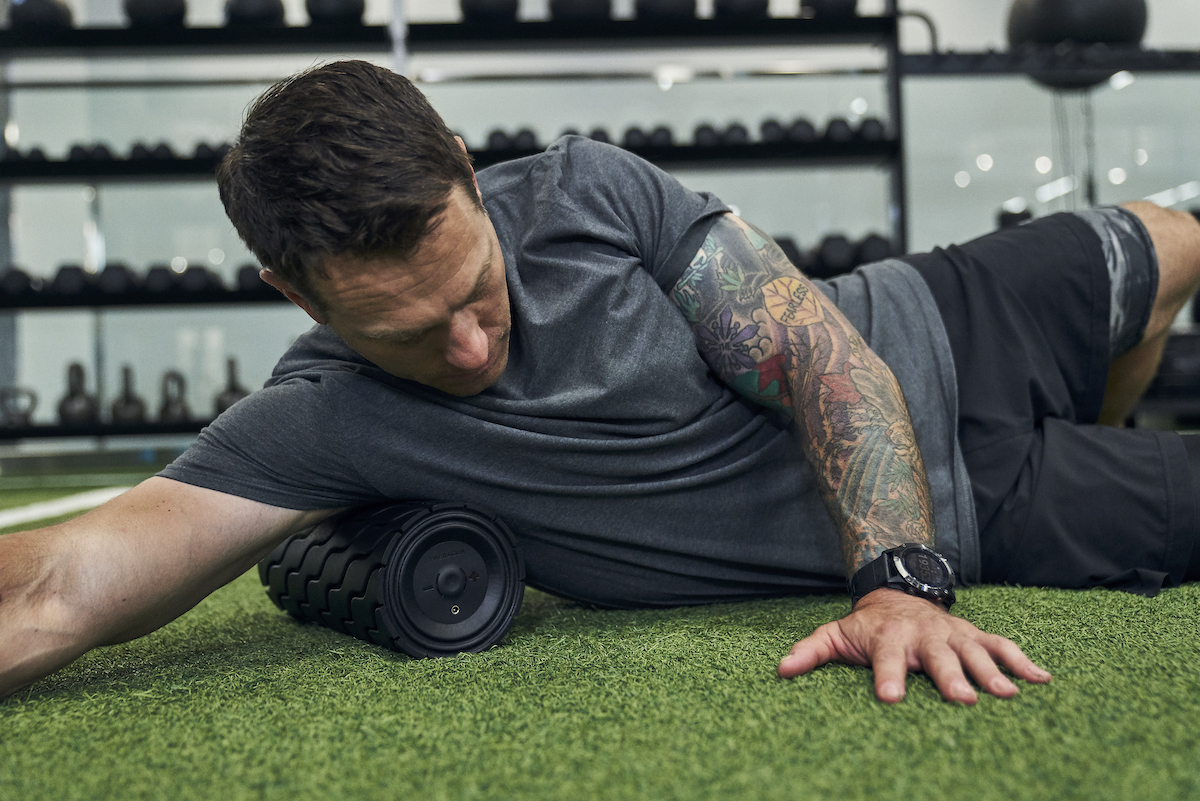
Active recovery involves movement that’s way less intense than your original workout. It keeps your body moving in a way that supports the recovery process. It should be done when you’re feeling just a little stiff or sore after your workout, rather than overly exhausted or injured. In most cases, active recovery consists of low-intensity exercise that supports healing without creating additional stress on the body.
Benefits of Active Recovery
- Improved circulation and lymphatic flow: This helps clear out lactic acid build-up from muscles and supports healthy blood flow throughout the body.
- Reduced stiffness: Whether in your joints or muscles, active recovery keeps things moving and “lubricated.” It counteracts that feeling when you stand up after sitting for a long time and feel super stiff, which is what can occur after a big training session. It also helps with mobility. Active recovery exercises like stretching or yoga can be especially helpful here.
- Proper cooldown: Think of active recovery as the ultimate cooldown. The same way it’s good to walk a bit after a big run, or stay mildly active between exercise sets, that’s pretty much active recovery to a T. It helps your body smoothly transition into a restorative state.
- Supports consistent physical activity: Active recovery allows you to stay engaged in movement while still giving your body time to recover.
Examples of Active Recovery
There are many different ways you can do active recovery, and it comes down to personal preference and how your body is feeling. While all of these examples are low-intensity, some are more active than others. Choose the appropriate activity based on your body’s state. Feeling more tired and sore? Walking and stretching could be perfect. Have a little more energy? Consider yoga or a leisurely bike ride. Remember, if you do choose something like swimming or cycling, keep it gentle. The goal of active recovery is to support recovery, not create another hard workout.
- Walking
- Yoga
- Swimming
- Cycling
- Stretching and foam rolling
These active recovery exercises can help your body stay mobile while avoiding unnecessary strain. Relief and recovery accessories like foam rollers and massage balls are also great things to have on hand, whether at home or stashed in your gym bag.
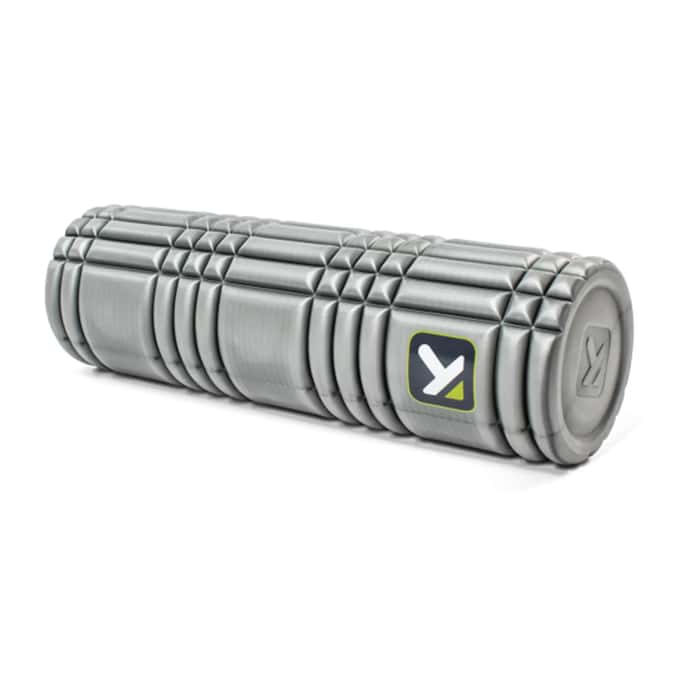 Trigger Point CORE 18″ Foam Roller
 Trigger Point MB5 Massage Ball
Passive Recovery
Rest is the name of the game with passive recovery, and while it can be mentally challenging for some to fully sink into it, it should not be passed over. If you’re feeling exhausted, sick, or are injured (even if it’s just something like a minor muscle tweak), turn to passive recovery. Take it from me: I dealt with some back issues, and it wasn’t until I gave myself full permission to skip workouts when I felt it acting up that I was able to recover. Even now, when I feel that tweak return, I remind myself that it’s not worth it to put stress on my body that’s only going to prolong the recovery process. Pairing passive recovery with active recovery throughout the week can help create a more balanced routine.
Benefits of Passive Recovery
A lot of the overall benefits are largely the same as with active recovery, but passive recovery takes it to an even more restorative level.
- Nervous system and emotional regulation: The parasympathetic state is not called “rest and digest” for nothing! It’s here that your body has the true opportunity to not only rest, but heal. This also applies to when you’re feeling overly stressed or emotional; that’s your body’s cue to take a pause.
- Recovery from illness: Your immune system can take a hit when you put your body through the stress of vigorous workouts. If you’re feeling sick or worn out, it’s important to fully rest.
- Injury prevention: If you get injured, you’re going to be forced to rest anyway, so as I explained with the example of my back, passive recovery actually helps prevent further injury. Give your body the time it needs to heal and recover. Active recovery should be avoided if your body is signaling that complete rest is needed.
Examples of Passive Recovery
The options for passive recovery are pretty straightforward, with rest and sleep being the main ones. But, there are a few other non-movement examples to consider:
- Sleep (don’t underestimate the power of a good night’s rest!)
- Getting a massage
- Icing injured and inflamed areas
- Taking a bath (bonus points if with Epsom salt)
- Elevating legs up the wall or on a chair
- Breathwork and meditation
Pro tip: Hydration is essential for recovery after exercise of all kinds. It helps with circulation, cellular function, muscle recovery, and electrolyte balance, as well as temperature and nervous system regulation. Get yourself a good water bottle to bring along with you, and don’t forget to hydrate daily!
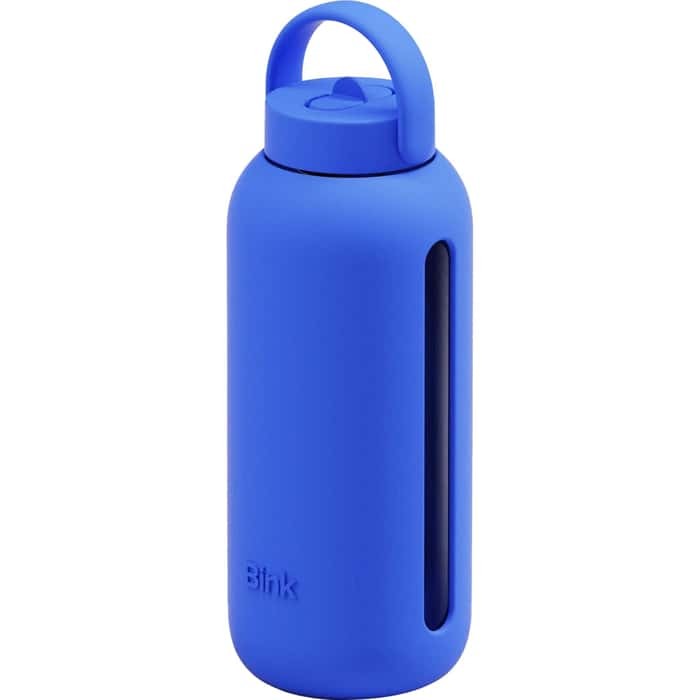 Bink Big Bottle – 36 oz
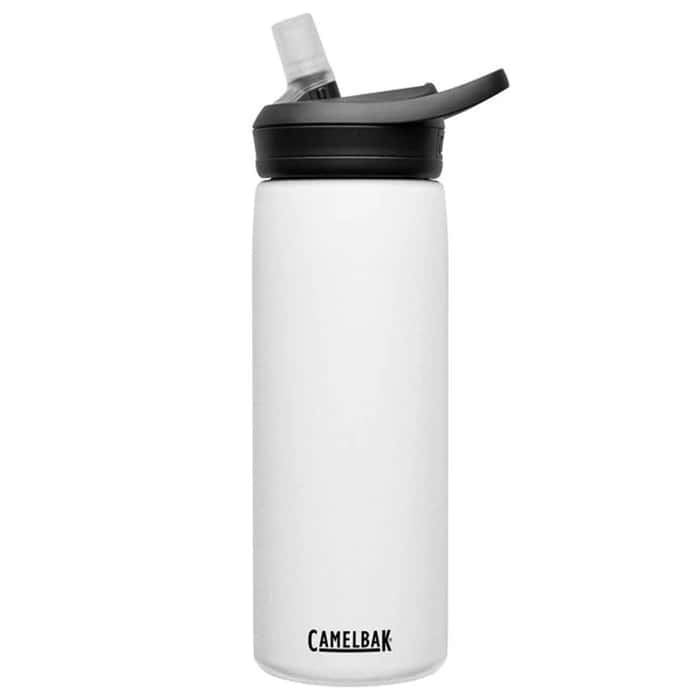 CamelBak Eddy 20 oz Insulated Stainless Steel Water Bottle
Shop All Water Bottles
CamelBak Eddy 20 oz Insulated Stainless Steel Water Bottle
Shop All Water Bottles
Breathwork
Breathwork refers to intentional breathing patterns or techniques that can elicit a whole range of responses in your body, with the end goal ideally being improved wellbeing. As with recovery activities, there are all sorts of breathwork practices, but they can be primarily categorized into either sympathetic breathwork or parasympathetic breathwork. In the interest of recovery, we’ll focus on parasympathetic breathwork, as sympathetic breathwork is very activating and stimulating. Parasympathetic breathwork, on the other hand, helps your body reach the calm state essential for proper recovery. It can also pair well with active recovery exercises like stretching or mobility work.
You can do breathwork really whenever you want (even taking a pause during your workday to perform five slow, conscious breaths counts), and you’ll reap the benefits. With exercise, I like it right after concluding a workout and during those active recovery or rest days. Some of the benefits of breathwork include:
- Reduced heart rate and muscle tension: Breathwork slows your heart rate and softens the places where you may be unconsciously tensing.
- Improved heart rate variability (HRV): HRV is the time between heartbeats. A high HRV typically indicates more nervous system resilience and adaptability, and therefore more capacity to recover.
- Efficient diaphragm function: Proper breathing involves breathing down into your ribs and expanding your diaphragm, rather than just breathing into your chest. Chest breathing is a shortened breath and can potentially lead to minor hyperventilation, which is obviously the opposite of a restful state.
Breathwork Techniques
No one breathing technique is better than another; it’s all about what works for you. Regardless of which exact practice you prefer, what you need to know is that longer exhales are what put you in a parasympathetic state. So when in doubt, just focus on slowing your exhales and you’re already doing something great for recovery. Also, if you can, always breathe in through your nose. Exhaling through the nose is ideal, too, though if sighing/exhaling through your mouth feels good, go for it!
Here are some specific techniques to play around with:
- Inhale for 4-5 seconds, exhale for 6-8 seconds
- Inhale for 4-5 seconds, hold breath for 6 seconds, exhale for 8 seconds
- The physiological sigh: This is a three-part technique in which you first inhale down into your diaphragm, then take a second, quicker inhale into your chest, then let it all out in a long, slow exhale.
Pro tip: Pair breathwork with other recovery activities, such as having your legs elevated against a wall or while stretching. There are no rules here, other than supporting your body in downregulating and recovering, so have fun with it! Active recovery and breathwork can work especially well together when you need a lighter recovery day.

One of the biggest challenges of rest and recovery days can often be the psychological component. When you’re set on a goal, going for a leisurely walk or doing something as passive as sitting on the couch can feel like you’re doing the opposite of what you should. But as you’ve hopefully learned by now, that’s not the truth. Allow yourself to have both active and passive recovery days, and you’ll actually be able to hit your goals quicker, more efficiently, and with a lower risk of injury.
/

About the Author, Sydney Fogel
Hi, I’m Sydney! I’m a writer and editor living in San Francisco. After attending college and kicking off my career in Boston, I made my way back to the Bay Area, where I grew up. When I’m not working, you can find me enjoying everything my beautiful area has to offer, from spending time at the beach (I live just a few blocks away!) to climbing those San Francisco hills to check out the latest restaurant. I’m also super into working out and have been dancing my entire life. Feel free to reach out at sfogel11@gmail.com